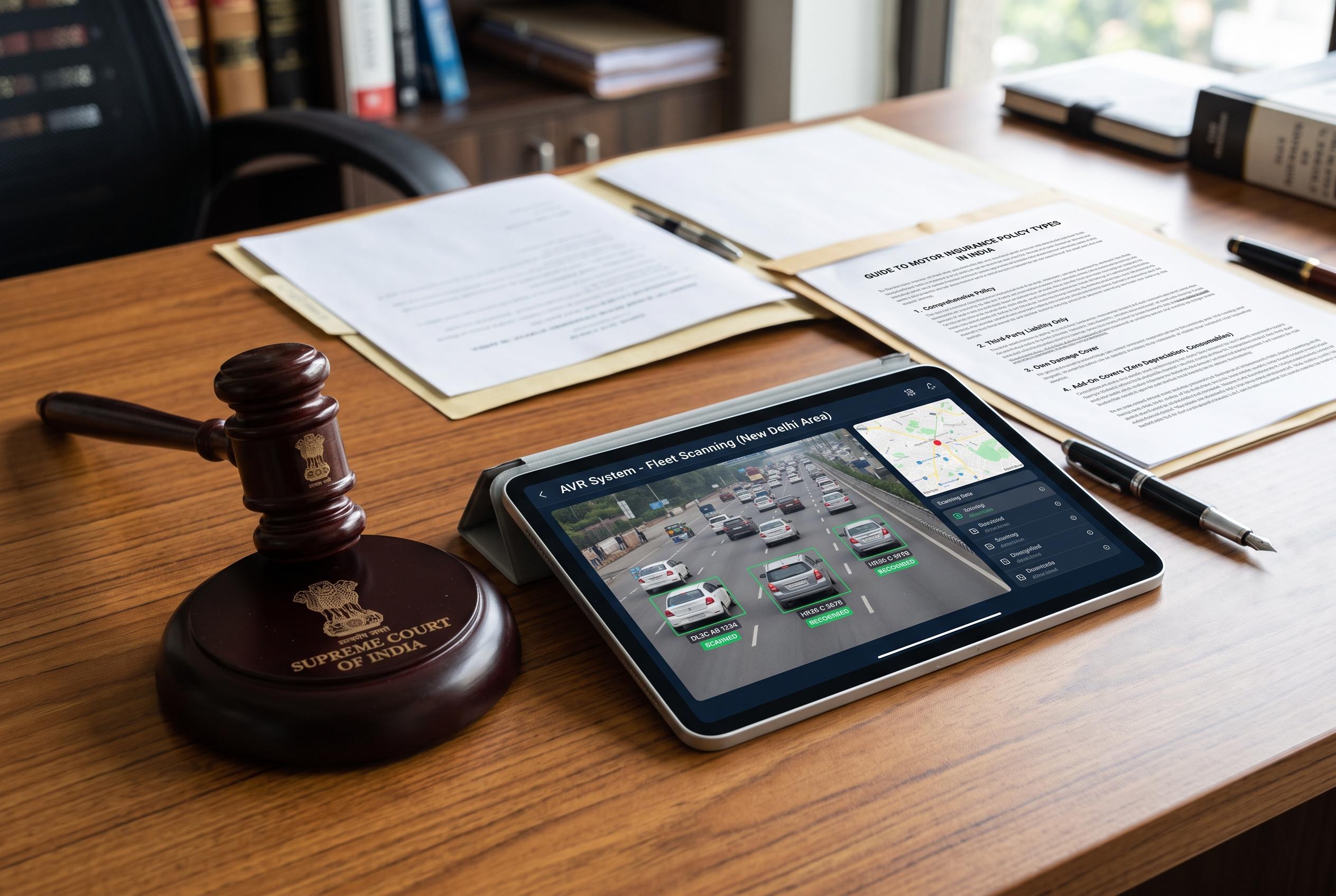

Amid rising concerns over uninsured vehicles, India’s Supreme Court calls for a crackdown on compliance through innovative use of technology, highlighting the importance of understanding different types of motor insurance policies.
For drivers in India, the difference between third-party, first-party and comprehensive motor insurance is more than a paperwork issue. Local18 reported that confusion over cover has returned to the spotlight after a recent Supreme Court direction on uninsured vehicles, making it more important for owners to know what their policy actually protects.
According to Local18, third-party insurance is the minimum cover required by law and mainly protects other people if your vehicle causes injury, death or property damage. It does not pay for damage to your own car, nor does it cover theft or fire losses to your vehicle. By contrast, first-party cover is aimed at the owner’s own losses, including accident damage and theft, while also providing benefits in some fatal accident cases, depending on the policy terms.
Local18 said comprehensive insurance combines third-party and own-damage protection, which is why it is generally regarded as the broadest option. It can also include add-ons such as zero depreciation cover, engine protection and tyre cover, although these extras vary by insurer and policy wording. In practical terms, that can reduce a driver’s out-of-pocket expense after a crash or other insured event.
The legal risk of driving without insurance is also significant. Industry guides from SMC Insurance, Zurich Kotak and legal resources on the Motor Vehicles Act say penalties can include a fine of ₹2,000 for a first offence, ₹4,000 for repeat offences and up to 3 months in jail. They also note that traffic police may issue challans, detain vehicles and in some cases trigger criminal action, while uninsured drivers can face full compensation liability after an accident.
Local18 added that the Supreme Court has asked the Centre, the road transport ministry and the Insurance Regulatory and Development Authority of India to explore a pilot project that would prevent fuel sales to vehicles without valid third-party cover. The court has also suggested using automatic number plate recognition cameras to identify such vehicles more easily, a move intended to push more owners into renewing cover on time.
Disclaimer: This article is intended to inform and educate, not to recommend or endorse any financial product, investment or strategy. Please consider your own financial circumstances and seek professional advice where appropriate before making financial decisions.