

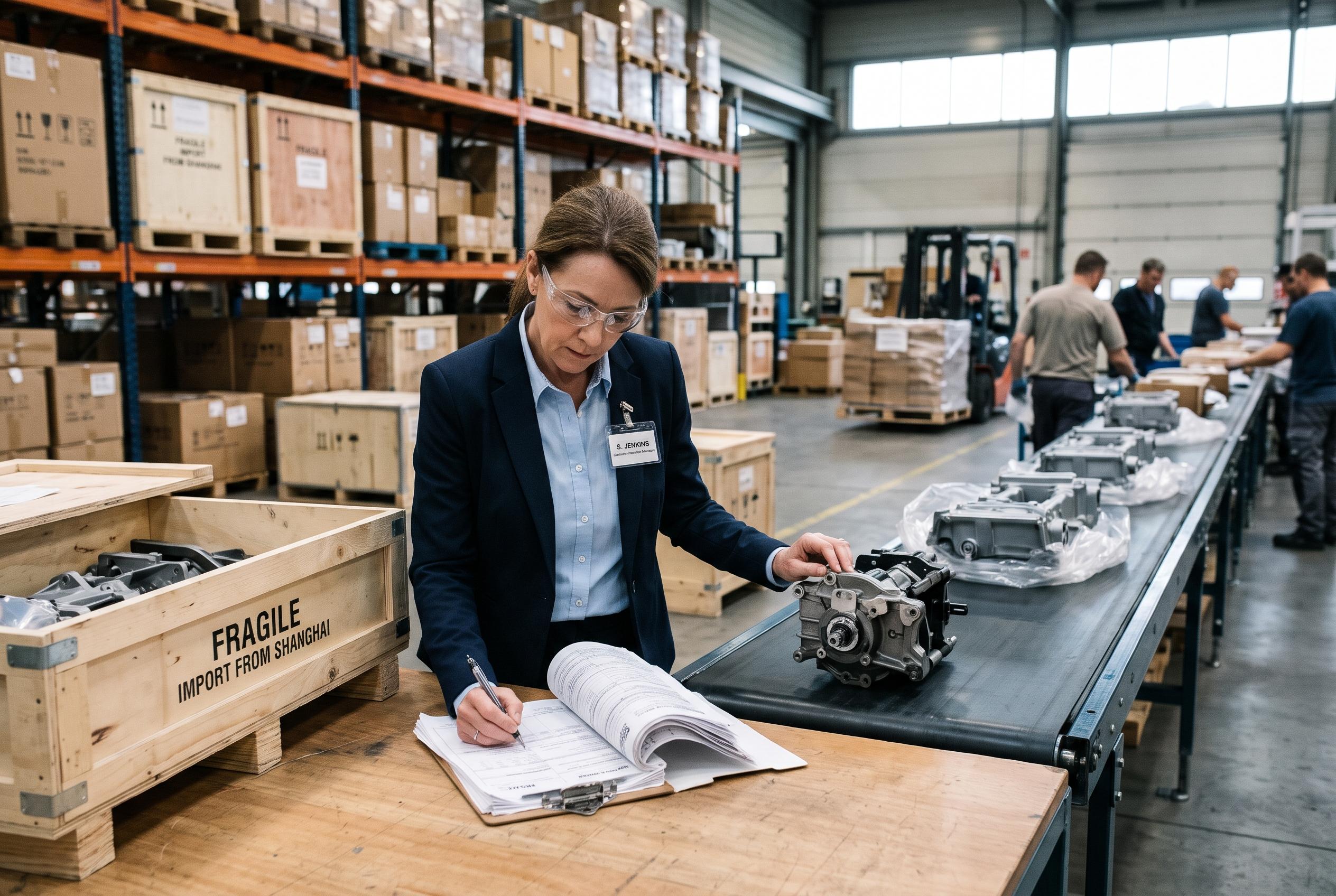

A reading of India’s export rules suggests specialist processing abroad may be approved when goods return for further manufacture, although re-imported items can still face customs duty.
Indian exporters using Advance Authorisation may have more flexibility than is sometimes assumed when specialist processing has to be carried out overseas. Business Standard’s analysis says Paragraph 4.33 of the Handbook of Procedures does not expressly confine endorsement to Indian supporting manufacturers or domestic job workers, opening the way for exporters to seek approval for an overseas processor if the goods are later brought back to India for further manufacture and eventual export.
That reading matters because the Advance Authorisation regime is built around duty-free access to imported inputs, but only on strict conditions. Notification No. 21/2023-Customs, issued on April 1, 2023, grants a full customs duty exemption for eligible imports made under a valid authorisation, provided the document is presented at clearance and the goods match the description, specifications and export-obligation terms set out in the authorisation. The notification also ties the concession to use of the goods in the factory of the importer or a supporting manufacturer, which is why some businesses have treated overseas job work as a grey area rather than a settled exception.
The practical position, however, appears to be less restrictive than that reading suggests. According to the Business Standard column, the proviso to condition (xii) of the customs notification allows imported materials to be transferred for job work, so long as the relevant goods and services tax conditions are met. The article argues that nothing in those provisions expressly bans overseas processing, provided exporters maintain the required job-work challan records, keep proper books, file the necessary reports and clearly state in the shipping bill that the goods are being sent out temporarily for processing before return to India.
The duty treatment on the way back in also needs careful handling. The processed goods, once re-imported, would still be subject to customs duty under Section 20 of the Customs Act, 1962, unless a separate exemption applies. In other words, the original duty-free import does not automatically carry over to the re-import leg. The analysis further says the foreign processor’s invoice should not attract integrated GST under reverse charge, because where the specialised work is performed entirely outside India on goods already placed with the overseas job worker, the place of supply falls outside India under Section 13(3)(a) of the IGST Act, 2017.
Disclaimer: This article is intended to inform and educate, not to recommend or endorse any financial product, investment or strategy. Please consider your own financial circumstances and seek professional advice where appropriate before making financial decisions.



