

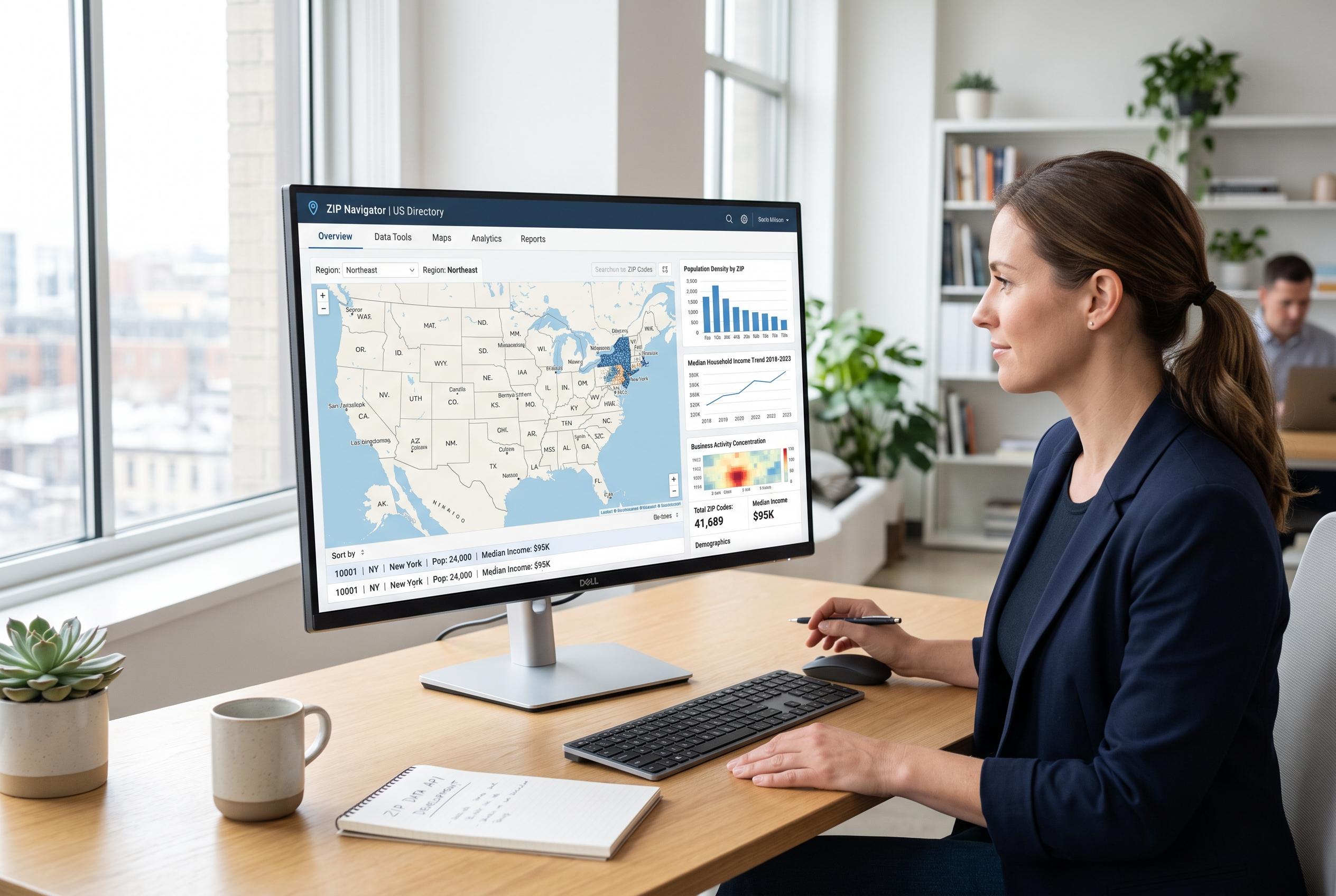

A practical yet often overlooked aspect of online search, ZIP code lookup tools have transformed from simple mailing references into comprehensive resources supporting geolocation, analytics, and address verification for a broad audience.
A page on SCNow is drawing attention to a practical but often overlooked corner of online search: ZIP code look-ups by state and territory. The directory-style page lists all 50 states, Washington, D.C., Puerto Rico, US Virgin Islands, military postal regions and several Pacific territories, giving readers a quick way to drill down from a broad geographic area to a specific postal code.
That kind of reference tool remains useful because ZIP codes are still the backbone of US mailing addresses, even in an era of smartphones, mapping apps and instant search. The US Postal Service has used ZIP codes since 1963, and the familiar five-digit format can be extended with ZIP+4 to narrow a location further. Several specialist directories now build on that system with maps, county and city data, time zones and area codes, reflecting a wider demand for structured location data rather than simple postal look-up alone.
The broader market for ZIP code directories has become increasingly data-rich. ZipDataPortal says its state pages are updated regularly and draw on Census and housing data, while ZipGridUSA promotes a 2026 database with more than 42,000 verified records. Other services, including ZipCodesToGo and ZipCode.org, offer search tools, downloads and API access, underlining how a once-basic mailing reference has evolved into a resource for developers, businesses and anyone trying to match addresses to places with more precision.
Disclaimer: This article is intended to inform and educate, not to recommend or endorse any financial product, investment or strategy. Please consider your own financial circumstances and seek professional advice where appropriate before making financial decisions.



