

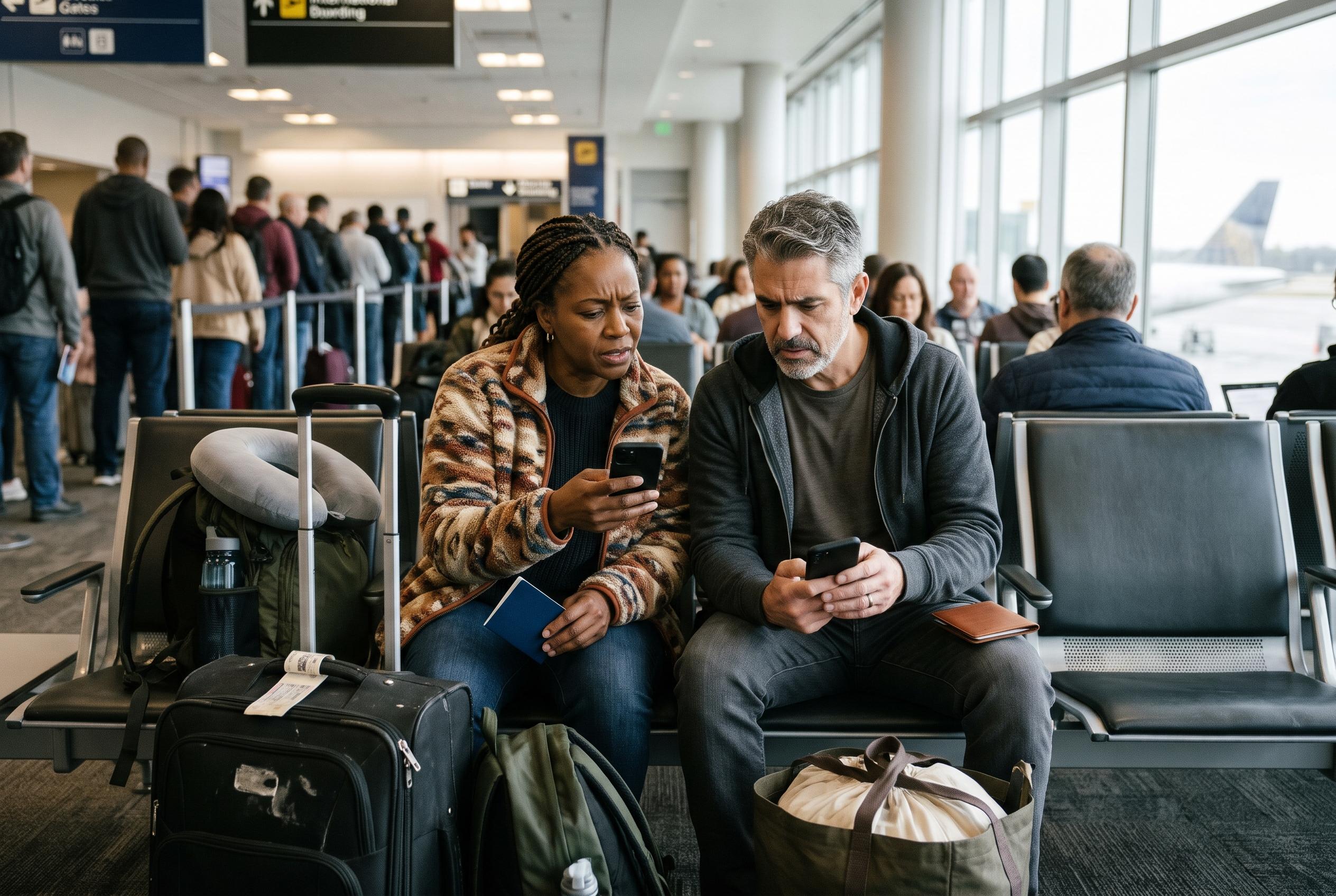

Medical treatment, missed connections, lost passports and emergency communications can rapidly push the cost of an overseas trip far beyond its advertised price.
Travelling overseas can be far more expensive than the flight, hotel and restaurant bill suggest. A single medical setback, a missed connection or a lost passport can quickly turn a well-planned trip into a scramble for cash, which is why travel medical insurance and a flexible emergency reserve matter so much. Industry guidance from NerdWallet, Progressive, LegalClarity, Kiplinger and other insurance explainers consistently points to the same basic truth: many travellers underestimate how quickly costs can mount once something goes wrong abroad.
Medical problems are usually the biggest financial risk. A doctor’s visit, diagnostic tests, prescription medicines, hospital care and even emergency evacuation can all fall outside the budget for a normal holiday, and several advisers note that domestic health plans often provide little or no protection outside the United States. Kiplinger and LegalClarity both say that overseas treatment can become especially costly when specialist care, ambulance transport or repatriation is involved, while Progressive and NerdWallet explain that travel medical policies are designed to cover sudden illness or injury, with some plans also including evacuation benefits.
Disrupted baggage and transport plans can create a second wave of expenses. Allstate says travel insurance commonly addresses baggage delay, trip interruption and missed connections, but travellers may still have to pay first for essentials such as clothing, toiletries or replacement medication while they wait for claims to be processed. The same is true when a flight is delayed or cancelled, or when a passenger misses a rail or air connection and must buy a new ticket, food or a hotel night at short notice.
Documents can be costly to replace as well. The National Herald’s advertorial notes that losing a passport abroad may mean paying for photographs, printing, communications and local transport, as well as losing time while visiting an embassy or consulate. It also highlights the expense of extending a trip unexpectedly or cutting it short, with extra accommodation, revised fares and transfer costs all adding to the bill. That is one reason travellers are often advised to keep digital copies of key documents and enough accessible cash or card funds to handle emergencies quickly.
Smaller costs can also add up once a traveller is on the move. Local taxis, ride-hailing services, airport transfers and last-minute route changes can push up day-to-day spending, particularly when plans shift after dark or in unfamiliar cities. Communication expenses deserve the same attention: roaming charges, local SIM cards, eSIM activation and extra data for urgent calls can all become surprisingly expensive, especially on longer trips. As the National Herald piece argues, the safest approach is to assume that overseas travel may involve more than the visible itinerary and to budget for the unplanned as carefully as for the holiday itself.
Disclaimer: This article is intended to inform and educate, not to recommend or endorse any financial product, investment or strategy. Please consider your own financial circumstances and seek professional advice where appropriate before making financial decisions.



