

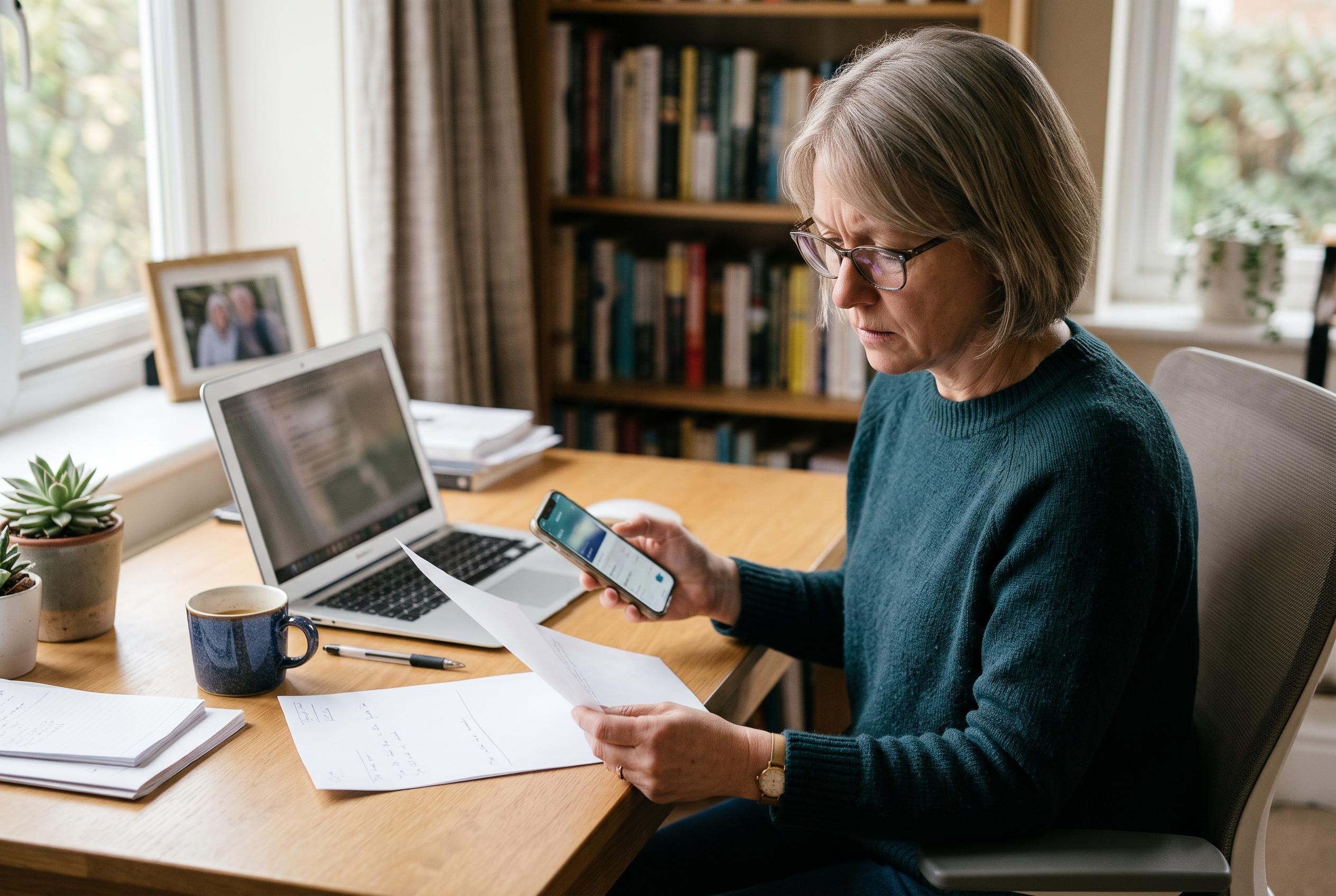

Unexpected calls or messages urging you to move money or share a verification code are classic fraud red flags. Here is how to verify genuine concerns without putting your savings at risk.
Unexpected calls and texts warning that your savings or investments are at risk can trigger a rush of panic. That is exactly the reaction scammers want. The Michigan Financial blog warns that fraudsters often pose as banks, brokerages or even government bodies, then pressure people to move money to a so-called safe account or to hand over a verification code. The Federal Trade Commission has made the same point: if someone tells you to move your money to protect it, you are likely dealing with a scam.
These schemes work because they sound urgent and specific. A message may mention suspicious activity, a frozen account or an imminent loss, which can make it feel credible at first glance. But the real danger lies in the instruction that follows. According to the Securities and Exchange Commission, phishing, smishing and vishing scams often rely on unsolicited contact, generic claims of trouble and pressure to act quickly. The Consumer Financial Protection Bureau likewise says that speed and fear are classic warning signs of fraud.
One of the clearest red flags is being told to transfer cash into a “safe” account. The FTC says scammers frequently pretend to be bank staff or government officials and direct victims to withdraw funds, buy gift cards or move money into accounts that the fraudster controls. Another warning sign is a request for a login verification code. If someone who contacted you unexpectedly asks you to read that code aloud, they may be trying to break into your account rather than protect it.
A third tactic is to create a sense that there is no time to think. The SEC’s investor alerts on account fraud and investment scams say pressure to act immediately is a common feature of fraudulent pitches. Scammers may insist that your account will be locked, your funds will disappear or you will miss your chance to stop a loss. In reality, urgency is usually a reason to stop, not a reason to comply. The safest response is to end the call or delete the message, then reach out through a phone number or website you already trust.
The same caution applies to brokerage and retirement accounts. The Michigan Financial article notes that scammers do not limit themselves to checking accounts; they also target investment and retirement savings, where losses can be especially damaging. The SEC advises investors to verify any concern by contacting the firm directly, using independently sourced contact details rather than anything supplied in the message. It also recommends enabling multi-factor authentication, deleting suspicious messages and being wary of attachments and links.
If you have already shared information or sent money, speed still matters. The blog advises contacting your bank, brokerage firm or financial adviser at once, asking whether a transfer can be stopped and reporting the incident to the FTC, the FBI’s Internet Crime Complaint Centre, your state attorney general or local law enforcement. The broader message from the SEC and CFPB is straightforward: slow down, verify independently and never let an unexpected warning push you into moving money on someone else’s say-so.
Disclaimer: This article is intended to inform and educate, not to recommend or endorse any financial product, investment or strategy. Please consider your own financial circumstances and seek professional advice where appropriate before making financial decisions.



