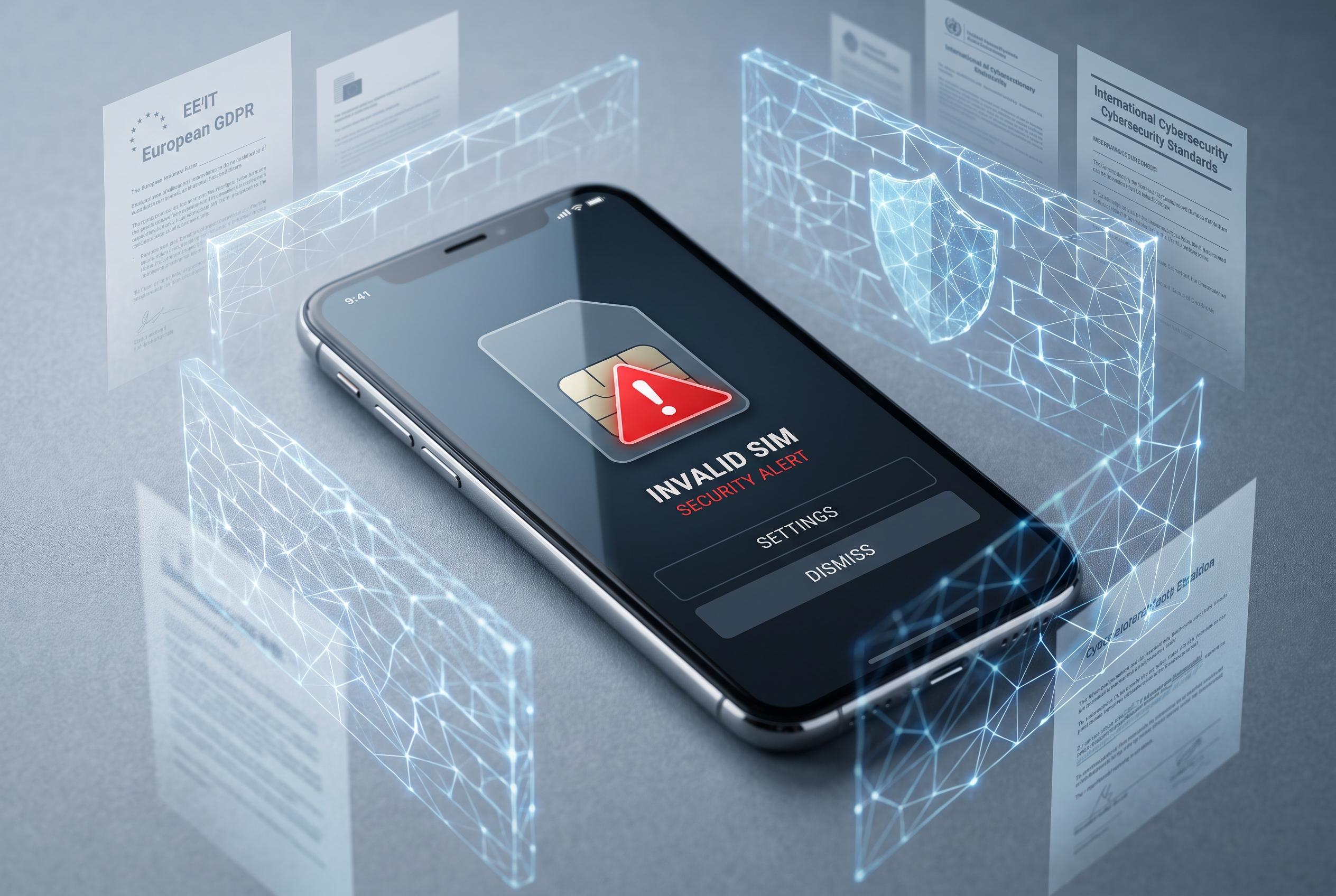

As criminals exploit weaker authentication measures through SIM swapping, regulators introduce stricter rules to combat the rising tide of account takeovers, highlighting the need for stronger protection against this stealthy threat.
SIM swapping is a form of account takeover that does not require criminals to break into a phone. Instead, they target the mobile operator and persuade it to transfer a victim’s number to a SIM card they control. Security firms including Proofpoint and Kaspersky say that once the number is moved, calls and texts begin arriving on the attacker’s handset, including one-time codes used for login and password resets.
The method usually starts with personal data gathered from breach dumps, phishing or public social media profiles. According to Proofpoint, fraudsters often use that information to pass identity checks with customer service staff or to exploit weak self-service systems. LegalClarity says attackers may also rely on details such as a full name, date of birth, address and, in some cases, the last four digits of a Social Security number to make the impersonation more convincing.
The danger is not limited to a missed call or an inaccessible inbox. Check Point and Kaspersky both warn that once a phone number is under criminal control, the victim can be locked out of email, banking, social media and cloud accounts that still depend on SMS-based authentication. That can allow thieves to drain bank balances, steal cryptocurrency or reset passwords across connected services.
The growing problem has prompted regulators to act. LegalClarity says the Federal Communications Commission has introduced new rules aimed at reducing SIM swap fraud, reflecting wider concern that text-message verification remains too easy for criminals to hijack. Cybersecurity specialists generally advise users to add carrier-level account protections, avoid using SMS as the only form of two-factor authentication and limit the personal information they expose online.
Disclaimer: This article is intended to inform and educate, not to recommend or endorse any financial product, investment or strategy. Please consider your own financial circumstances and seek professional advice where appropriate before making financial decisions.