
India’s Supreme Court has warned airlines over rising airfares and non-compliance, urging the government to expedite new regulations aimed at protecting passengers during peak travel periods.
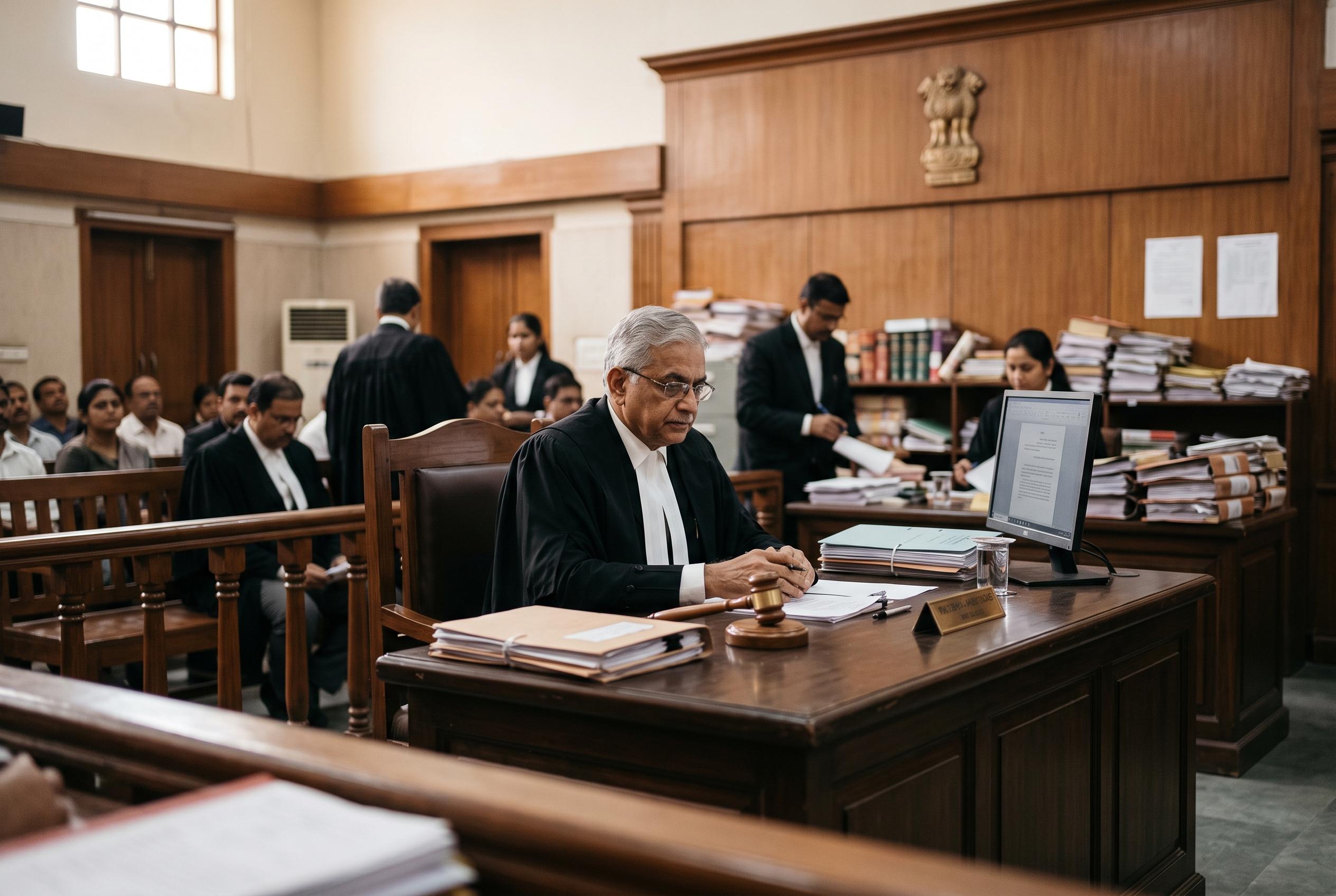
The Supreme Court of India has taken a firm line on soaring airfares, warning that airlines may face serious consequences if they do not follow passenger-protection rules as the government prepares a new regulatory framework. A bench led by Justices Vikram Nath and Sandeep Mehta said fare-setting must not be left entirely to airline discretion, especially during festivals and holiday periods when prices can jump sharply. Reuters-style reporting on the hearing said the court also indicated that persistent non-compliance could invite measures as severe as grounding flights.
The issue before the court goes beyond the headline ticket price. The petition argues that private carriers are increasingly using dynamic pricing to push fares up when demand rises, leaving travellers with little choice but to pay inflated amounts at busy times. It also challenges a range of additional charges, including fees for seat selection and extra baggage, with the petitioner, social activist S. Lakshminarayanan, saying transparency and clearer oversight are needed so passengers know the full cost before they buy.
According to reports by LiveMint, NDTV, the Indian Express and Bar and Bench, the Centre told the court that draft rules to regulate airfares under the Bharatiya Vayuyan Adhiniyam, 2024, are ready and will be placed before Parliament. The government sought additional time to finalise the framework, while the court pressed for the rules to be filed promptly, reflecting its concern that unchecked fare swings and ancillary charges may amount to exploitation. The matter is due to return to court once the draft rules are placed on record.
For travellers, the case could become a significant test of how far the state is willing to go in policing airline pricing. If the new rules impose clearer limits on fares and mandatory disclosure of extra charges, passengers may gain some protection during peak travel periods. The exact shape of any cap, fee structure or penalty regime will depend on the final rules the government brings forward and how the court responds when the case next comes up.
Disclaimer: This article is intended to inform and educate, not to recommend or endorse any financial product, investment or strategy. Please consider your own financial circumstances and seek professional advice where appropriate before making financial decisions.