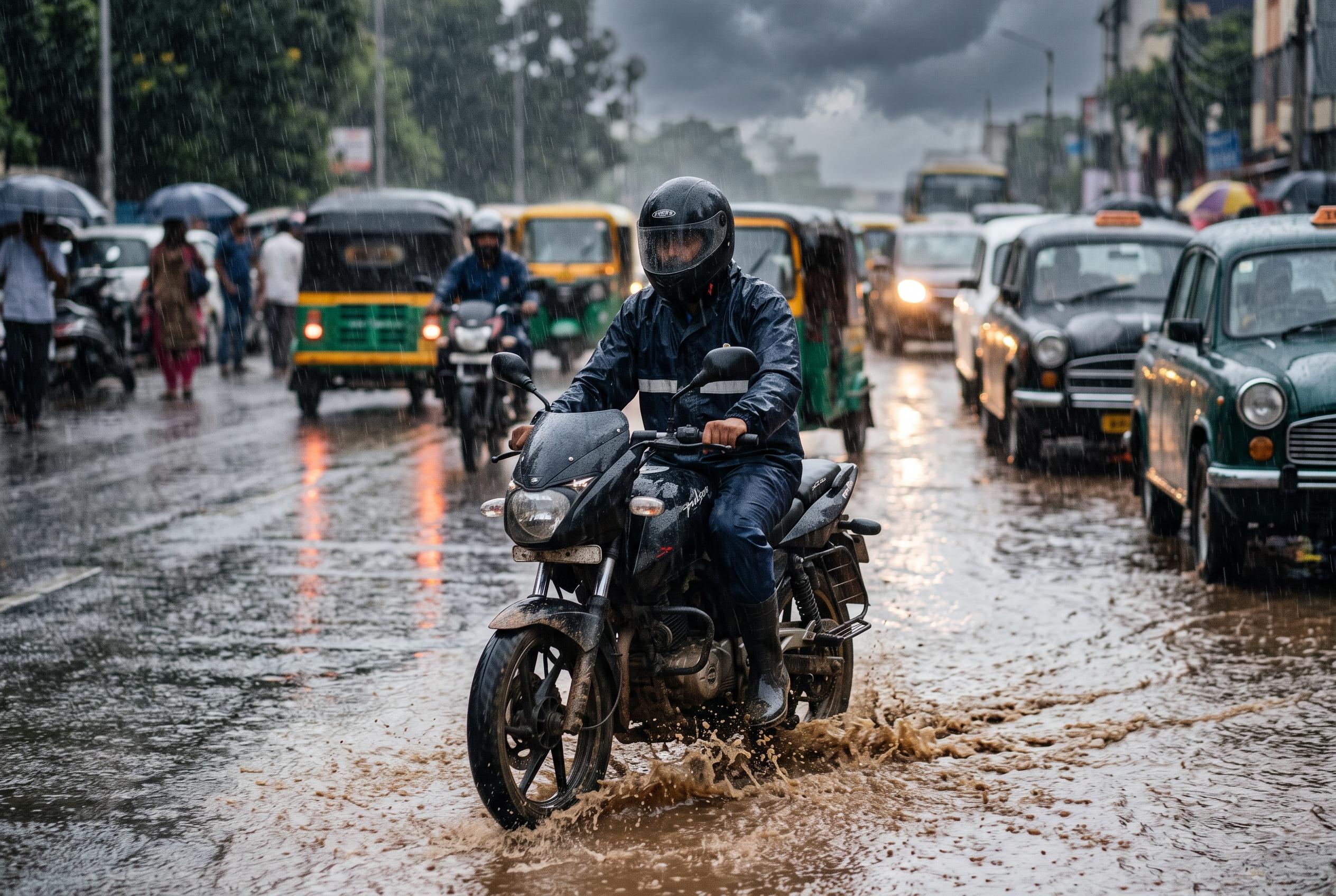

A new survey reveals that platform workers across India are increasingly exposed to extreme weather, road accidents, and poor insurance protections, with little support from their employers amid growing regulatory scrutiny.
Platform workers in India face significant day-to-day safety risks while remaining poorly covered by insurance and support systems, according to a new survey published by the labour rights organisation Janpahal and the Gig Workers Association. The report, released in September 2026, surveyed 1,000 workers across 10 Indian cities and found that the burden of managing workplace risk still falls largely on individuals rather than the platforms that organise their jobs.
Extreme weather was one of the clearest hazards. Among the 778 respondents who said they worked in hot conditions, 96.57% said heat affected their ability to work, while 75.5% reported a moderate-to-severe hit to both productivity and safety. Workers described heat-related problems ranging from exhaustion and dehydration to severe overheating.
Insurance coverage was limited. The survey found that 62.2% of workers did not have health insurance and 44.2% lacked accident cover. Business Standard reported that 59.3% had received no safety training from their platforms, while half were not registered on the e-Shram portal, which can affect access to social security benefits. The report also said that among workers who had tried to file accident claims, more than four-fifths found the process difficult.
Road travel emerged as another major source of danger. Of those who reported safety incidents, 62.2% had experienced a near miss with a vehicle, 38% said they had been injured because of road conditions and 27.5% reported traffic accidents. The findings add to growing scrutiny of how India’s gig economy treats workers who are increasingly recognised under the Code on Social Security, 2020, yet still appear to be missing out on basic protections such as health and accident insurance.
Disclaimer: This article is intended to inform and educate, not to recommend or endorse any financial product, investment or strategy. Please consider your own financial circumstances and seek professional advice where appropriate before making financial decisions.