

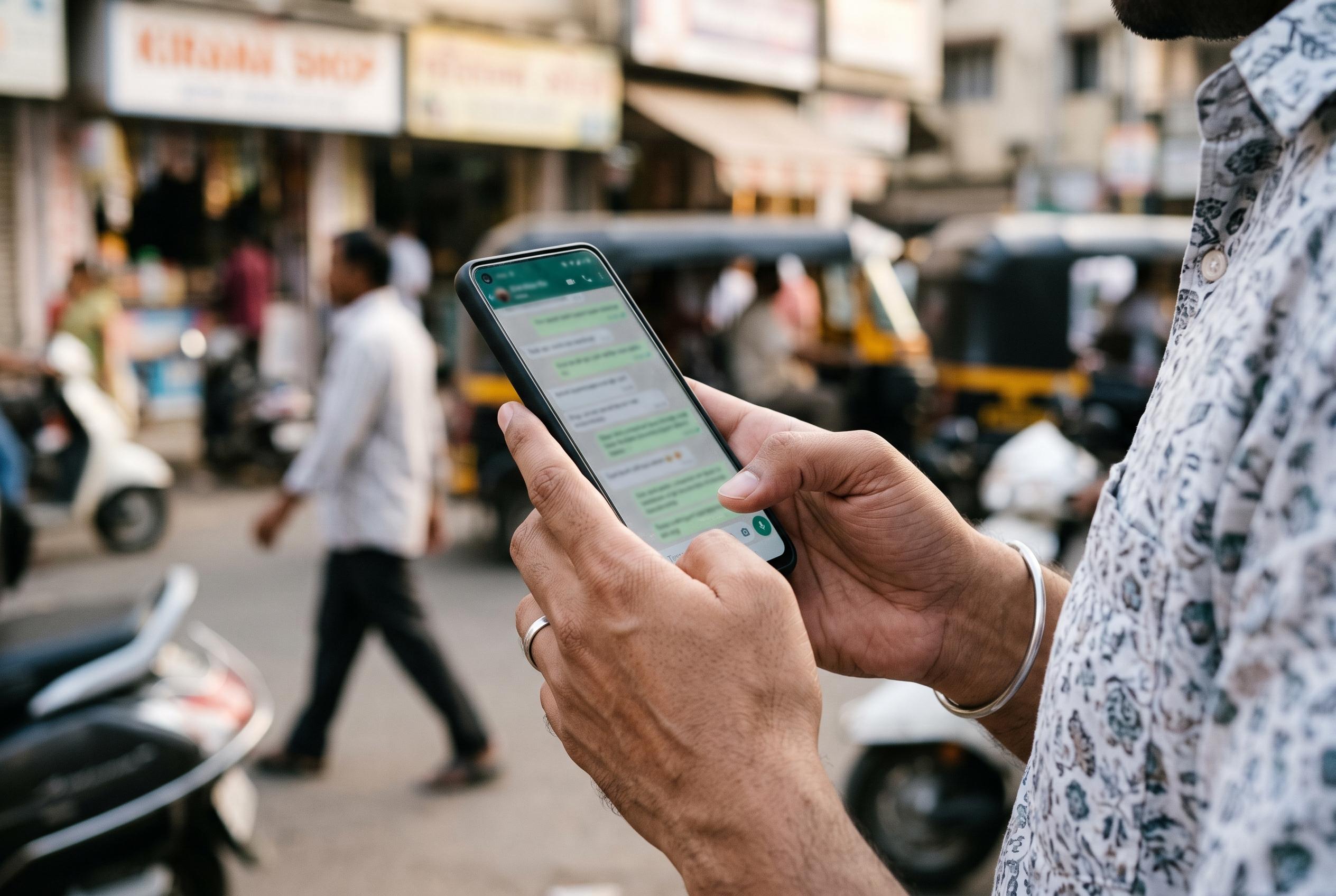

WhatsApp, Telegram and Signal face new authentication rules requiring accounts linked to Indian mobile numbers to remain tied to an active SIM card.
India’s telecom regulator has ordered major messaging platforms to tighten how they authenticate users, setting a January 1, 2027 deadline for compliance with SIM-binding rules that could alter the way millions of people log in to apps such as WhatsApp, Telegram and Signal. The Department of Telecommunications says the change is meant to reduce fraud and make it harder for criminals to exploit accounts tied to Indian mobile numbers.
According to the department’s directive, first issued on November 28, 2025 under the Telecom Cyber Security Rules, 2024, the affected services must link access to the active SIM card associated with a user’s registered Indian number. The order was made public by the government on December 1, 2025, and the deadline was later pushed back from the original 90-day timetable to December 31, 2026 after industry requests for more time.
The rules originally named WhatsApp, Telegram, Snapchat, Arattai, ShareChat, Josh, JioChat and Signal, and apply to app-based communication services that use an Indian mobile number to identify users. In practice, the new system would mean an app should stop working on a device if the relevant SIM is removed or no longer active, with additional checks also required when a card is changed.
The government has framed the move as a response to rising cybercrime, including digital-arrest scams, impersonation, phishing, investment fraud and loan-related fraud. In its December 2025 release, the Department of Telecommunications said cyber-fraud losses in India exceeded Rs. 22,800 crore in 2024, arguing that SIM-linked verification already used by banks and UPI platforms offers a model for stronger account security.
The shift could be particularly disruptive for people who change phones frequently, travel often, use multiple devices or switch SIM cards regularly. It also raises familiar questions about convenience and privacy, especially for users who expect to keep messaging accounts open even when the registered phone number is not sitting inside the device.
WhatsApp has reportedly already begun preparing India-specific changes to align with the new requirements, according to a feature tracker cited in the reporting. That tracker says the app will warn users that it needs to confirm the SIM card is present in the handset in order to satisfy regulatory obligations. The government has also softened one earlier proposal for web and desktop versions, moving away from a blanket six-hour logout rule in favour of a risk-based approach.
Disclaimer: This article is intended to inform and educate, not to recommend or endorse any financial product, investment or strategy. Please consider your own financial circumstances and seek professional advice where appropriate before making financial decisions.



