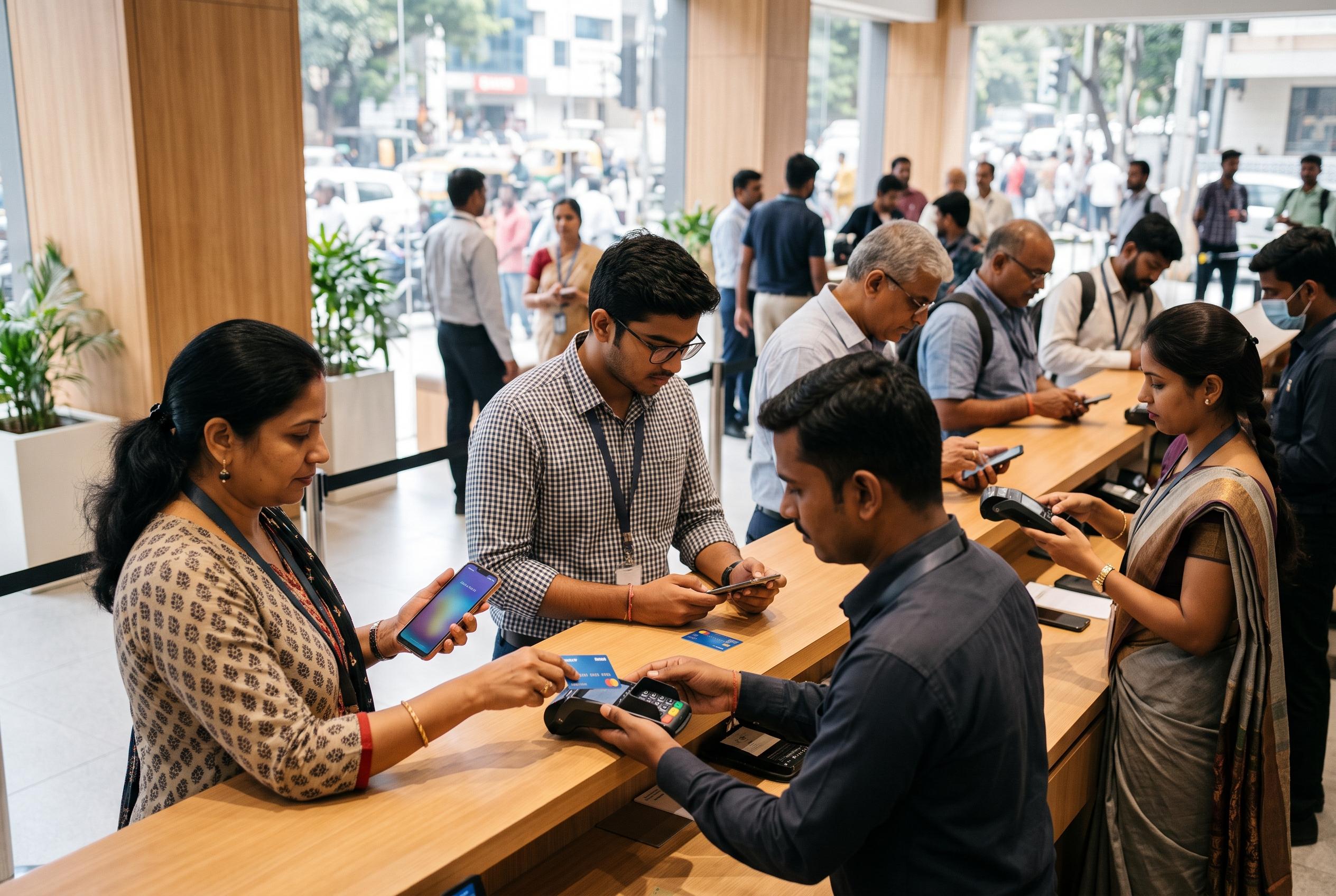

The Indian government has formalised a ban on fees for UPI transactions up to Rs 2,000 and RuPay debit card payments, aiming to balance digital payment growth with sustainable funding needs amid ongoing industry debates.
India’s government has told banks and payment providers not to levy any charge on Unified Payments Interface transactions of up to Rs 2,000 or on payments made with RuPay debit cards, according to a gazette notification issued on September 14. The move formalises a ban on fees for these small-value digital payments and comes amid renewed debate over how the country’s fast-growing payments network should be funded.
The notification, issued under an amendment to section 10A of the Payment and Settlement Systems Act, 2007, says no bank or system provider may impose a charge, directly or indirectly, on a person making or receiving payment through the specified modes. Reports in Livemint, The Economic Times and other Indian media said the government had not yet clarified whether any charge could apply to UPI transactions above Rs 2,000, which merchants would typically bear if a merchant discount rate were introduced.
Until now, UPI transactions had carried no charge regardless of size. The latest step follows a legislative change passed during Parliament’s Monsoon Session, which ended on August 13, 2026, and gives the government a formal framework for any future merchant discount rate on UPI and other notified electronic payment systems.
In a statement, the government argued that the payments system needs continuous investment in cyber security, fraud prevention and infrastructure as transaction volumes surge. It also said a self-sustaining revenue model is needed to encourage competition and long-term expansion, while keeping UPI inclusive and resilient.
Disclaimer: This article is intended to inform and educate, not to recommend or endorse any financial product, investment or strategy. Please consider your own financial circumstances and seek professional advice where appropriate before making financial decisions.