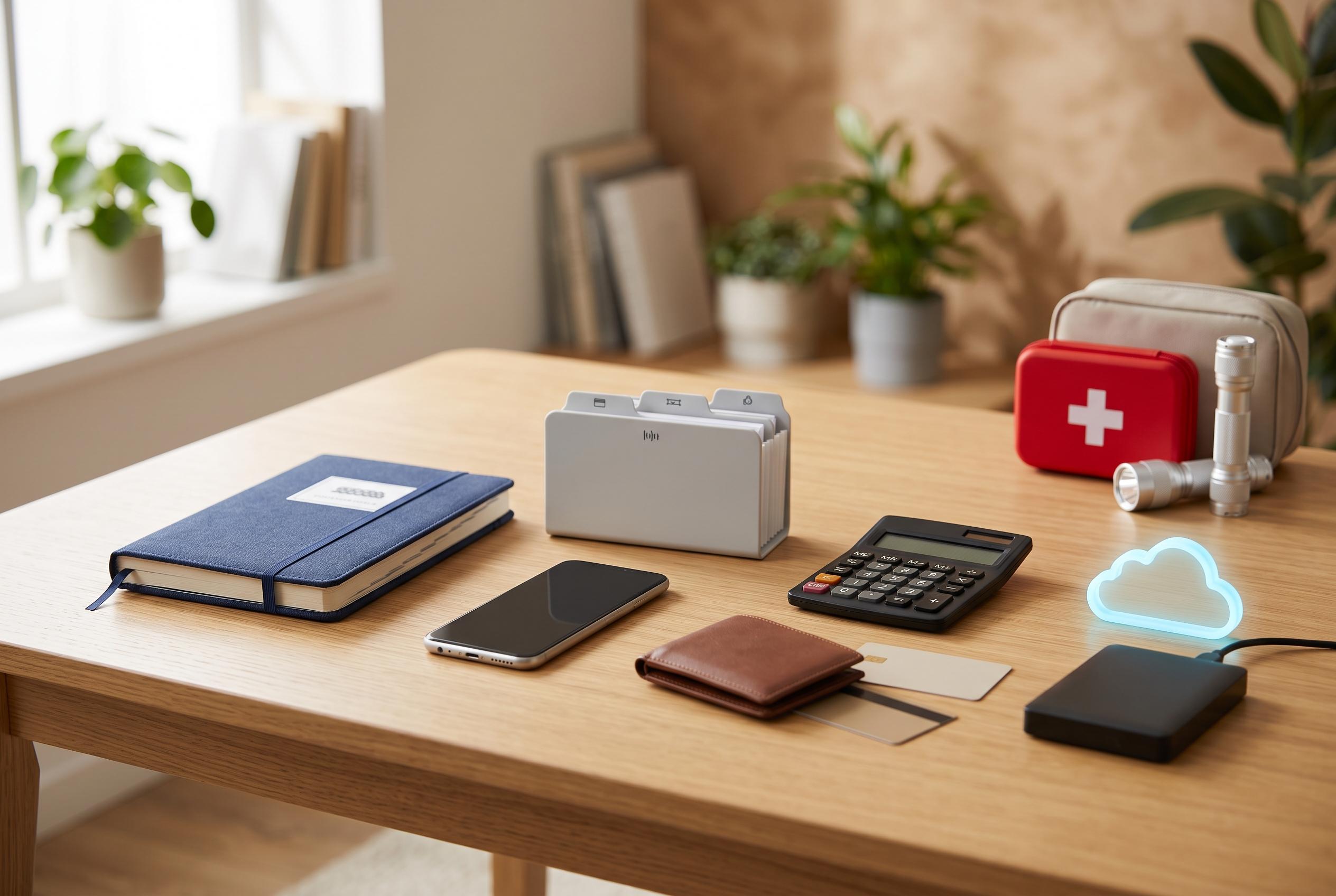

Preparing and organising insurance records in both physical and digital formats is essential for swift action during emergencies, ensuring households can claim and recover efficiently after disasters.
Keeping insurance information ready for an emergency is less about filing and more about speed. When a fire, flood, theft or evacuation disrupts normal routines, a household needs to be able to identify each policy, reach the insurer, start a claim and prove what was covered without hunting through piles of papers. The most useful record set includes the insurer’s name, policy number, claims and customer-service numbers, website, agent details, renewal date, deductibles, limits and any important exclusions. A declarations page helps, but it rarely answers every question that arises in a crisis. According to guidance from preparedness groups and insurers, that basic pack should also extend to health, motor, home, renters, life and disability cover where relevant. The CDC likewise recommends keeping essential paperwork, including insurance cards and personal identification, in a form that can be reached quickly during an evacuation.
Property evidence deserves its own place in the file. Dated photographs, video, receipts, serial numbers, appraisals and warranties can be decisive when a claim is being assessed, especially if possessions were scattered or destroyed. Salt & Prepper advises building a home inventory that links items to rooms and approximate value, which is often more practical than a box full of unlabelled receipts. For renters, that record is still important even if the building itself is insured by the landlord. The key distinction is between proof that a policy exists and proof of what was lost. An insurance card may show coverage, but it will not establish the contents of a damaged home or vehicle.
A reliable emergency system should exist in both paper and digital form. PG&E says important documents should be gathered and protected in advance, while Allstate recommends making copies or scans and keeping them separate from the originals. Paper still matters when phones are broken, batteries fail or the internet is down. Digital copies are easier to search, update and share with an authorised person. The stronger approach is a small paper packet in a waterproof, and where possible fire-resistant, container, plus a secure electronic archive stored separately. Navy Mutual suggests keeping originals in one safe place and using password-protected digital files and accessible hard copies for quick review.
Households also need to decide what should be immediately available and what should be kept behind stronger protections. A basic contact sheet may be enough for a first call, while a fuller file can hold policy terms, medical details and identity information. That separation matters because insurance files often contain addresses, birth dates, vehicle identifiers and other sensitive data. If a backup contact is involved, it should be someone trusted, geographically separate and able to protect confidentiality. Access should be reviewed after a move, a phone change, a relationship change or any major household shift. A file that cannot be opened by another adult in the home is not much use in a disaster.
Keeping the information current matters just as much as storing it. A new address, a vehicle replacement, a room addition, a major purchase, a marriage, a divorce, a birth or a change in health needs can all affect what belongs in the emergency packet. The safest habit is to review the file at renewal and also after any material change. Questions about flood cover, sewer backup, detached structures or temporary accommodation should be checked against the policy itself, not assumed from the policy name. For home inventories, a yearly room-by-room video and regular updates for big purchases help prevent gaps that can slow down a claim later.
After a disaster, the record set should support a sequence of actions: get to safety, preserve evidence when it is safe to do so, notify the insurer and document costs. Keep receipts for temporary lodging, meals, transport, emergency repairs and replacement essentials, and note the date, purpose and payment method. When reporting a claim, have the policy number, loss location, date, approximate time, description of damage and a callback number ready. Ask for the claim number, adjuster contact details, document-submission method and deadlines. One common mistake is assuming the insurer will assemble the entire inventory. Another is making permanent repairs too soon. Photograph the damage first and keep removed materials when it is safe, then confirm how the insurer wants you to proceed.
In the end, the best emergency insurance file is simple enough to use under pressure and secure enough to protect personal information. It should be duplicated, checked twice a year and easy for an authorised person to find even if the main household member is unavailable. That means maintaining current policy details, keeping evidence of property in order and avoiding a single point of failure in either a phone or a cloud account. As the underlying guidance from preparedness organisations makes clear, the goal is not perfect filing. It is making sure the right information can be reached quickly when everything else has gone wrong.
Disclaimer: This article is intended to inform and educate, not to recommend or endorse any financial product, investment or strategy. Please consider your own financial circumstances and seek professional advice where appropriate before making financial decisions.