

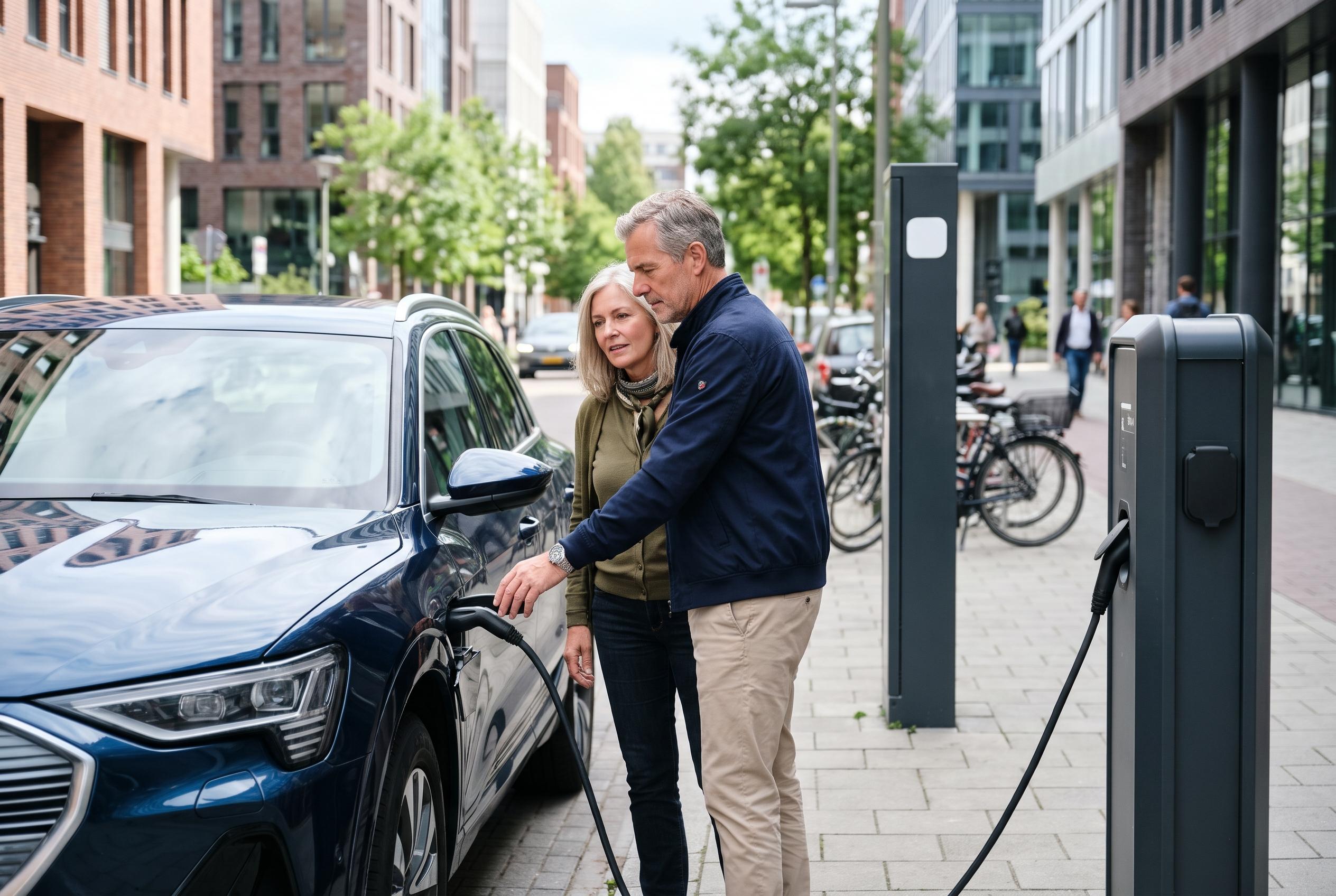

HDFC Bank’s Flexi Electric Car Loan separates repayments for an electric car’s body and battery, allowing buyers to spread battery costs over a longer term and reduce monthly instalments.
HDFC Bank has introduced a new electric car financing product in India that splits the cost of an EV into two parts: the vehicle body and the battery. The bank said the structure is intended to ease the burden of upfront costs, one of the biggest obstacles to wider adoption of electric cars, by allowing buyers to repay the battery over a longer period than the car itself. According to HDFC Bank, the battery is the most expensive element of an electric car, which helps explain why many buyers still find EVs harder to afford than petrol or diesel models.
The lender’s Flexi Electric Car Loan is designed to give borrowers more control over their monthly instalments by separating the repayment schedules for the two components. Business Standard reported that the battery portion can be stretched over a longer tenure, while the vehicle body is financed on a different schedule, creating a more customised EMI outflow. The Times of India likewise said the battery payment has been structured so its monthly cost is meant to be comparable with the running cost of an internal combustion engine vehicle, a pitch aimed at making the switch to electric mobility feel less financially disruptive.
The product is being offered for EVs from leading original equipment manufacturers through more than 9,700 HDFC Bank branches nationwide, according to the bank and the reports by Business Standard and The Times of India. HDFC Bank already markets an EV car loan on its website with features including instant disbursal, 100% on-road finance, flexible repayment terms and a digital application process. The bank also says car-loan customers can receive tax benefits under Section 80EEB, which allows deductions of up to ₹1.5 lakh on interest payments, although those benefits depend on the borrower’s circumstances and prevailing tax rules.
Arvind Vohra, HDFC Bank’s group head of retail assets and rural banking, said the initiative fits with India’s broader shift towards electric mobility, supported by government incentives and improving technology. The launch also reflects a wider trend in the EV market, where battery subscription and battery-as-a-service models are gaining ground as manufacturers and financiers try to reduce the sticker shock of battery-driven vehicles. For buyers, the offer may improve short-term affordability, but the total cost of borrowing, including interest, fees and repayment conditions, will still determine whether the loan is a genuinely cheaper route into EV ownership.
Disclaimer: This article is intended to inform and educate, not to recommend or endorse any financial product, investment or strategy. Please consider your own financial circumstances and seek professional advice where appropriate before making financial decisions.



