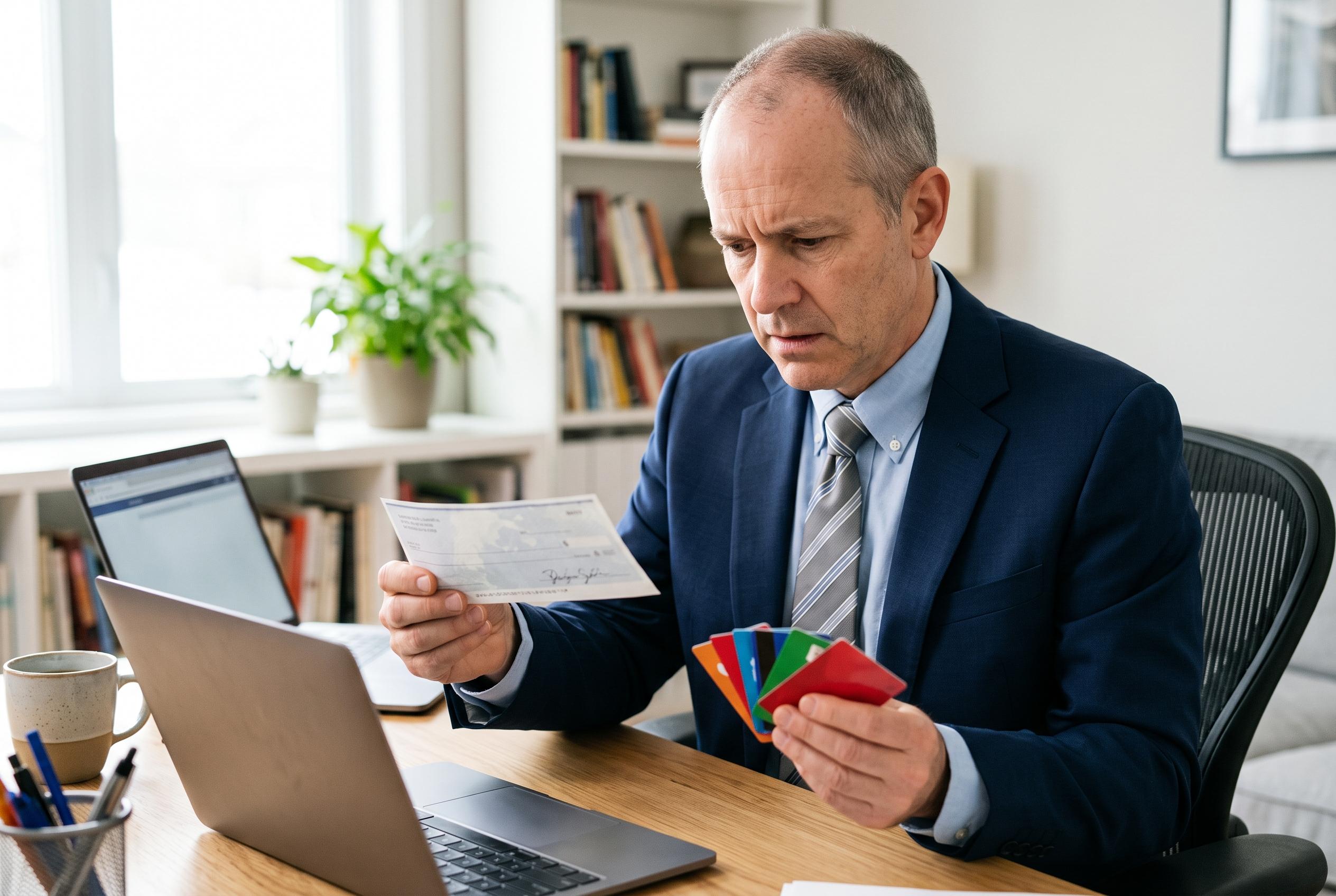

A well-known work-from-home ruse is back, with scammers tricking victims into cashing counterfeit checks and buying gift cards, often leading to debt rather than profit, warn consumer advocates.
A familiar work-from-home ruse is resurfacing, and consumer advocates say it can leave victims not with extra cash but with debt to their bank. The scam often begins with an apparently simple offer of secret shopper work, according to ABC11, but the real aim is to trick people into cashing a bad cheque and handing over gift card details.
In one case described by ABC11, a viewer received a letter in the post that included a cheque for $1,977.50 and a customer evaluation form. The pitch promised $477 in pay, plus an extra $150 if the task was completed within 24 to 48 hours. The catch was that the recipient was told to deposit the cheque, then buy $1,500 in Apple gift cards and report back on the shopping trip without alerting store staff.
When Troubleshooter Diane Wilson called the number listed in the letter, the scammer quickly asked whether the gift cards had been bought and then requested photographs of the cards, including the information on the back. That is the point at which many victims lose their money, because scammers can drain the balance once they have the card numbers and security codes. The Federal Trade Commission has also warned that fake-check mystery shopping schemes are back in circulation, with victims later forced to repay their banks after the counterfeit cheques bounce.
Alyssa Parker of the Better Business Bureau told ABC11 that employment scams make up a significant share of reports and urged jobseekers to be wary of any employer that sends money before work is completed and then asks for it to be moved elsewhere. The BBB and the FTC both advise consumers to verify the company independently, look for genuine reviews and treat any request to buy gift cards or share the card details as a major warning sign. Apple also warns customers not to share those numbers with anyone.
Disclaimer: This article is intended to inform and educate, not to recommend or endorse any financial product, investment or strategy. Please consider your own financial circumstances and seek professional advice where appropriate before making financial decisions.