

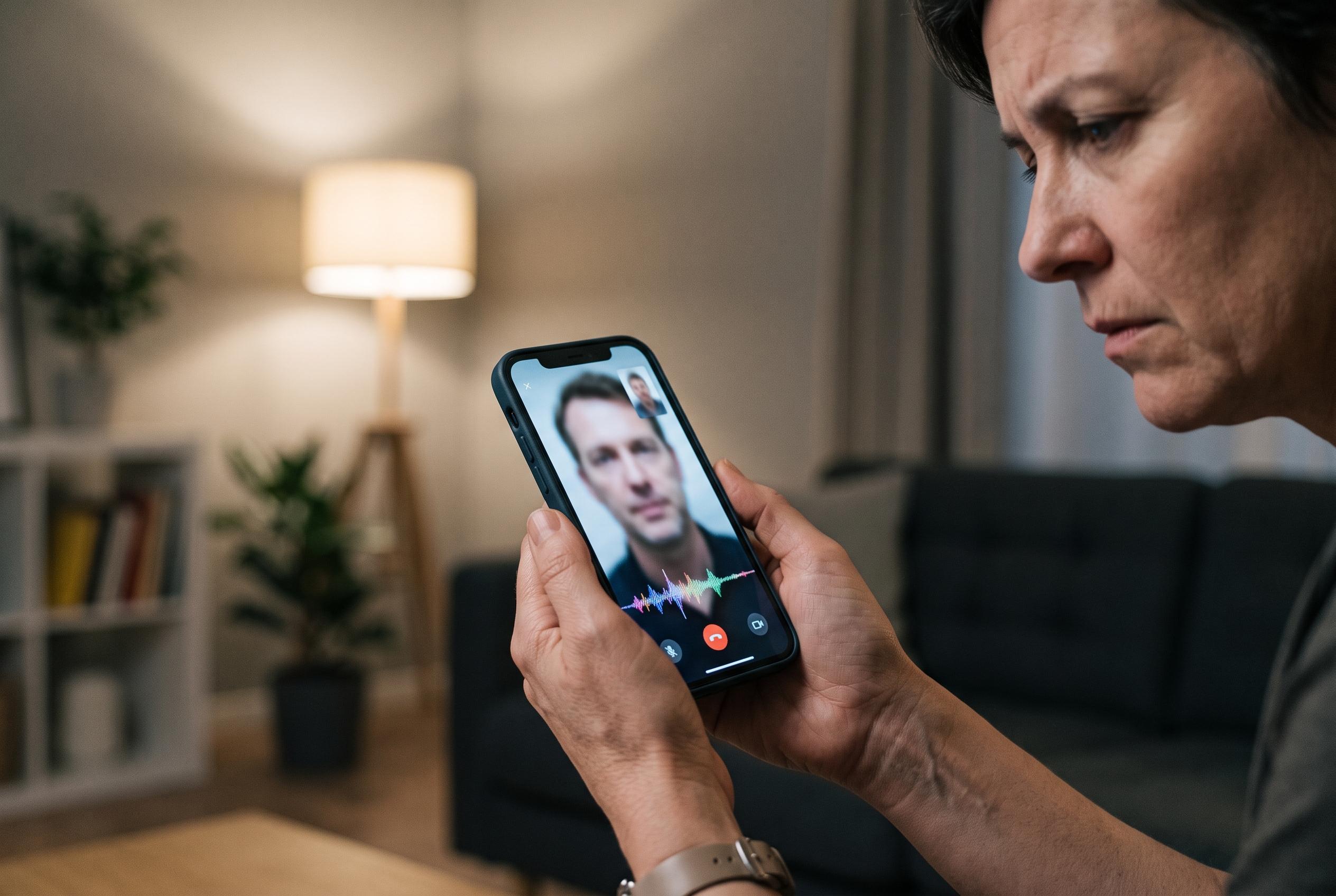

Fraudsters are exploiting AI technology to deceive deaf and hard-of-hearing people through messaging apps, using synthetic images and cloned voices to impersonate loved ones and solicit money, prompting public warnings and regulatory action.
Fraudsters are using artificial intelligence to target deaf and hard-of-hearing people through messaging apps, according to Russian outlet Lenta, with one of the clearest warning signs being their reluctance to move the conversation to video. In place of a live call, scammers are said to be sending AI-generated photographs and posing as the victim, or as someone close to them, in order to request money.
The tactic plays on a simple habit: many people who are deaf or hard of hearing use video calls to confirm who they are speaking to. Instead, the impostors claim they cannot switch on their camera, saying they are in a dentist’s surgery or another setting where a call would be inconvenient. That excuse is then reinforced with synthetic images, often made from the victim’s own altered photographs, to make the deception appear credible.
TechRadar has reported that voice-cloning scams are becoming more convincing as well, with criminals now able to imitate familiar voices closely enough to make traditional checks unreliable. A recent survey cited by the site found that many people struggle to tell genuine communications from fake ones, underlining how quickly trust in audio and video can be eroded when criminals use AI tools.
The wider threat is already being reflected in enforcement and public warnings. The US Federal Communications Commission has banned AI-generated voices in scam robocalls, while Axios reported this month that scammers are increasingly exploiting emotional pressure in calls that claim a loved one is in danger. Experts advise families to agree a private code word and to verify urgent requests through a separate, known channel before sending money.
Disclaimer: This article is intended to inform and educate, not to recommend or endorse any financial product, investment or strategy. Please consider your own financial circumstances and seek professional advice where appropriate before making financial decisions.



