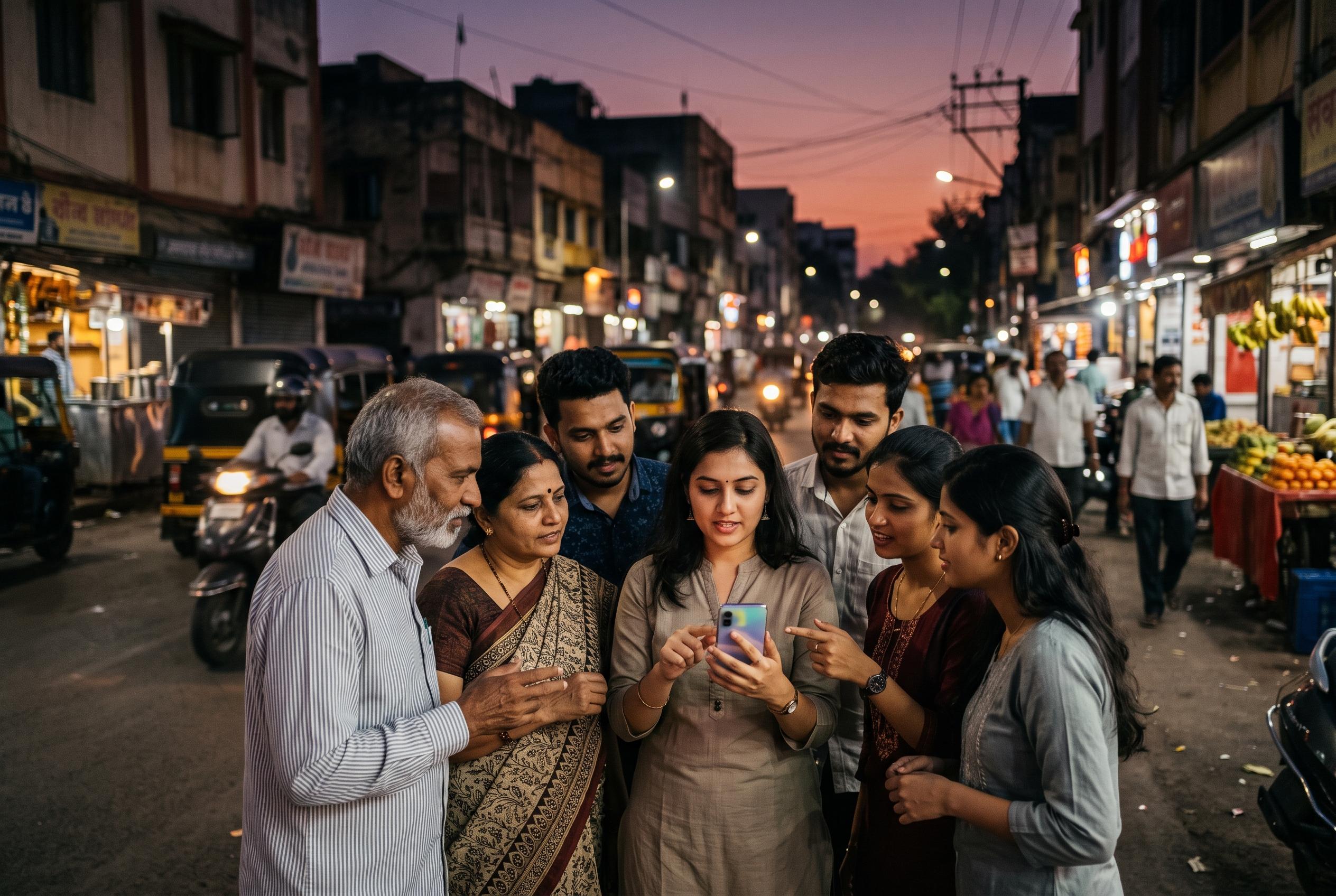

WhatsApp’s rollout of in-app bill payments in India signals a strategic push to dominate the country’s booming digital payment landscape, leveraging its massive user base to integrate everyday utility transactions seamlessly into the messaging platform.
As India’s UPI network keeps setting fresh records, WhatsApp is trying to turn its chat window into a place people also settle the monthly essentials. Meta began rolling out bill payments in India on 3 September 2026, allowing users to pay electricity, gas, water, FASTag, insurance, credit card and loan bills inside the app through Bharat Connect, the network previously known as the Bharat Bill Payment System. The company says the service links to 22,722 billers across 30 categories and is being introduced gradually for Android and iOS users. (newindianexpress.com)
The importance of the move lies less in the menu of bills than in the size of the audience already sitting inside WhatsApp. Business Standard reported that the app has more than 850 million users in India, its biggest market anywhere, and is already live on UPI. In July, WhatsApp Pay handled 167.89 million transactions worth ₹12,957.07 crore, more than double the volume a year earlier, making it the eighth-largest UPI app by transaction volume. The same report said the growth came after the National Payments Corporation of India removed earlier user-onboarding restrictions in December 2024. (business-standard.com)
That gives the launch a strategic edge as well as a practical one. India Today said the new feature places WhatsApp more directly against PhonePe and Google Pay in digital utility payments, while the Economic Times presented it as part of a wider effort to tap India’s booming use of digital payments for small, frequent purchases. Put another way, this is not just another add-on inside a messaging app; it is a bid to keep users inside WhatsApp for more of their financial routine. (indiatoday.in)
For users, the process appears designed to feel closer to a guided checkout than to a basic bank transfer. The New Indian Express reported that people open bill payments from the rupee icon on the home screen, choose a category and biller, enter their account details and then confirm the outstanding amount fetched by the system. NDTV said the same section also shows past payments and upcoming bills, with bills payable through UPI, debit card or credit card. (newindianexpress.com)
WhatsApp has also added features aimed at turning one payment into a repeat habit. The Economic Times said bills are pre-fetched and that any biller already paid through the feature will reappear on the Payments Home screen for one-tap access. Mint and India Today both reported that users can keep several accounts under one biller, making it possible to handle bills for a home, an office or relatives from a single place. Frequently used categories are surfaced automatically, with a “See All” option for the broader list. (m.economictimes.com)
Arun Srinivas, Meta India’s managing director and country head, has framed the feature as an attempt to fold another chore into the same daily habit as messaging. In remarks carried by several outlets, he said Meta wanted paying a bill on WhatsApp to be “as effortless as sending a message”. NDTV also quoted the company as saying users should be able to “securely pay their utility bills as simply as sending a message”, while Srinivas said the wider goal was to extend digital payment convenience to remote parts of the country. (newindianexpress.com)
The rollout also fits a broader pattern in India this year. Meta introduced prepaid mobile recharges on WhatsApp in April, again using the rupee icon as the main entry point, and earlier reports from Mint and India Today noted that Indian users can already buy metro tickets and use government chatbots without leaving the app. Bill payments are being released in phases, following the same staggered approach Meta used for recharges rather than an overnight national switch-on. (about.fb.com)
The timing is not accidental. The Economic Times, citing NPCI data, said UPI processed a record 24.51 billion transactions in August 2026 worth ₹29.82 lakh crore, after July’s then record of 23.66 billion transactions worth ₹29.88 lakh crore. It also reported that person-to-merchant payments now make up 63 per cent of UPI volume, and that 86 per cent of those transactions are below ₹500. In that context, paying a utility bill inside WhatsApp looks less like an experiment and more like an attempt to claim a bigger share of India’s everyday payments traffic. (m.economictimes.com)
Disclaimer: This article is intended to inform and educate, not to recommend or endorse any financial product, investment or strategy. Please consider your own financial circumstances and seek professional advice where appropriate before making financial decisions.