

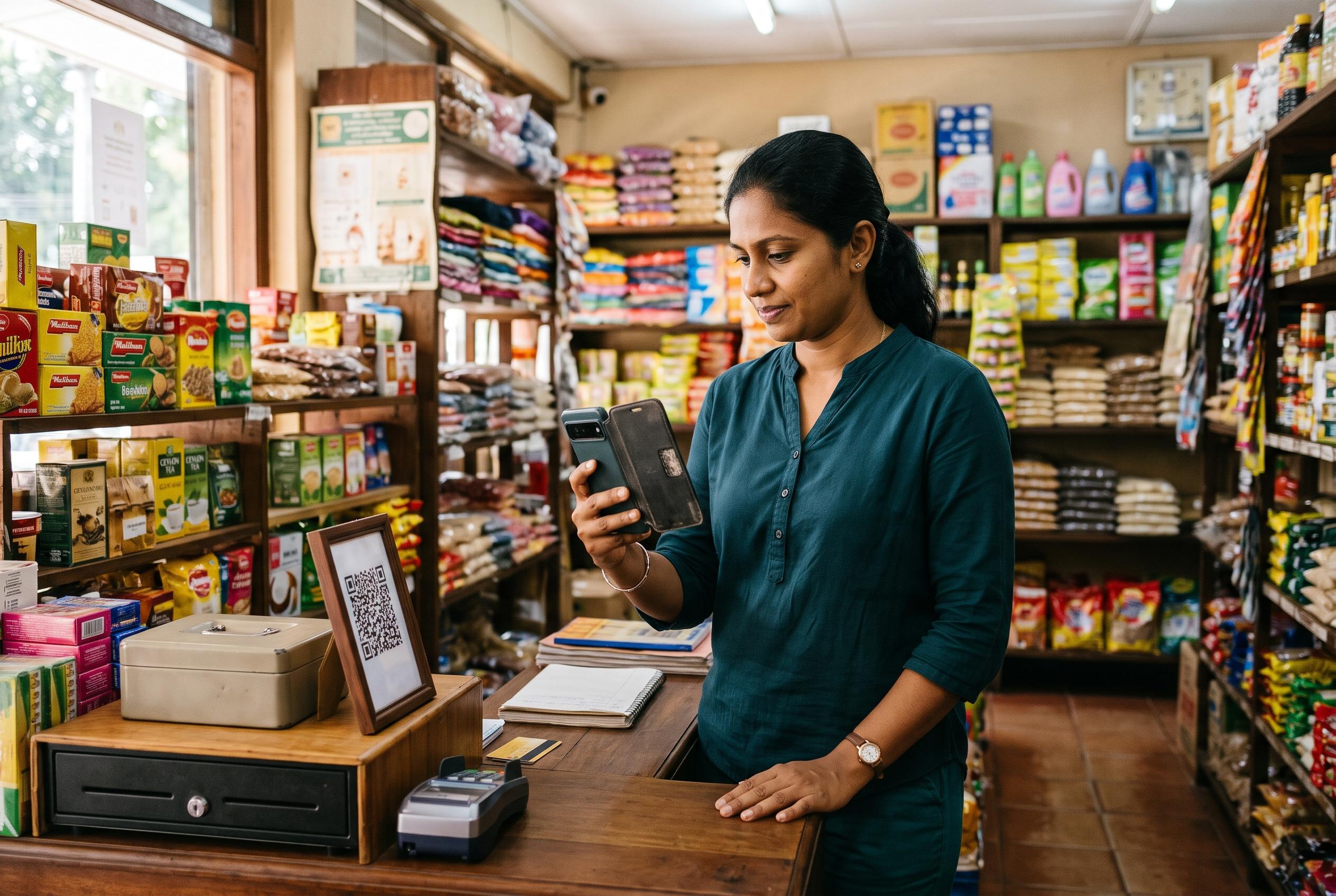

A live Pine Labs and WEBXPAY integration gives Sri Lankan businesses access to UPI, Indian cards and net banking without rebuilding their online checkouts, with settlements targeted for the next business day.
A new payments link between Pine Labs and WEBXPAY is aimed at making it easier for Sri Lankan businesses to sell to Indian customers online, especially in travel, hospitality and e-commerce. The companies said the integration lets merchants take UPI, Indian cards and net banking through their existing WEBXPAY checkout rather than building separate payment connections for each market. Industry reports on the announcement said the service is already live. According to the companies, it is the first payment-aggregator-to-payment-aggregator tie-up in Sri Lanka under the Reserve Bank of India’s Payment Aggregator–Cross Border framework.
The package goes beyond a basic card acceptance upgrade. It includes access to net banking across more than 100 Indian banks, UPI AutoPay, instalment payments and Credit on UPI, all of which are designed for eligible Indian customers rather than Sri Lankan shoppers. That matters because Indian travellers and online buyers are often more comfortable paying through domestic payment rails than entering international card details, particularly at the point of booking.
The companies said settlement will run on a T+1 basis, which generally means merchants receive funds the next business day, although cut-off times, holidays and individual contract terms can affect the exact timing. The arrangement is being folded into WEBXPAY’s existing merchant network, so businesses using the platform should not need to overhaul their checkout systems to add the new options. Pine Labs’ own documentation on UPI also shows the range of payment modes it supports, including direct payment requests and app-based flows, underscoring the maturity of the underlying rail now being extended into Sri Lanka.
For Sri Lankan merchants, the commercial question is whether a wider choice of payment methods leads to more completed purchases from Indian customers. The announcement did not include transaction volumes, fee schedules, refund terms or conversion data, all of which will shape whether the partnership is attractive in practice. Even so, the move gives hotels, tour operators and online retailers another route to capture demand from one of the region’s most important outbound travel and spending markets.
Disclaimer: This article is intended to inform and educate, not to recommend or endorse any financial product, investment or strategy. Please consider your own financial circumstances and seek professional advice where appropriate before making financial decisions.



