

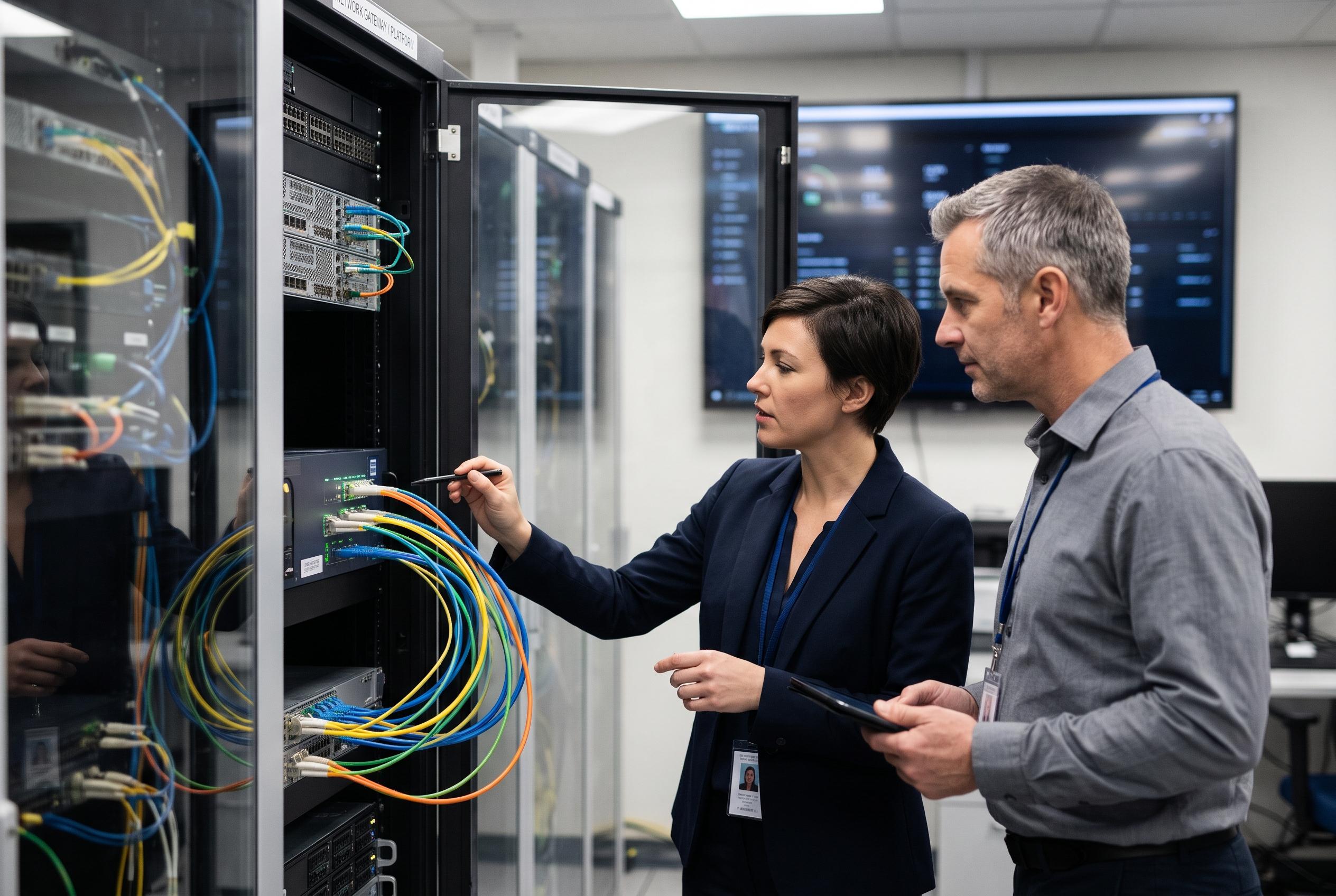

Shared platforms could help banks add payment services without rebuilding their systems for each new rail, but migration must preserve controls and customer visibility.
Banks are increasingly trying to modernise payments by shifting away from a patchwork of separate systems and towards shared hubs that can handle multiple rails with common controls, routing and operations. In a discussion on PYMNTS On Air, Robert Mancini of SRA Consulting described one commercial customer that wanted a direct instant-payments connection but faced an 18-month wait while the bank rebuilt its architecture. The episode captured a familiar problem for lenders: customers are ready to transact, but the technology behind the scenes is not. PYMNTS reported that the panel, which also included Radha Suvarna of Finastra and Rob Noon of Atlantic Union Bank, framed the hub model as a way to let banks say yes to new business faster without launching a fresh project each time a new rail is added.
The case for change is not simply about speed. Banks that have invested heavily in customer-facing portals can still find themselves unable to support the payments those portals are meant to initiate. Noon said the industry spent years improving the “front door” while the harder work of moving money remained split across multiple applications, vendors and support teams. Finastra’s own material on payment hubs makes the same point from an architectural angle, arguing that a shared hub can connect wires, ACH and instant payments through a common orchestration layer, APIs and integration gateways, rather than forcing each rail to be rebuilt and managed in isolation.
That shift matters because a modern payments platform now has to do more than move funds. According to the panel, banks must preserve fraud controls, sanctions screening, repair workflows, audit trails and customer visibility while also keeping legacy systems running long enough to prove the replacement works. The Bank for International Settlements has said ISO 20022, the global messaging standard used in many payments systems, can reduce information loss by carrying more structured data, which helps with compliance, reconciliation and fraud prevention. Suvarna warned that banks that rely too heavily on translation layers can end up stripping out the very data they will need later for better routing and services.
The discussion also pointed to a more pragmatic migration strategy than an all-at-once overhaul. Mancini described banks that begin with a single rail, then expand stage by stage, while federal and industry resources on FedNow and The Clearing House’s RTP network show that institutions can connect directly or through third-party providers, depending on their operating model. Finastra’s research on payment hubs also argues that modular and cloud-ready designs make it easier to add rails, adjust routing and scale capabilities without rebuilding the entire stack. In practice, that means banks can start with receive-only instant payments, or another limited use case, before moving to broader origination and routing options.
For bank executives, the investment case is therefore longer term than a typical software upgrade. Mancini said boards need to think in five- to six-year horizons and judge a platform not only by immediate savings but also by the projects it may prevent later. Noon’s warning was more operational: banks should not move customer activity until staff have tested the controls, visibility and exception handling end to end. The message from PYMNTS’ panel was clear. Modernisation is not just about replacing old plumbing; it is about building a payments model that can absorb new rails, support future data uses and protect service quality while the bank changes underneath the customer experience.
Disclaimer: This article is intended to inform and educate, not to recommend or endorse any financial product, investment or strategy. Please consider your own financial circumstances and seek professional advice where appropriate before making financial decisions.



