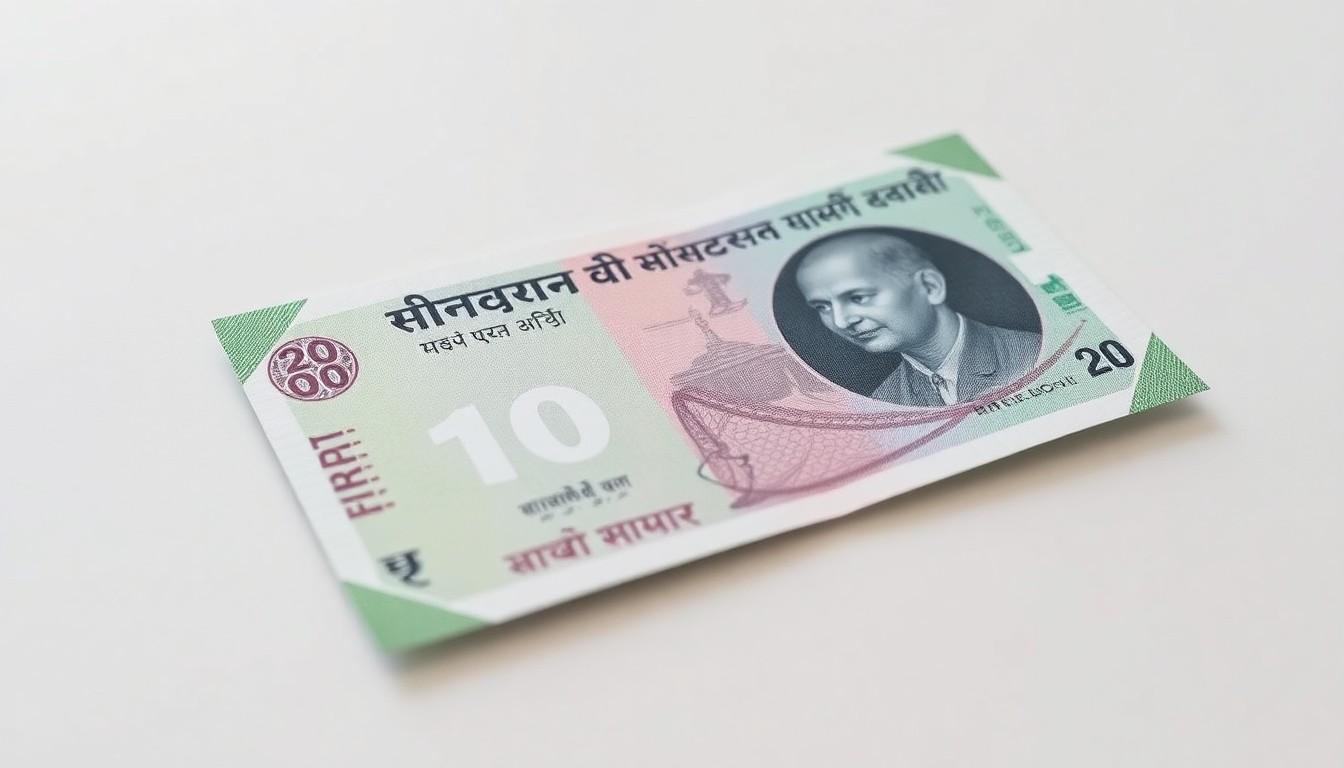

The Reserve Bank of India is considering introducing durable polymer banknotes, with pilot trials of ₹10 and ₹20 denominations possibly beginning as early as April or May, though a final decision remains pending.
India could see polymer banknotes enter circulation as soon as the start of the next financial year, but the Reserve Bank of India has still not taken a final decision on the broader rollout, according to recent comments by Governor Sanjay Malhotra. Speaking after the Monetary Policy Committee’s announcement on Wednesday, Malhotra said the central bank was preparing for possible issuance around April or May, although the move is still subject to further planning.
The proposal has been under review for weeks. Livemint reported that Malhotra described polymer notes as a work in progress, with the RBI weighing possible benefits against practical challenges. Business Standard and the Times of India also reported that the idea remains at a preliminary stage and that the central bank has not yet committed to proceeding.
Polymer, or plastic, notes are designed to be more durable than paper currency and are generally seen as cheaper to replace over time, while offering better resistance to wear and counterfeiting. Malhotra said some countries have recorded polymer notes lasting for more than 30 years, and that the RBI sees the format as particularly useful for lower-value denominations that change hands frequently.
The first stage, according to a statement in Parliament by Minister of State for Finance Pankaj Chaudhary, would involve field trials of ₹10 and ₹20 polymer notes. He said 100 crore notes in those denominations would be printed for the pilot project, allowing officials to assess public response before considering any larger launch.
Disclaimer: This article is intended to inform and educate, not to recommend or endorse any financial product, investment or strategy. Please consider your own financial circumstances and seek professional advice where appropriate before making financial decisions.