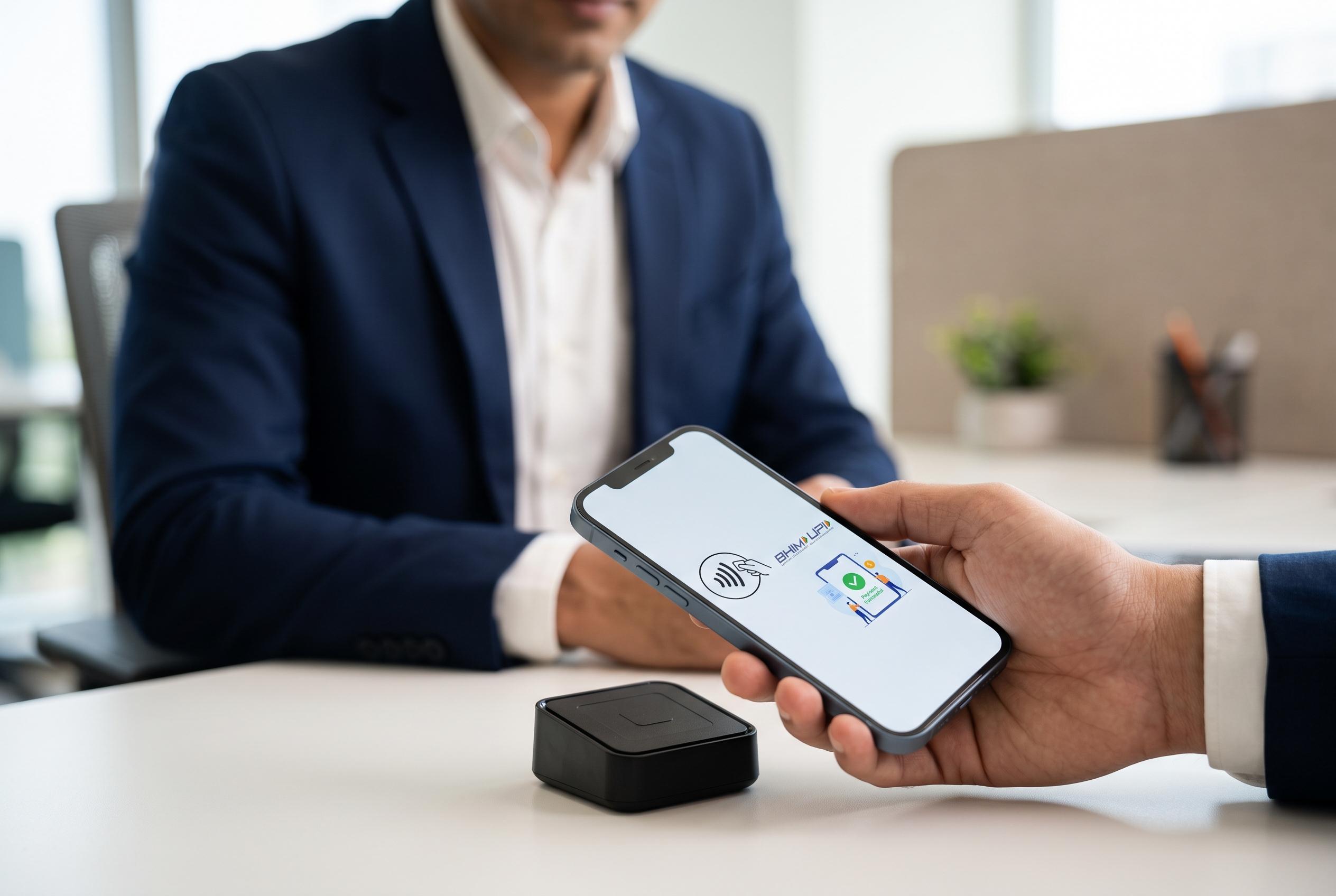

Apple is set to launch its contactless wallet service in India by October, marking a significant expansion, though integration with the dominant UPI system faces regulatory and strategic hurdles.
Apple Pay is set to arrive in India by October, according to Business Standard, in a move that would finally bring Apple’s contactless wallet service to one of the world’s largest smartphone markets. The launch would mark a significant expansion for Apple in a country where its devices have been gaining ground, even though the payment service itself has remained unavailable.
At launch, the service is expected to work with major card networks including Visa and Mastercard, but not with India’s Unified Payments Interface, or UPI, the instant-payments system that dominates everyday digital transactions in the country. Business Standard reported that Apple still needs approval from the National Payments Corporation of India, as well as an agreement with a sponsor bank to route UPI transactions, and that negotiations remain under way.
The report adds fresh detail to earlier signs that Apple has been preparing for an India rollout. Bloomberg reported in February that the company was already in talks with major Indian banks to make Apple Pay available in the country this year. MacRumors also reported earlier this year that Apple had been working with lenders including ICICI Bank, HDFC Bank and Axis Bank, while partnering with Mastercard and Visa on the payments infrastructure.
Even so, India’s payments market poses obstacles that Apple has yet to solve. UPI has become the backbone of retail digital payments, while contactless NFC payments have taken a smaller role, in part because QR-code-based transactions are cheaper and more widely accepted. That means Apple Pay’s debut, even if it proceeds on schedule, may begin as a limited launch rather than a full-scale challenge to the domestic payment systems already entrenched in India.
Disclaimer: This article is intended to inform and educate, not to recommend or endorse any financial product, investment or strategy. Please consider your own financial circumstances and seek professional advice where appropriate before making financial decisions.