

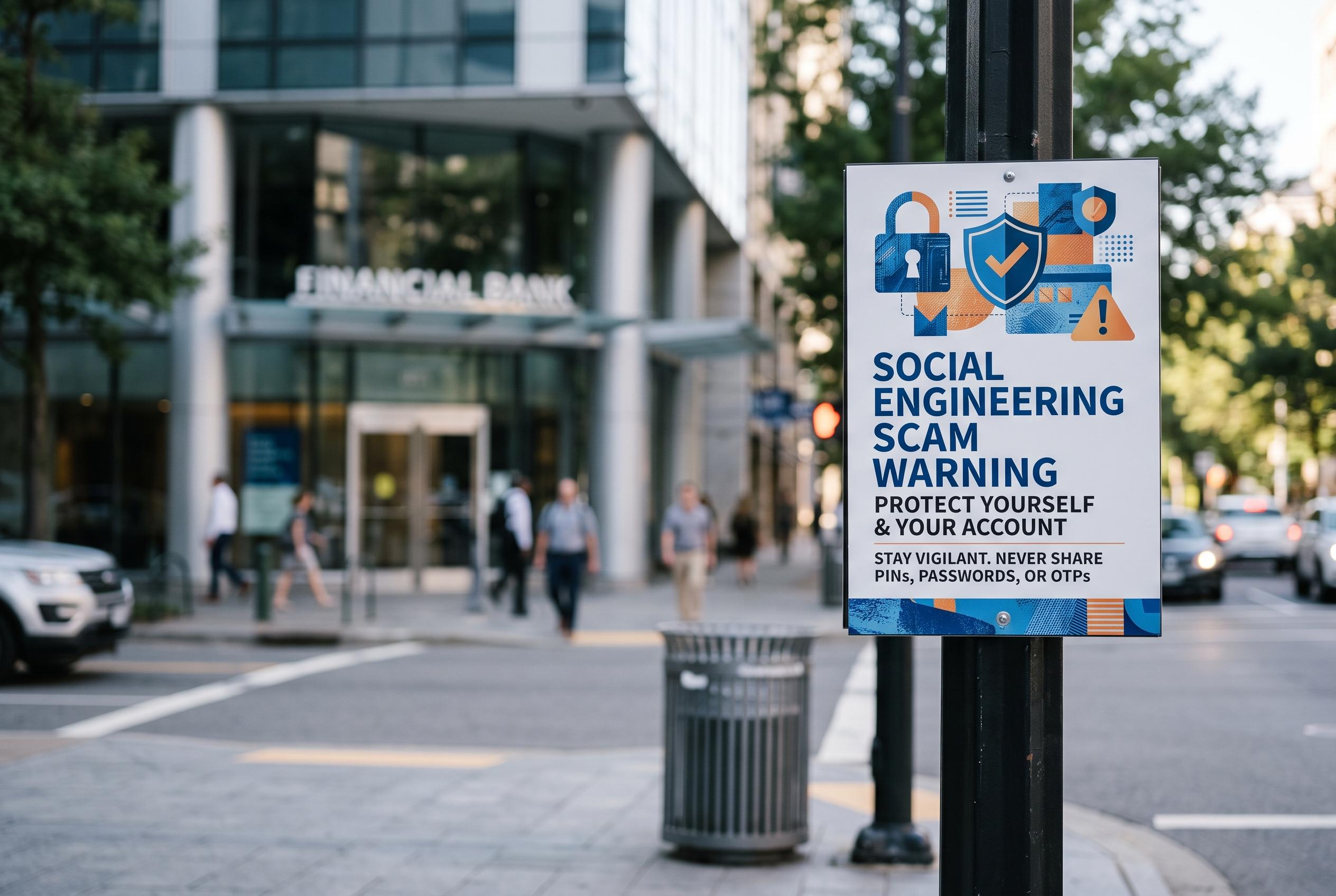

AIB has issued a warning to customers amid a 59% rise in fraud attempts this July, highlighting the increasing use of convincing social engineering tactics by scammers impersonating trusted organisations to steal money and security details.
AIB has warned customers to be on guard against a sharp rise in fraud attempts, saying criminals are increasingly persuading people to hand over money, security details, bank cards and cash. The bank said payment fraud cases jumped 59% in July compared with previous months, with scammers using convincing text messages and follow-up phone calls to impersonate trusted organisations.
According to AIB, the latest cases show fraudsters leaning heavily on social engineering, a tactic that relies on pressure, urgency and trust rather than technical hacking. Customers may first receive a text claiming to be from a bank, delivery firm or government body, then be called by someone claiming to be AIB staff. In some instances, the caller asks for one-time security codes supposedly to cancel a bogus transaction, allowing the criminal to enrol a new device and drain funds.
The bank also said it has seen a return of so-called safe account scams, in which victims are told their money is at risk and must be moved to a supposedly protected account. The new account is controlled by the fraudster. AIB said some victims have also been persuaded to withdraw cash for supposed investigations or protection, then hand it over at a collection point or from home. The bank stressed that neither AIB nor any legitimate organisation will ask customers to withdraw cash and give it away, disclose security codes or hand over a card and PIN.
The warning comes amid a broader pattern of increasingly polished scams targeting Irish consumers. The Irish Times reported in 2023 that fraudsters were using real employee names, job titles and fake brochures to sell bogus investments, while the Irish Examiner and Nova.ie described similar attempts to pressure victims into acting quickly. AIB fraud intelligence head Harold Perez said customers should “Wait a sec, double check” before responding to any unexpected request and should end the conversation and call back using a trusted number if anything feels wrong.
Disclaimer: This article is intended to inform and educate, not to recommend or endorse any financial product, investment or strategy. Please consider your own financial circumstances and seek professional advice where appropriate before making financial decisions.



