

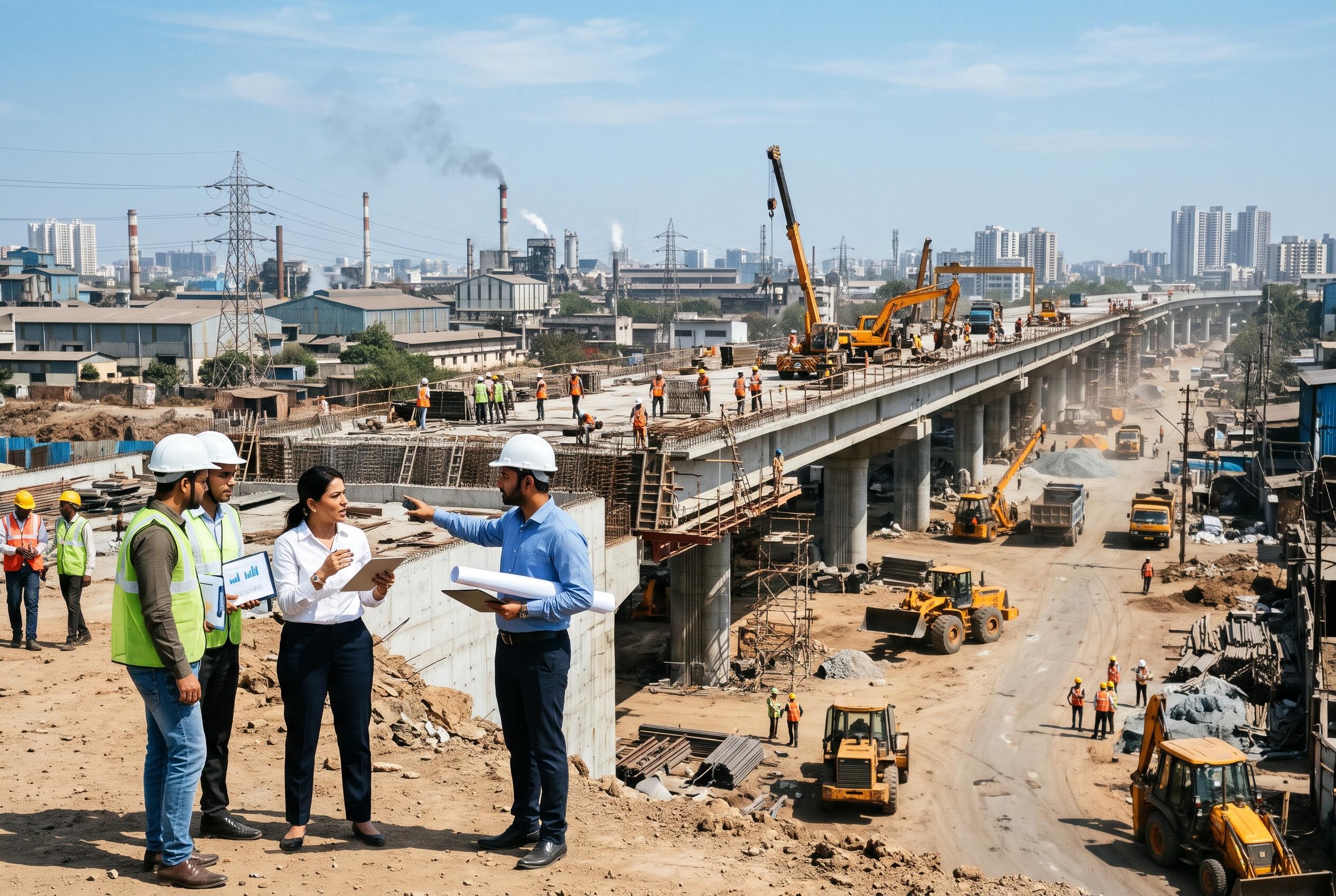

Uttar Pradesh is combining major infrastructure spending, sector-specific incentives and administrative reform in an effort to convert a vast investment pipeline into factories, jobs and broader-based growth.
Uttar Pradesh is using a blend of infrastructure spending, industrial policy and administrative reform to recast itself as one of India’s most closely watched growth stories under Chief Minister Yogi Adityanath. The state’s pitch is that better roads, faster connectivity and a more predictable business climate can pull in factories, logistics hubs and high-value services while also widening opportunities beyond its traditional dependence on agriculture.
That effort is increasingly being framed around a shift towards technology-led and higher-value industries. The Financial Express reported that the state is steering investment policy towards manufacturing, technology and clean-energy sectors, supported by more than three dozen sector-specific policies covering semiconductors, electronics, data centres, global capability centres, defence and green energy. The same report said the government is promoting its Nivesh Mitra 3.0 single-window platform as part of a broader attempt to make investment approvals easier and faster.
Officials argue the results are already visible in the size of the investment pipeline. Business Standard reported in May that Uttar Pradesh had received proposals worth ₹50 trillion since 2017, with Adityanath attributing the surge to tighter enforcement of the rule of law, better infrastructure and policy changes. The chief minister has also said the state is on course to become a $1 trillion economy by 2029-30, with manufacturing, technology and clean energy expected to do much of the heavy lifting.
Infrastructure remains central to that argument. State-backed descriptions of the development push say Uttar Pradesh now has the country’s largest network of expressways, the widest railway expansion and the most cities with metro services, while airport construction continues to gather pace. Projects such as the Purvanchal Expressway and the Agra-Lucknow Expressway have become symbols of a strategy that links transport investment to industrial land use, logistics and regional development. Reuters has not independently verified all of those state claims, but the direction of travel is clear: the government wants connectivity to lower costs and make the state more attractive to investors.
The budget numbers reinforce the scale of the ambition. According to PRS Legislative Research’s analysis of the Uttar Pradesh Budget 2026-27, the state’s gross domestic product is projected at ₹39.8 lakh crore, while total expenditure is estimated at about ₹9.13 lakh crore, including capital spending of ₹2.48 lakh crore. Those figures are budget estimates rather than evidence of growth already achieved, but they indicate the extent to which the administration is relying on public investment to sustain momentum.
Adityanath’s supporters say the state’s transformation is about more than roads and industrial parks. They argue that durable growth also depends on law and order, lower corruption and a bureaucracy that delivers services more efficiently. Critics, meanwhile, would say that the real test is whether announced projects are completed on time, whether they generate stable jobs and whether gains reach farmers, small businesses and poorer districts as well as large investors. However the state’s record is judged, Uttar Pradesh has emerged as a key test case for whether aggressive infrastructure spending and tighter administration can translate into broad-based development.
Disclaimer: This article is intended to inform and educate, not to recommend or endorse any financial product, investment or strategy. Please consider your own financial circumstances and seek professional advice where appropriate before making financial decisions.



