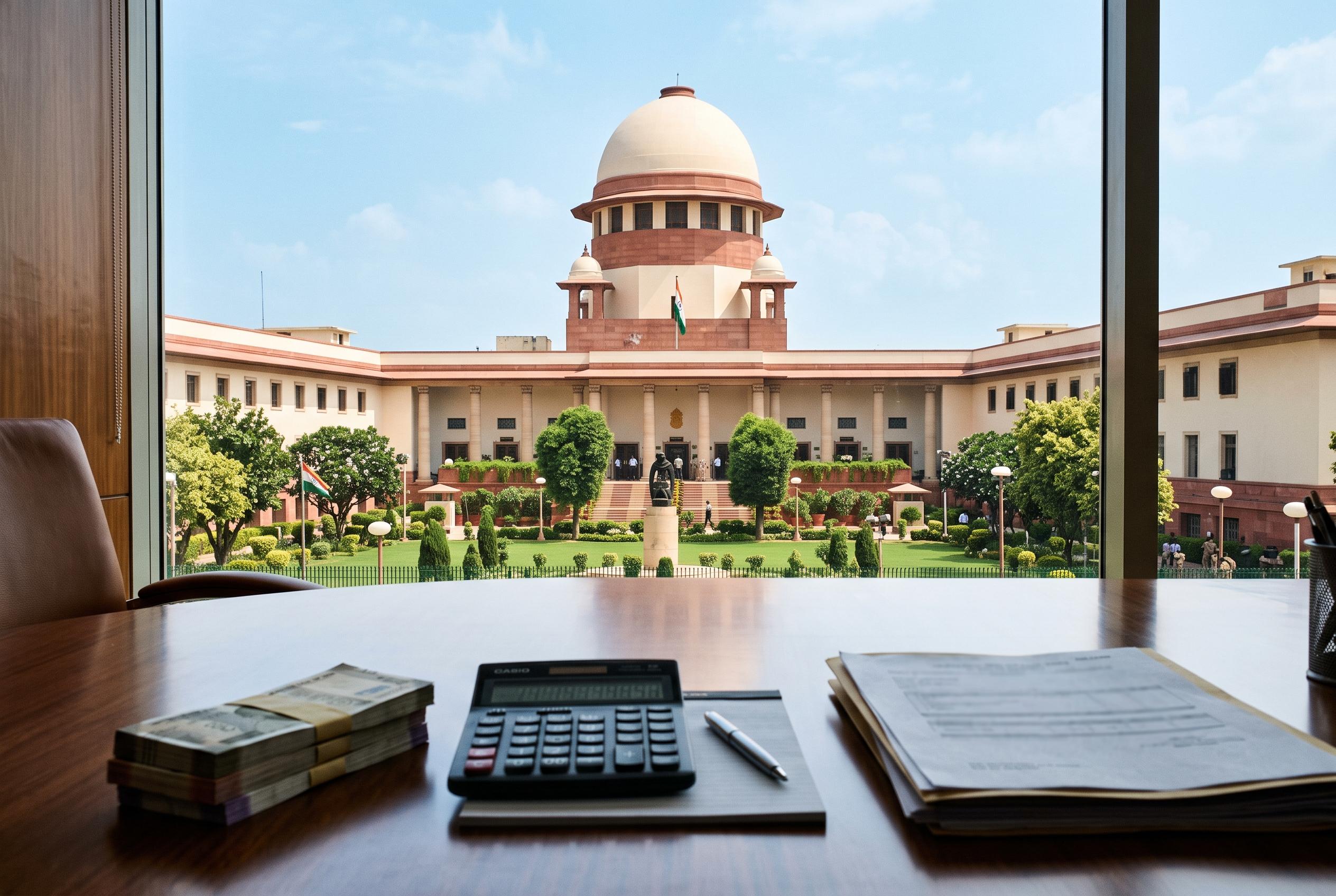

India’s Supreme Court has confirmed that buyers cannot claim input tax credit unless the supplier has paid GST to the government, emphasising the importance of supplier compliance and revealing gaps in real-time tax verification systems.
The Supreme Court of India has closed a major GST dispute by ruling that buyers cannot claim input tax credit unless the supplier has actually paid the tax to the government, even where the buyer acted in good faith and held a valid invoice. According to reports on the judgment, the court upheld the constitutional validity of Section 16(2)(c) of the Central Goods and Services Tax Act and dismissed the challenge in Bhandari Scrap Traders v. Union of India.
The ruling stems from a familiar problem in tax administration: a purchaser pays the full invoice, including GST, but later receives a notice demanding reversal of the credit because the supplier failed to deposit the tax. The Gujarat High Court had already rejected the argument that the provision should be read down to protect bona fide buyers, and it had drawn a clear line between GST and the older VAT regime. The Supreme Court has now agreed with that approach, according to legal reports on the case.
The court also accepted the government’s position that input tax credit is a statutory benefit, not an automatic entitlement, and noted that the law does provide a route for buyers to re-avail credit if the supplier later pays up. Legal summaries of the judgment say the bench rejected the argument that the rule should apply only where there is fraud or collusion, and instead treated the payment condition as a general requirement for credit.
For businesses, the message is blunt: paying GST on an invoice is not enough protection if the supplier does not pass that money on. That makes supplier checks, return reconciliations and contractual safeguards more important than ever. The wider policy concern, echoed in the Gujarat High Court and carried forward by the Supreme Court, is that India still lacks a real-time verification system that would prevent honest buyers from bearing the cost of another party’s default.
Disclaimer: This article is intended to inform and educate, not to recommend or endorse any financial product, investment or strategy. Please consider your own financial circumstances and seek professional advice where appropriate before making financial decisions.