

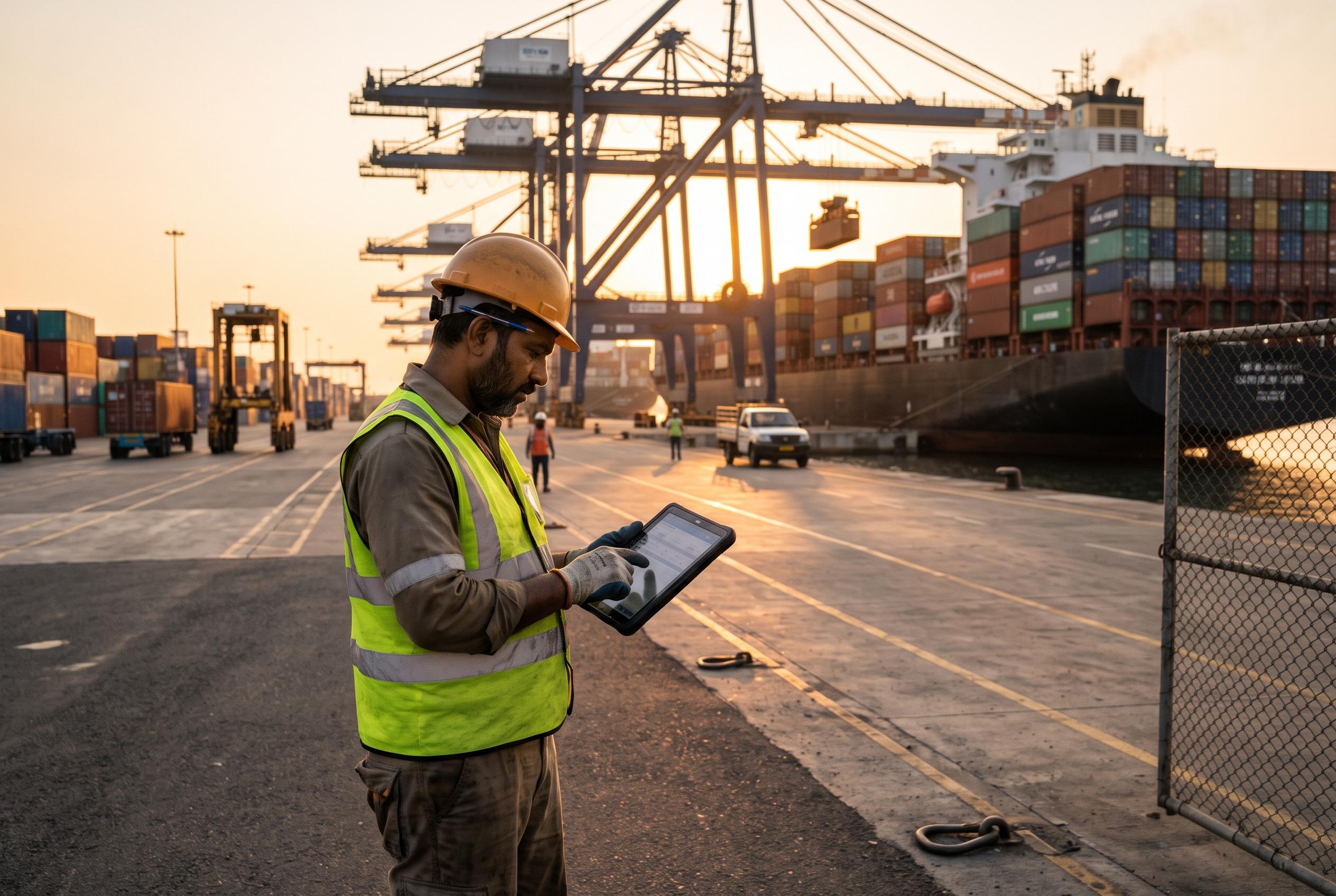

Agreements already in force cover 27.4% of India’s merchandise exports, but completing negotiations including the EU pact could raise that share to 74.5%.
India’s trade agreement push is gathering pace, with the country now able to claim preferential access for a far larger share of its exports than just a few years ago. According to a Business Standard analysis based on commerce department data, India has concluded eight trade pacts in the past six years and is negotiating more than 10 others as it tries to broaden market access and reduce reliance on a narrow group of trading partners. The current agreements in force cover exports worth $120.9 billion, or 27.4% of India’s merchandise exports in FY26, but that share could rise to 74.5% if the pending deals are completed.
The most consequential agreement in the pipeline is the India-European Union free trade pact. The European Union’s envoy to India has said negotiations concluded on 27 January 2026, with legal teams then reviewing the text and a year-end signing target under discussion. If ratification proceeds smoothly, the deal could take effect in the first half of 2027, giving Indian exporters improved access to one of the world’s largest markets. The government has separately said the talks are part of a wider strategy to diversify exports and expand opportunities for industry and farmers.
India has also moved ahead with a series of other agreements this financial year. The commerce ministry has said the deal with the United Kingdom was due to take effect on 15 July 2026, while the agreement with New Zealand was scheduled to enter into force on 20 October 2026. Those additions help explain how the value of exports covered by active trade pacts has already risen to more than a quarter of India’s merchandise shipments.
The United States remains another important target. The Indian government and Washington announced a framework for an interim trade agreement in February 2026, and broader bilateral negotiations are continuing, according to the US Department of Commerce. India is also in talks with the Eurasian Economic Union, Mercosur, Qatar, Bangladesh, Peru, Canada, Chile, Israel and the Maldives, while a proposed arrangement with the Gulf Cooperation Council is also on the table. Together, those discussions underscore how central trade agreements have become to New Delhi’s export strategy, even as officials weigh the commercial gains against the concessions required to secure wider market access.
Disclaimer: This article is intended to inform and educate, not to recommend or endorse any financial product, investment or strategy. Please consider your own financial circumstances and seek professional advice where appropriate before making financial decisions.



