


Five proposed projects spanning hyperscale computing, lithium cells and electronics could create more than 4,450 direct jobs, but delivery will depend on approvals, skills and supporting infrastructure.
Madhya Pradesh is betting that a mix of digital infrastructure, battery manufacturing and electronics production can help it move further up India’s industrial value chain. According to The Indian Express, the state has lined up five proposed technology projects worth about ₹9,625 crore, with the biggest commitments centred on a hyperscale data centre in Gwalior and a lithium-cell plant in Bhopal.
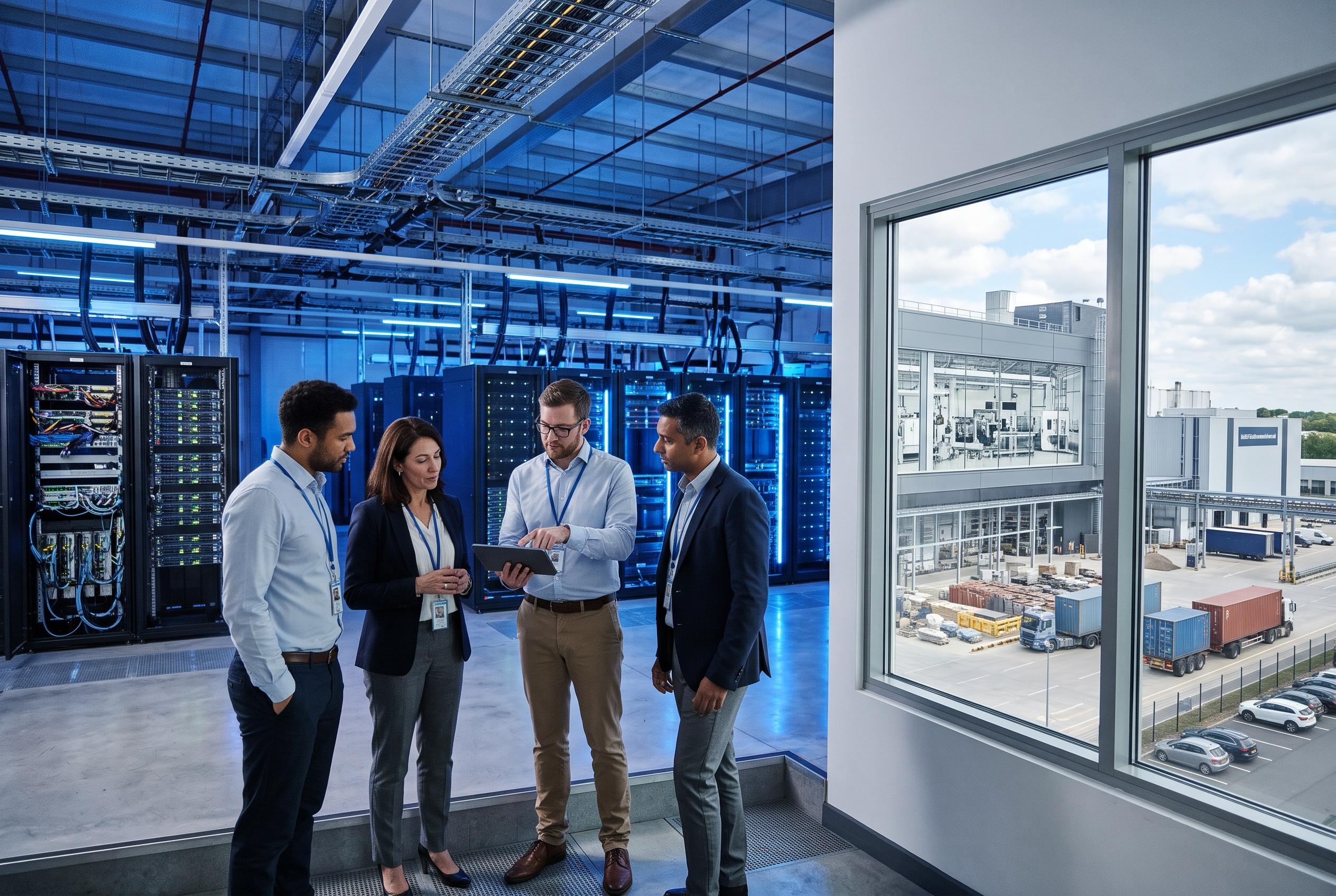
The largest proposal is a ₹6,415 crore data centre project by CyTac RE, which would add 50 megawatts of capacity in Gwalior. A hyperscale facility of that kind is designed to support cloud services, enterprise systems and artificial intelligence workloads. The Indian Express also reported that the package includes plans for centres of excellence in semiconductor and quantum technologies, pointing to a broader effort to build out research and design capabilities rather than rely only on factory investment.
Battery manufacturing is another pillar of the state’s pitch. Una Ecosystems has proposed a ₹2,000 crore lithium-cell plant in Bhopal, with a planned output of 1.5 gigawatt-hours, while Meena Circuits and Kaynes Electronics have put forward electronics manufacturing projects in Bhopal worth ₹400 crore and ₹310 crore respectively. Together, these proposals are meant to strengthen domestic supply chains for electric vehicles, energy storage and consumer electronics, areas that are increasingly important to India’s industrial strategy.
The projects are expected to create more than 4,450 direct jobs, according to the published reports, with gains likely to extend to construction, logistics, maintenance and technical services as well. Bozok Media and Free Press Journal both reported that the investments were linked to the Madhya Pradesh Semiconductor Summit 2026, where letters of intent were issued for the proposed projects. The announcements suggest that the state wants to position itself as more than a conventional manufacturing base, but the real test will come in execution: securing approvals, financing, power supply, skilled labour and the supporting ecosystem needed to turn proposals into operating facilities.
Disclaimer: This article is intended to inform and educate, not to recommend or endorse any financial product, investment or strategy. Please consider your own financial circumstances and seek professional advice where appropriate before making financial decisions.



