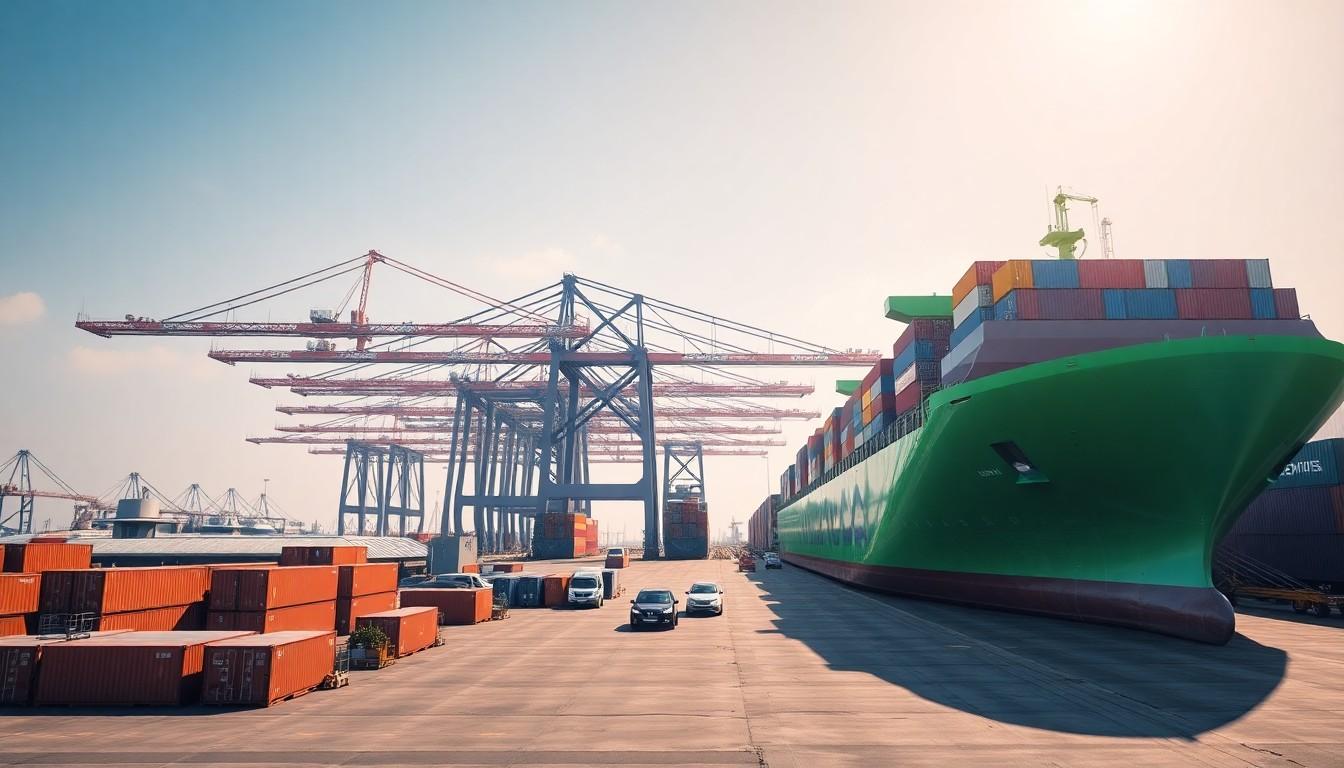

India is rapidly modernising its maritime industry, aiming to become a key node in global supply chains through enhanced capacity, digital innovation, and green initiatives that reshape its geopolitical influence by 2035.
India’s maritime sector is moving well beyond the old image of ports as simple cargo handling points. According to Logistics Insider, the country has spent the past 15 years scaling up capacity, improving efficiency and widening the role of shipping in the wider economy. Container throughput has risen sharply, port capacity has nearly doubled and vessel turnaround times have fallen, suggesting that India is trying to build not just bigger ports but a more connected logistics system.
That shift matters because the maritime network now sits at the centre of India’s manufacturing and export strategy. Industry voices quoted by Logistics Insider argued that growth in container traffic reflects both stronger imports of raw materials and the expansion of domestic production in sectors such as automobiles, machinery, chemicals, pharmaceuticals and consumer goods. The same report said India’s coastline, domestic market and position near major east-west trade routes give it a structural advantage if port performance continues to improve.
The government is also pushing a wider overhaul. Economic Times reported that the shipping ministry is focusing on digital integration, simpler governance and better grievance handling in order to lift efficiency and competitiveness. Other sector summaries said recent reform measures, including new shipping legislation and digital platforms, are intended to modernise outdated rules, improve transparency and align Indian ports with international standards. That effort is being reinforced by programmes such as PM Gati Shakti and Sagarmala, which aim to synchronise ports, rail, roads and industrial corridors.
The modernisation push is not limited to speed and scale. Indian Infrastructure reported that digitalisation, mechanisation and private participation are reshaping how ports operate, while sustainability has become a central theme rather than a side issue. Separate summaries pointed to green tug plans, green shipping corridors and the wider push towards cleaner fuels and shore power, all of which reflect pressure to cut emissions as trade grows. Together, these measures suggest India wants its maritime expansion to be cleaner as well as faster.
For the next stage, the question is whether India can turn port growth into broader strategic influence. Logistics Insider quoted industry executives saying future leaders will be defined by deeper integration, smarter customs systems, stronger rail and road links and greater use of data and artificial intelligence in supply chains. The underlying argument is clear: the country is no longer trying only to move more cargo. It is trying to become a more important node in global trade, manufacturing and logistics by 2035.
Disclaimer: This article is intended to inform and educate, not to recommend or endorse any financial product, investment or strategy. Please consider your own financial circumstances and seek professional advice where appropriate before making financial decisions.