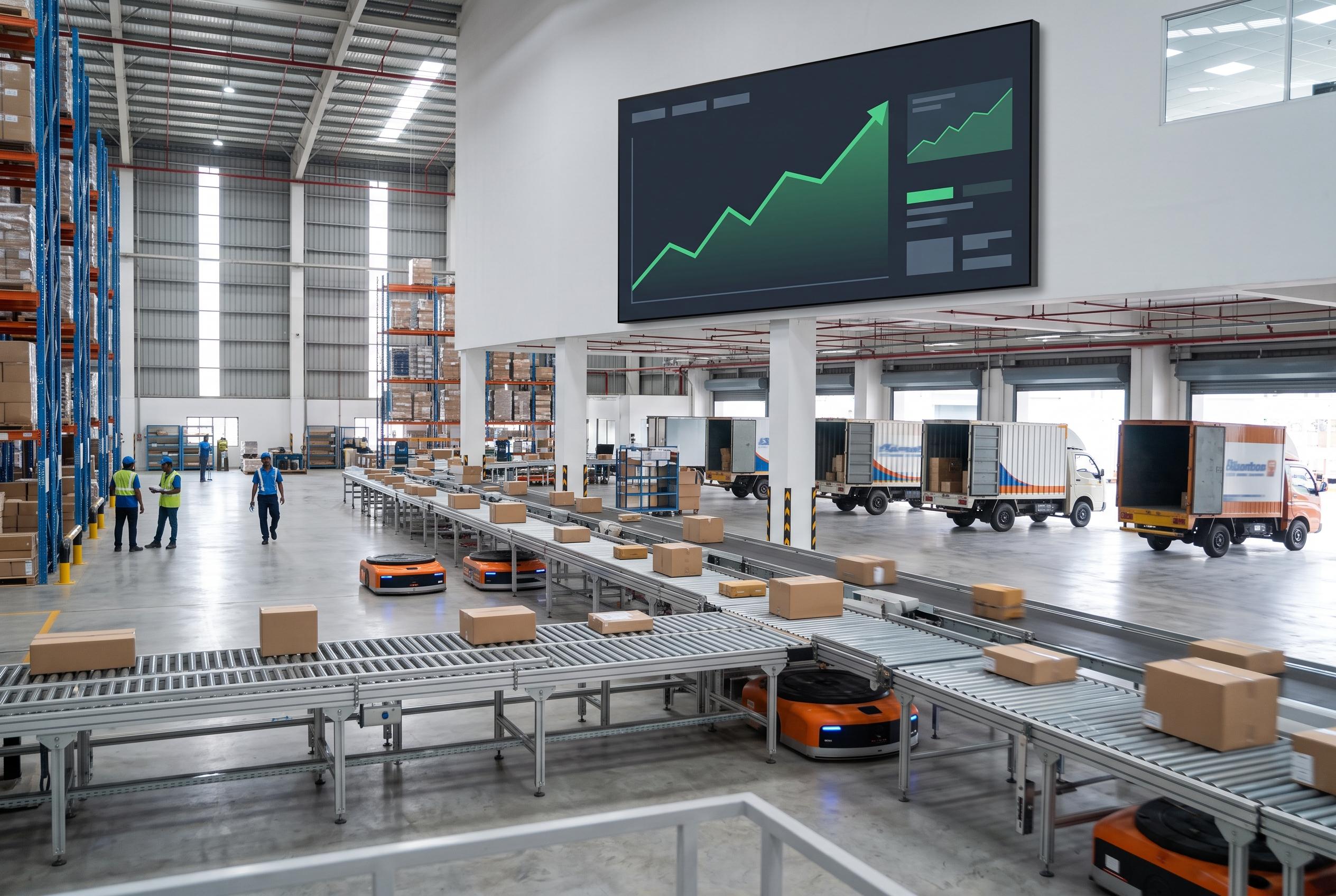

India’s e-way bill generation in July approaches a record high, reflecting sustained goods movement and economic resilience amid recent regulatory updates, with potential implications for GDP growth and tax collections.
E-way bill generation in India rose 5.98% year on year in July to 139.79 million, according to Goods and Services Tax Network data, underscoring firm movement of goods across the economy. The figure was the second-highest monthly total on record, trailing only the 140.60 million logged in March.
The July reading also marked a 2.21% increase from June’s 136.77 million, extending a run of elevated activity in freight and supply chains. Business Standard reported that June had already posted a 14.5% year-on-year jump, while Moneycontrol said that month’s tally pointed to resilient goods movement at the end of the first quarter of FY27.
Tax specialists said the latest numbers suggest domestic trade remains steady and may support collections in August, although the eventual outcome will depend on the value and mix of transactions. The finance ministry’s latest Monthly Economic Review said the Indian economy maintained its growth momentum in the first quarter of FY27 despite an uncertain global backdrop, but it also noted some softening in high-frequency indicators such as e-way bills and the manufacturing purchasing managers’ index.
The data comes as the Goods and Services Tax Network has begun rolling out changes to the e-way bill system from August 1, including mandatory capture of the ship-to GSTIN field in bill-to/ship-to transactions and a voluntary closure facility for completed consignments. Those updates are intended to improve traceability and data accuracy, and may further tighten compliance as goods movement under the GST regime continues to be closely watched as a gauge of economic activity.
Disclaimer: This article is intended to inform and educate, not to recommend or endorse any financial product, investment or strategy. Please consider your own financial circumstances and seek professional advice where appropriate before making financial decisions.