

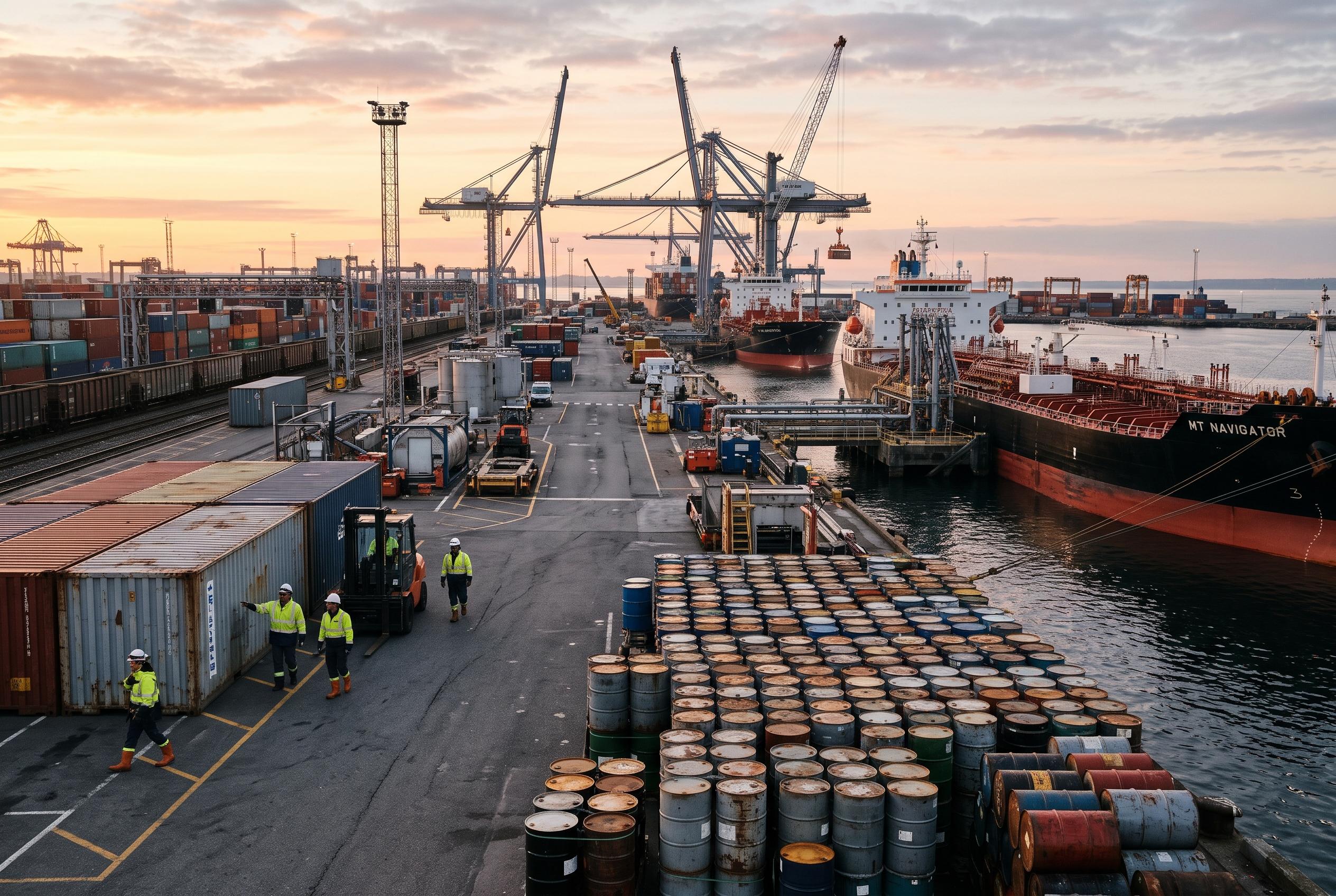

India’s average imported crude price has climbed above $120 a barrel, with higher shipping and insurance costs intensifying pressure on the import bill, rupee and fuel retailers.
India’s crude import basket climbed to its highest level in 14 years in October as the West Asia conflict fed a fresh spike in freight, insurance and benchmark prices, raising pressure on the country’s trade balance and currency.
According to the Petroleum Planning and Analysis Cell data cited by The Hindu BusinessLine, the average price of the Indian crude basket stood at $120.46 a barrel through October 26, up from $116.77 in September and $90.19 in August. That is the strongest monthly average since March 2012, when the basket averaged $123.61 a barrel, and the daily rate on October 26 reached $123.72. The newspaper also noted that Brent was trading at $114.6 a barrel on Tuesday evening, while WTI and Murban were at $100.9 and $117.7 respectively.
The rise comes as global oil markets absorb what analysts describe as a geopolitical risk premium rather than a simple shortage of supply. Axios reported that Brent prices have surged to levels last seen in March, after investors grew more worried that the Iran war could intensify. It said the recent increase has been amplified by higher shipping costs, with one measure of oil delivered to Asia far above the benchmark price before transport. In other words, the cost of moving crude has become nearly as important as the cost of the oil itself.
For India, that matters because the country relies heavily on imported energy. The Hindu BusinessLine said India’s net oil and gas import bill rose 35 per cent year on year to $81.1 billion in April-September of FY27. It added that under-recoveries on LPG for the three state-run oil marketing companies are about ₹62,000 crore, while HPCL and BPCL have already reported strain on marketing margins, partly cushioned by stronger refinery earnings. Indian Oil is due to report results on Friday.
The weaker rupee is adding another layer of pressure. Jateen Trivedi of LKP Securities told The Hindu BusinessLine that the currency was holding near 95 to the dollar, but remained vulnerable to oil prices and the dollar index, particularly ahead of the US Federal Reserve’s policy decision. ICRA has estimated that a $10 a barrel rise in average crude prices adds roughly $12 billion to $13 billion to India’s oil import bill over a full fiscal year and widens the current account deficit by about 0.3 per cent of GDP. The agency’s estimate helps explain why economists and refiners are watching the current price spike so closely: even if supply disruption eases, the cost of securing and delivering oil may stay elevated for longer than markets had hoped.
Disclaimer: This article is intended to inform and educate, not to recommend or endorse any financial product, investment or strategy. Please consider your own financial circumstances and seek professional advice where appropriate before making financial decisions.



