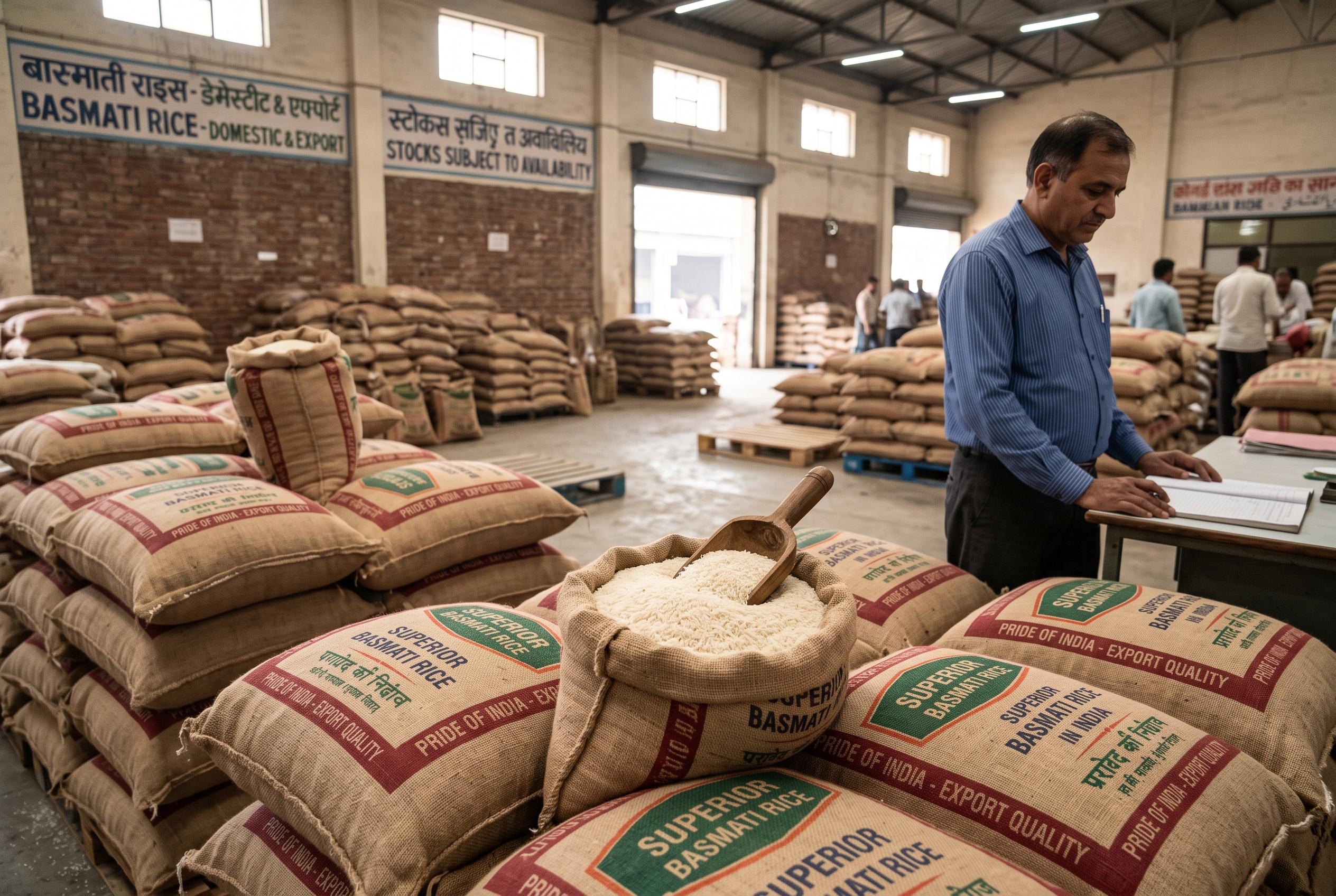

Indian rice export prices remain near a 10-month peak driven by tight domestic supply, uneven monsoon rainfall, and climate-related disruptions, keeping buyers active despite rising offers.
Indian rice export prices stayed close to a 10-month peak this week as tighter domestic paddy supplies, uneven monsoon rainfall and concern over El Niño kept buyers active despite higher offers. The 5% broken parboiled variety from India was quoted at $358 to $364 a metric ton, while the 5% broken white grade fetched $357 to $363, according to The Hindu BusinessLine. Traders said domestic paddy costs have climbed and exporters have been able to pass some of that increase through to overseas buyers.
The rise reflects wider unease across the Indian market. Economic Times reported that export prices have been underpinned by tight paddy availability and patchy rainfall in key growing areas, with traders worried that the kharif crop, the main monsoon-sown harvest, could remain under pressure into the final quarter of the year. BRecorder also said exporters are lifting offers to match higher procurement costs as moisture shortages in some belts have complicated transplanting.
India’s exports have still held up. The Hindu BusinessLine said shipments rose 5% in the first half of 2026, helped by stronger sales of non-basmati rice even as basmati exports slipped after the Iran war disrupted trade with Gulf markets. That resilience has kept Indian rice competitive in global markets, though supply worries now appear to be doing much of the price-setting.
Elsewhere in Asia, Thailand’s 5% broken rice rose to $455 to $460 a ton, the highest level among major regional suppliers, while Vietnamese 5% broken rice was unchanged at $430 to $450 a ton amid quiet trading, The Hindu BusinessLine reported. In Bangladesh, prices remained elevated after flooding damaged crops, and officials are working on climate-resilient rice varieties to help farmers adapt to more frequent weather shocks. Vietnam’s rice industry is also seeking floor prices to protect producers and exporters from price manipulation, underscoring how climate and supply risks are reshaping the market across the region.
Disclaimer: This article is intended to inform and educate, not to recommend or endorse any financial product, investment or strategy. Please consider your own financial circumstances and seek professional advice where appropriate before making financial decisions.