

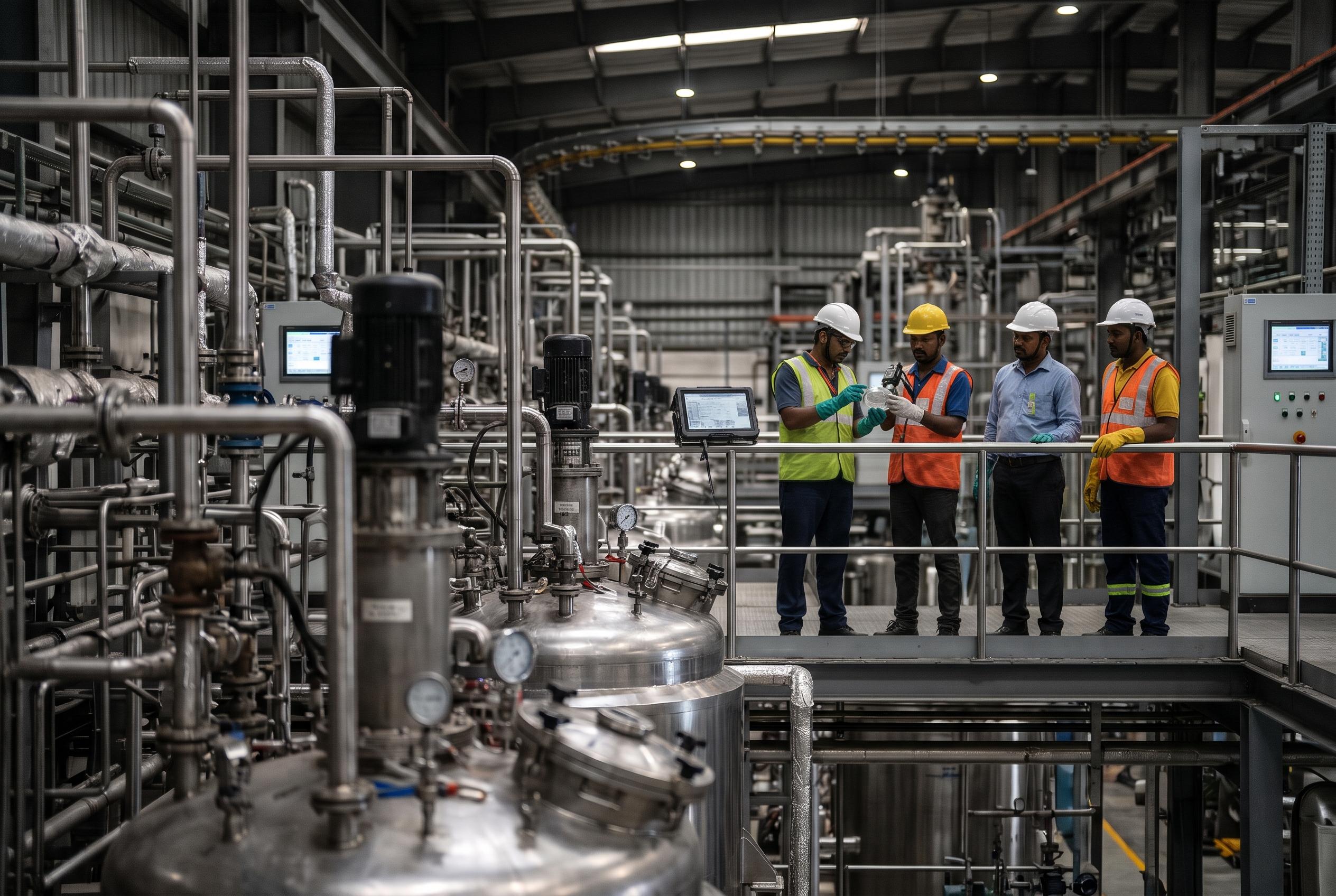

A proposed subsidy could cover 30 per cent of capital costs for four processing plants, as India seeks to reduce reliance on overseas supply chains.
The Union Cabinet is expected to consider a proposed scheme worth about Rs 2,800 crore to help fund new capacity for processing critical minerals such as lithium and nickel, according to The Indian Express. The plan is designed to bolster India’s domestic processing base at a time when the country is trying to reduce exposure to overseas supply chains and secure materials needed for batteries, electronics and other advanced industries.
People familiar with the proposal told the newspaper that the support package would target facilities turning lithium and nickel ores, along with intermediate products, into high-purity compounds. Cobalt is expected to be recovered as a by-product of nickel processing. The proposal, as described in the report, would also extend to downstream sectors that rely on these materials, including electric mobility, defence, speciality steel and battery manufacturing.
The Indian Express said the scheme may offer a subsidy covering 30 per cent of capital expenditure for four plants, split evenly between lithium and nickel projects, subject to minimum capacity requirements and limits on the number of beneficiaries. That would fit into a wider government push to build out critical-mineral infrastructure, including processing parks and centres of excellence. Separately, a recent Ministry of Mines statement through the Press Information Bureau said India has identified lithium deposits in Karnataka and Jammu and Kashmir, while cobalt and nickel deposits are known in Odisha and Jharkhand, but the country still had no working mining leases for those minerals at the time of publication.
The push for domestic processing also reflects broader concerns about supply-chain concentration. The International Energy Agency has warned that refining for key clean-energy minerals is heavily concentrated in a small number of countries, leaving manufacturers vulnerable to disruption. NITI Aayog has also highlighted the rapid rise in lithium-ion battery demand, along with weaknesses in collection and recycling systems, underscoring why India wants to strengthen both processing and recovery infrastructure as it builds out its battery ecosystem.
Disclaimer: This article is intended to inform and educate, not to recommend or endorse any financial product, investment or strategy. Please consider your own financial circumstances and seek professional advice where appropriate before making financial decisions.



