

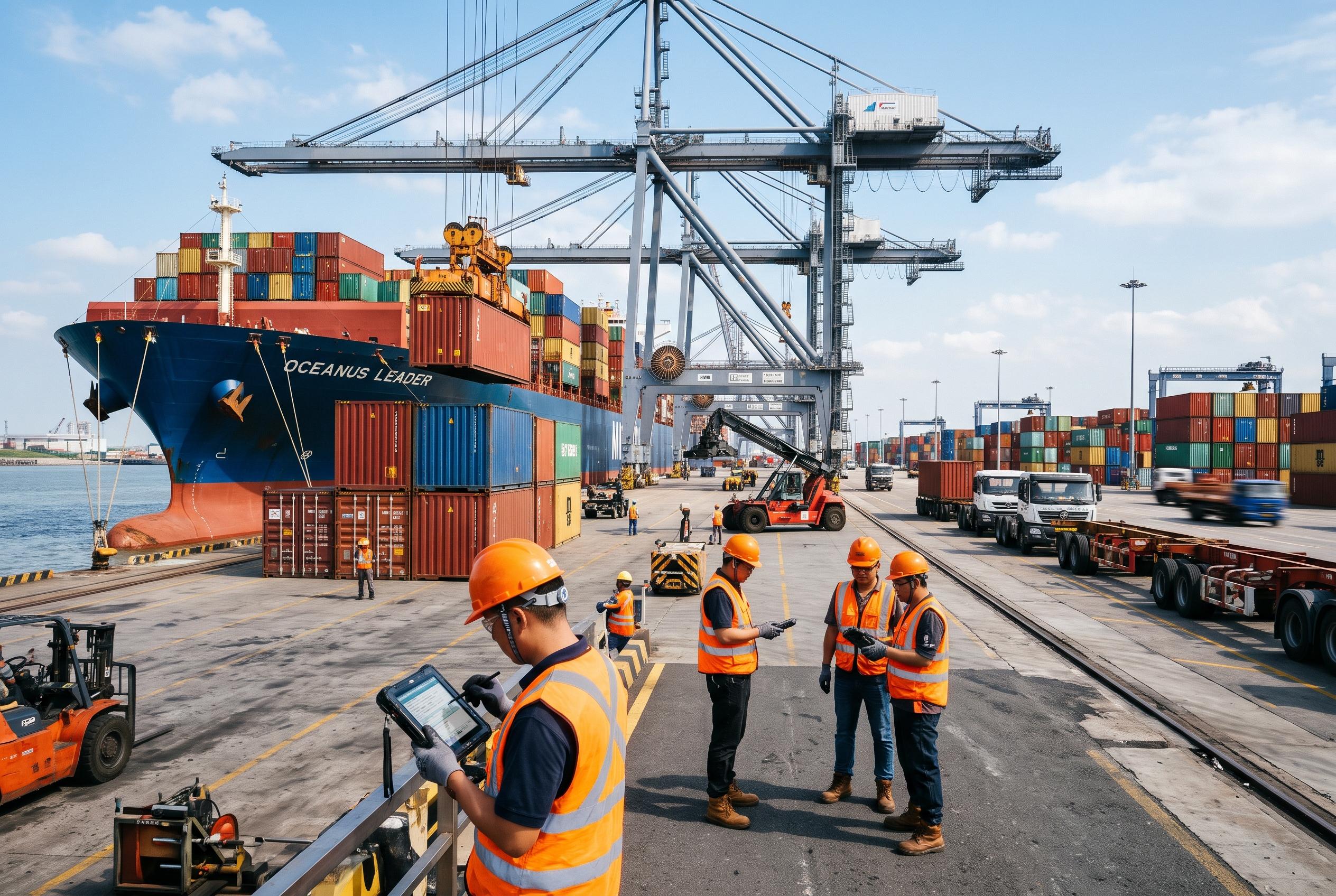

India and Rotterdam officials are examining digital cargo-handling systems to cut paperwork, speed goods releases and reduce ships’ time in port as trade volumes grow.
Indian customs authorities and the Port of Rotterdam are exploring ways to digitise cargo-handling procedures in India, in a move officials say could speed up the release of goods from ports and cut the time ships spend at berth. Piyush Goyal, India’s commerce and industry minister, said the talks followed his meeting with Boudewijn Siemons, chief executive of the Rotterdam port authority, during a visit that highlighted closer cooperation between the two sides.
Goyal said India’s port capacity has doubled over the past decade, but argued that far more expansion will be needed to keep pace with the country’s economic ambitions and rising trade volumes. According to the minister, capacity will need to double twice more by 2047 if ports are to support future growth. That target fits into India’s broader drive to modernise logistics, which has become a central policy priority as congestion, paperwork and slow cargo movement continue to weigh on supply chains.
Reports from NDTV, mid-day and other outlets said the discussions focused on using Rotterdam’s operational experience to improve Indian port efficiency, with a particular emphasis on digital systems that can help move cargo faster and reduce vessel turnaround times. The proposed collaboration also reflects India’s interest in learning from one of Europe’s busiest ports, which is known for advanced cargo handling, integrated logistics and the use of technology to manage traffic flows.
The timing of the talks is also significant because India and the European Union are working towards a free trade agreement that could generate additional cargo flows through the country’s ports. Rotterdam’s role in the discussions suggests India is looking beyond domestic reforms and towards international partnerships as it prepares for a larger share of global trade. Separate reports said the broader agenda also touched on modern terminal operations, green energy and carbon-management technologies, signalling that port digitalisation is increasingly being linked with sustainability and industrial policy.
Disclaimer: This article is intended to inform and educate, not to recommend or endorse any financial product, investment or strategy. Please consider your own financial circumstances and seek professional advice where appropriate before making financial decisions.



