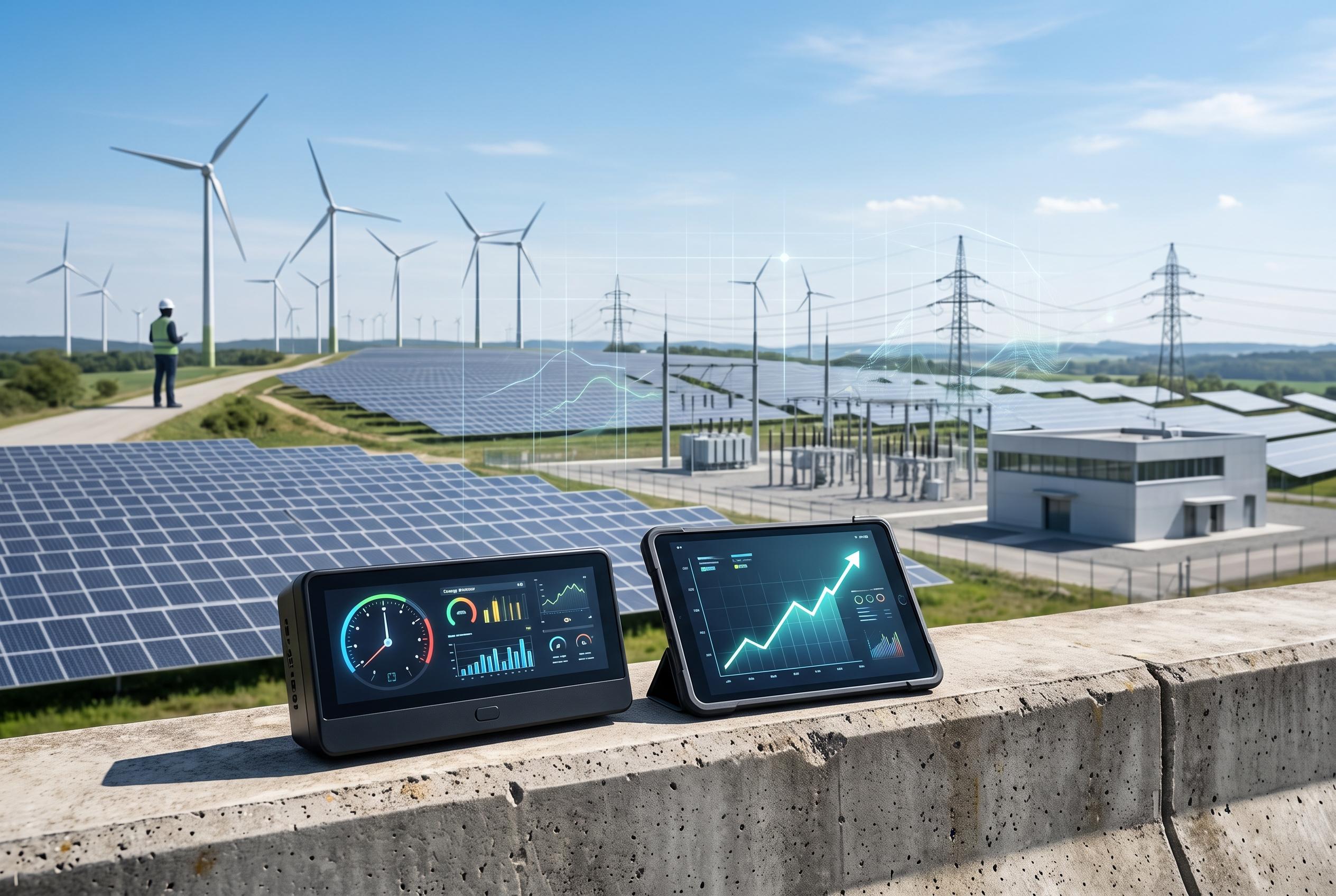

India has crossed a significant milestone by achieving over 300 GW of non-fossil fuel-based electricity capacity, reflecting rapid deployment and a shift towards cleaner energy sources, with accelerating market activity and large-scale investments.
India has crossed 300 GW of non-fossil fuel-based installed electricity capacity, a milestone that marks a major step in its long shift towards cleaner power. Solar Quarter reported that non-fossil sources now total 300.50 GW, lifting them beyond 60% of the country’s 500 GW target for 2030. Solar remains the largest component at 164.59 GW, followed by 58.14 GW of wind, 57.24 GW of large and small hydro, 11.75 GW of bio-power and 8.78 GW of nuclear capacity.
The latest figures also suggest that non-fossil energy now makes up more than 54% of India’s roughly 552 GW installed power base. That is a notable rise from earlier official and industry snapshots. Drishti IAS said India’s non-fossil capacity had reached 242.78 GW by July 2025, while Business Standard reported in June 2025 that nearly half of installed capacity, at 476 GW, came from non-fossil sources. Factodata later put renewable capacity at 279.26 GW in April 2026 and the non-fossil total at 288.035 GW, showing how quickly the sector has expanded.
The pace of deployment is also reflected in the volume of capacity added. SolarQuarter said India added a record 55.29 GW of non-fossil capacity during FY2025-26, underlining the momentum behind solar, wind, hydro and nuclear build-out. The scale of that growth has helped the country move well ahead of its 2030 benchmark, even as the installed base continues to be dominated by a mix of legacy thermal generation and newer clean assets.
Alongside the headline milestone, the market continues to see activity across rooftop solar, decentralised generation, storage and renewable power procurement. SolarQuarter reported that the Solar Energy Corporation of India invited bids for 922.635 kW of grid-connected rooftop solar projects and that the Chhattisgarh State Renewable Energy Development Agency floated a ₹100 crore tender for around 1,000 off-grid solar plants. It also said the Gujarat Electricity Regulatory Commission approved a tariff of ₹4.87 per kWh for Torrent Power’s 250 MW firm and dispatchable renewable energy procurement, while a separate 180 MW/360 MWh battery storage project in Gujarat has sought more time to reach commercial operation.
That broader backdrop points to a market moving beyond simple capacity additions and towards cleaner power that can be delivered more reliably. SolarQuarter also reported a ₹4,859 crore deal in which Purvah Green Power is set to acquire a 1.4 GW renewable portfolio from ReNew, a sign that India’s clean energy sector is becoming more liquid and commercially mature as developers recycle capital and investors chase operating assets.
Disclaimer: This article is intended to inform and educate, not to recommend or endorse any financial product, investment or strategy. Please consider your own financial circumstances and seek professional advice where appropriate before making financial decisions.