

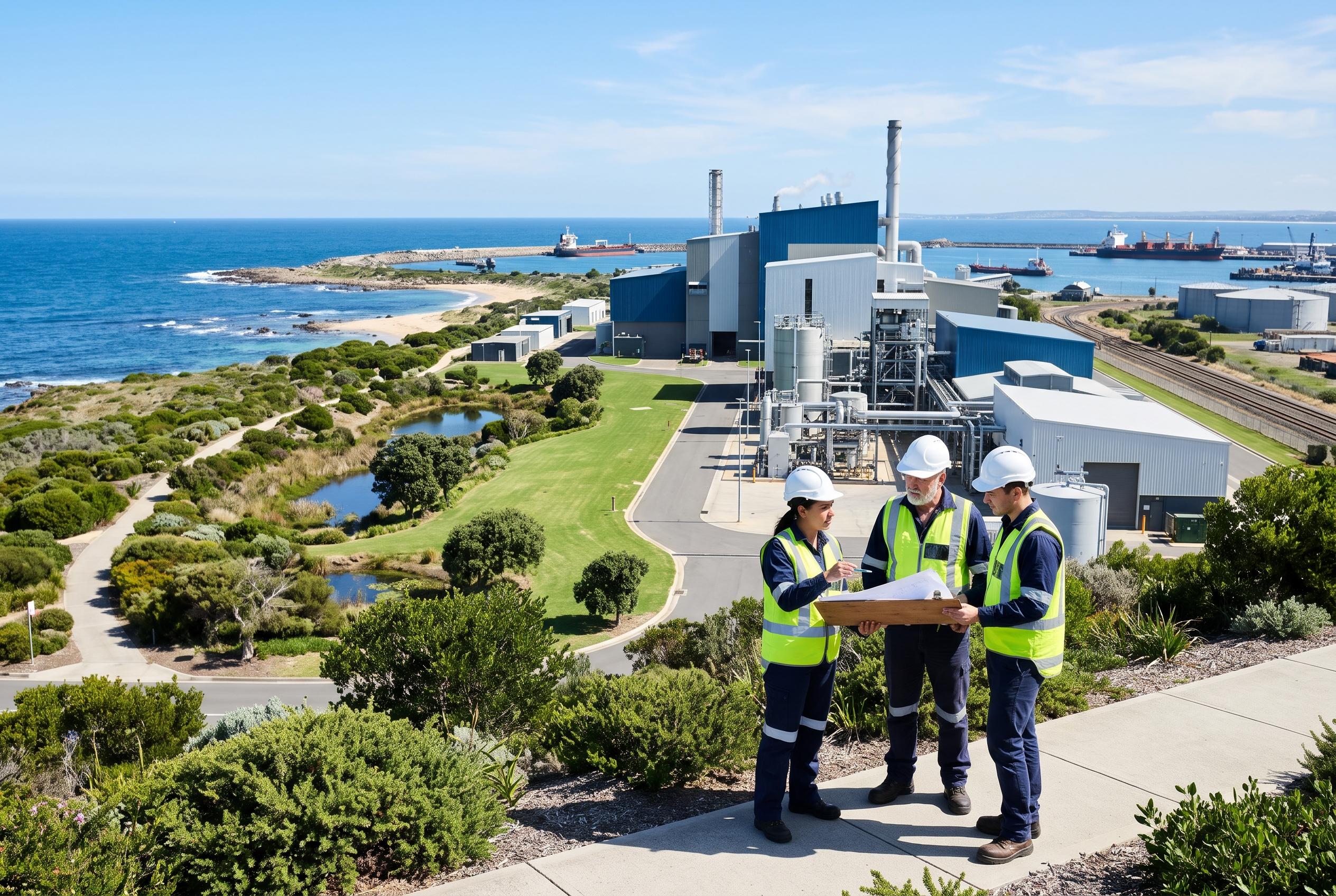

Goa’s 2025 water and air pollution rules extend consent periods, introduce auto-renewals and Tatkal clearances, and ease compliance for smaller businesses while expanding oversight tools.
Goa has moved to overhaul its pollution-control framework with a new set of Water and Air Pollution Control Rules, 2025, replacing the 2021 regime and giving businesses longer consent periods, simpler filing procedures and fee concessions for smaller firms. According to the state’s notification and the Goa State Pollution Control Board’s updated rules, the revised system is designed to cut paperwork while keeping oversight in place.
Under the new framework, Consent to Establish will be valid for five years, while Consent to Operate will run on a lifetime basis, although companies must still pay annual fees. The rules also allow firms to pay in advance for longer periods: five years for Red-category units, 10 years for Orange and 15 years for Green. The board has also introduced auto-renewal for eligible Orange and Green units, subject to investment limits, self-declarations and compliance conditions.
For micro, small and medium enterprises, the changes are meant to reduce the compliance burden. MSMEs will be able to rely on self-certification affidavits instead of Chartered Accountant certificates, and late renewal applications will face additional charges ranging from 25% to 100%. The Goa State Pollution Control Board has also added a Tatkal-style option for faster clearance without a physical inspection, provided applicants pay an extra fee and submit the required ownership papers, statutory permissions and declarations, according to local reporting on the reforms.
The rules go beyond consent procedures. They create a Blue category for waste-management infrastructure, including sewage treatment plants and solid-waste processing facilities, and exempt 61 listed activities from registration requirements, among them fishing, sun-drying of fish, cottage salt production and certain traditional trades and local services. The framework also opens the door to third-party environmental audits and monitoring. That sits alongside the board’s existing wider regulatory role under Goa’s water and air rules, which are aimed at controlling emissions, effluents and waste while supporting industrial compliance.
Disclaimer: This article is intended to inform and educate, not to recommend or endorse any financial product, investment or strategy. Please consider your own financial circumstances and seek professional advice where appropriate before making financial decisions.



