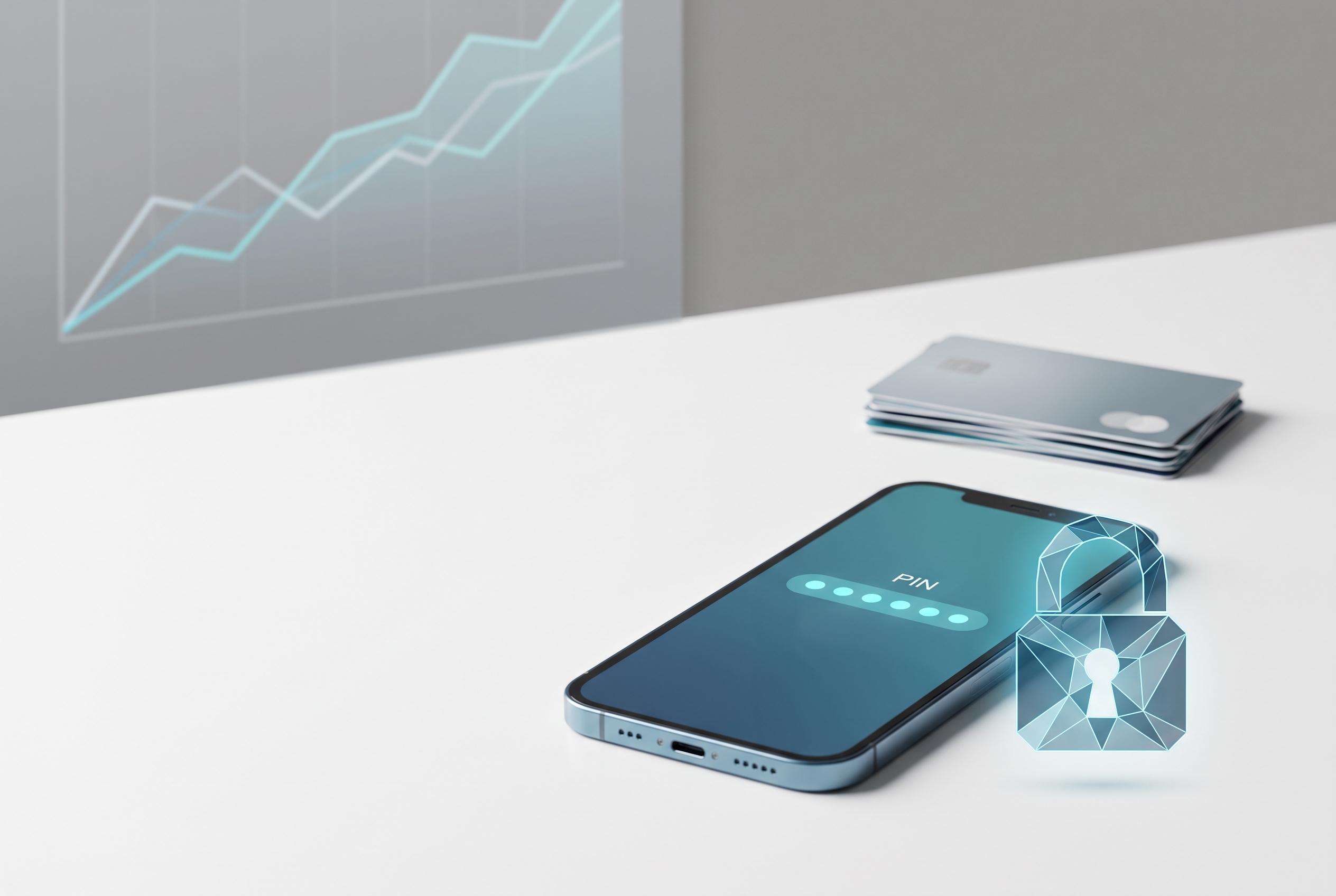

Turkish broadcaster Kanal D highlights how simple four-digit PINs like ‘0000’ and predictable patterns are increasingly vulnerable, prompting security experts to urge users to adopt stronger, unique codes and immediate measures if PINs are suspected to be compromised.
A simple four-digit card PIN can be more dangerous than many users realise, and Turkish broadcaster Kanal D has warned that combinations such as “0000” make life easier for fraudsters. Security specialists say the same caution applies to other obvious choices, including repeated digits, the last four numbers of a phone line and dates that are easy to guess from a person’s public profile.
Prof Dr Ali Murat Kırık, a forensic computing specialist, said brute-force tools can test large numbers of combinations in quick succession until they find the right one. That means weak PINs are often the first to fall, especially when automated software is involved. U.S. Bank gives similar advice to customers, warning against easy sequences such as “0000”, “1234” and “9999”.
The risk is not limited to numbers that look neat or memorable. Analysts quoted by LegalClarity say many people still rely on PINs tied to birthdays, anniversaries or other personal milestones, even though those details can often be pieced together from social media or other publicly available information. The same guidance suggests using a code that is not obvious to anyone who knows the account holder.
Experts also say cardholders should not wait if they suspect a PIN has been exposed. The Federal Trade Commission advises people to report lost or stolen cards immediately and to watch for suspicious activity, while Fidelity says account alerts and close monitoring can help spot fraud early. Kırık said changing a PIN regularly is a sensible precaution and that any sign it may have been seen by someone else should prompt an immediate update. Northwestern University’s secure technology guidance also notes that default PINs are a common weak point and should be replaced with unique codes as soon as possible.
Disclaimer: This article is intended to inform and educate, not to recommend or endorse any financial product, investment or strategy. Please consider your own financial circumstances and seek professional advice where appropriate before making financial decisions.