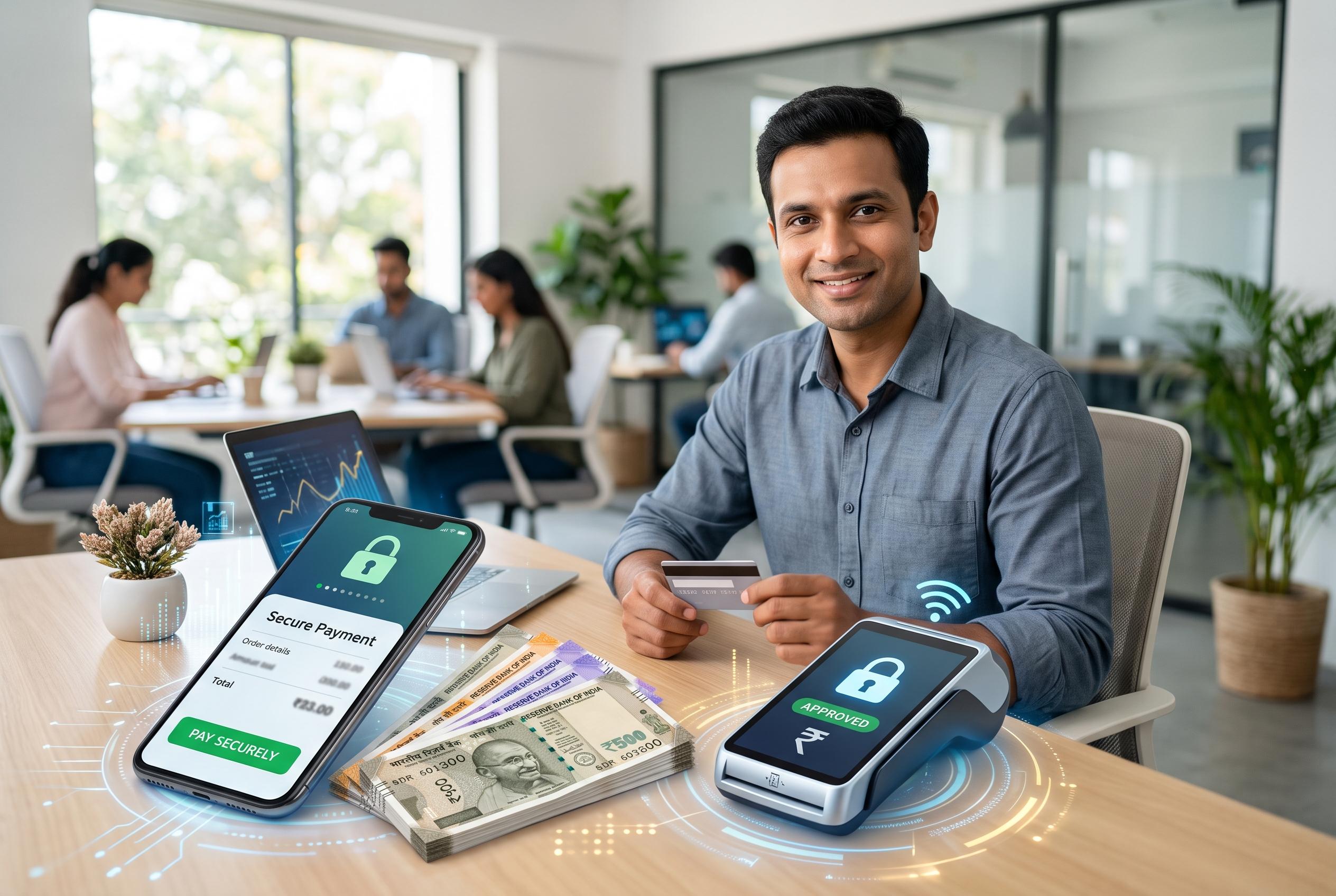

As digital payments surge in India, businesses must prioritise secure and familiar checkout processes to maintain customer confidence, prevent fraud, and boost repeat sales amid rising cyber threats.
Secure payment systems have become a basic requirement for online businesses seeking to win and keep customers’ confidence. PayU argues that a checkout page only needs to feel familiar and dependable for many buyers to complete a purchase, but the stakes are high: one confusing step, one doubtful redirect or one unclear confirmation can be enough to trigger cart abandonment.
That challenge has grown as digital payments have become routine. The National Payments Corporation of India said UPI handled 23.2 billion transactions worth ₹29.9 lakh crore in May 2026, while the Reserve Bank of India’s Digital Payments Index rose 10.75% in March 2025 compared with a year earlier. Reuters has also reported a sharp rise in higher-value cyber frauds in FY2024, underlining how convenience and risk now move together in India’s payments market.
Businesses are being told to treat payment security as part of the customer experience, not just an internal technical concern. PayU says trust rises when shoppers see familiar payment options, clear payment confirmations and visible refund information. Other payment providers, including Payway, ClickWerxs, Unison Payment Solutions and GLC Payments, make similar claims, pointing to encryption, tokenisation, fraud monitoring, 3D Secure, real-time reporting and secure hosted checkout pages as standard protections. PCI Security Standards Council requirements also became stricter in March 2025, adding pressure on merchants that accept or manage card payments.
The practical advice is straightforward: use verified payment links and QR codes, restrict dashboard access to authorised staff, and confirm transactions from the payment system rather than from screenshots sent by customers. Businesses are also being urged to train employees to spot phishing, fake refund requests and other scams. PayU says its own platform brings transaction tracking, refund visibility and settlement reporting into one dashboard, which can reduce manual errors when order volumes rise.
For ecommerce sellers in particular, payment security now plays a direct role in conversion and repeat business. A shopper who feels safe at checkout is more likely to finish the purchase and come back later, while a buyer who hesitates over payment details may abandon the basket even if the product itself looks appealing. In that sense, secure payment processing is no longer just a back-office safeguard; it is part of how a business builds trust at the moment money changes hands.
Disclaimer: This article is intended to inform and educate, not to recommend or endorse any financial product, investment or strategy. Please consider your own financial circumstances and seek professional advice where appropriate before making financial decisions.