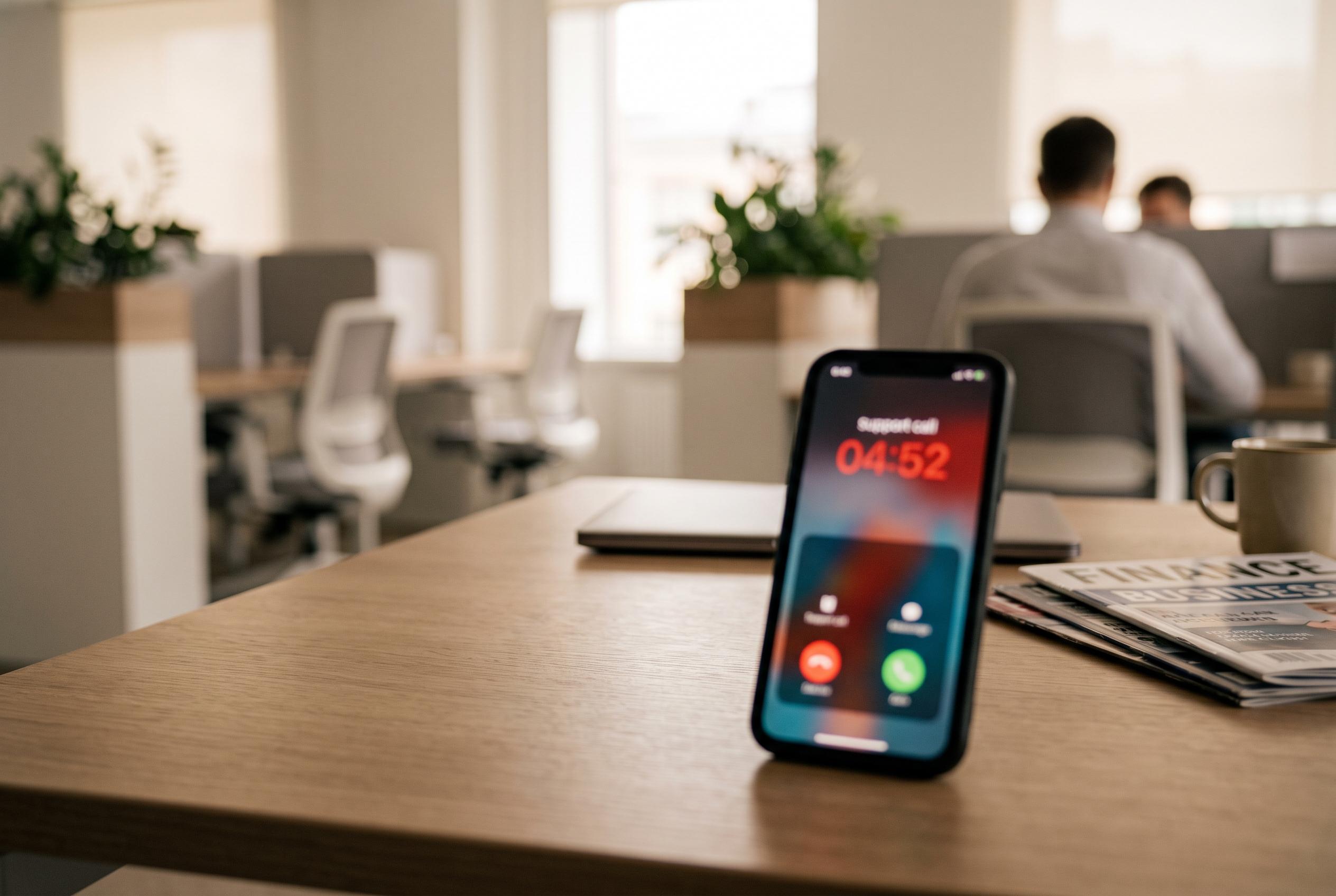

A new wave of Apple Pay-themed text scams employs shock tactics and countdown timers to deceive users into calling fake support lines, exposing a rising threat in mobile payment fraud.
A new Apple Pay-themed text scam is using shock tactics to push people into calling a fake support line, according to Fox News’ CyberGuy Kurt Knutsson. In one case highlighted by MacDailyNews, a Washington, D.C., resident received a message claiming that Apple Pay had already charged $8,250 and that another identical payment would be processed in 35 minutes unless he acted at once. The message was designed to sound official, but it was really a classic callback scam meant to trigger panic and draw the target towards criminals posing as support staff.
The message was riddled with warning signs. It came from a UK number but sent the recipient to a separate 855 callback line, used exaggerated language that no legitimate bank or payment service would choose and included odd merchant descriptions that did not add up. It also pushed the victim towards one path only: calling the number in the text. Security sites that track these scams say that is the whole point, because a countdown clock and dramatic language are meant to stop people thinking clearly and verifying the alert through normal channels.
According to guides from Apple community pages and fraud-monitoring sites, Apple will not demand that users call random numbers to confirm a payment issue, nor will it ask for passwords, verification codes or other sensitive details by text. Legitimate checks should be made through the Wallet app, a bank’s own app or the customer-service number printed on the physical card. Fraud experts also note that Apple Wallet may not always show every transaction, which makes the card issuer’s records an important back-up check.
If a similar message arrives, the safest response is to take a screenshot, mark the text as junk, block the sender and delete it. Users can also forward spam texts to 7726, send phishing screenshots to Apple and report the incident to the US Federal Trade Commission. Anyone who already called the number should contact the bank or card issuer immediately, change any compromised passwords and remove any remote-access software that may have been installed. The wider lesson is simple: real fraud alerts do not reward haste, and a pause is often the best protection.
Disclaimer: This article is intended to inform and educate, not to recommend or endorse any financial product, investment or strategy. Please consider your own financial circumstances and seek professional advice where appropriate before making financial decisions.