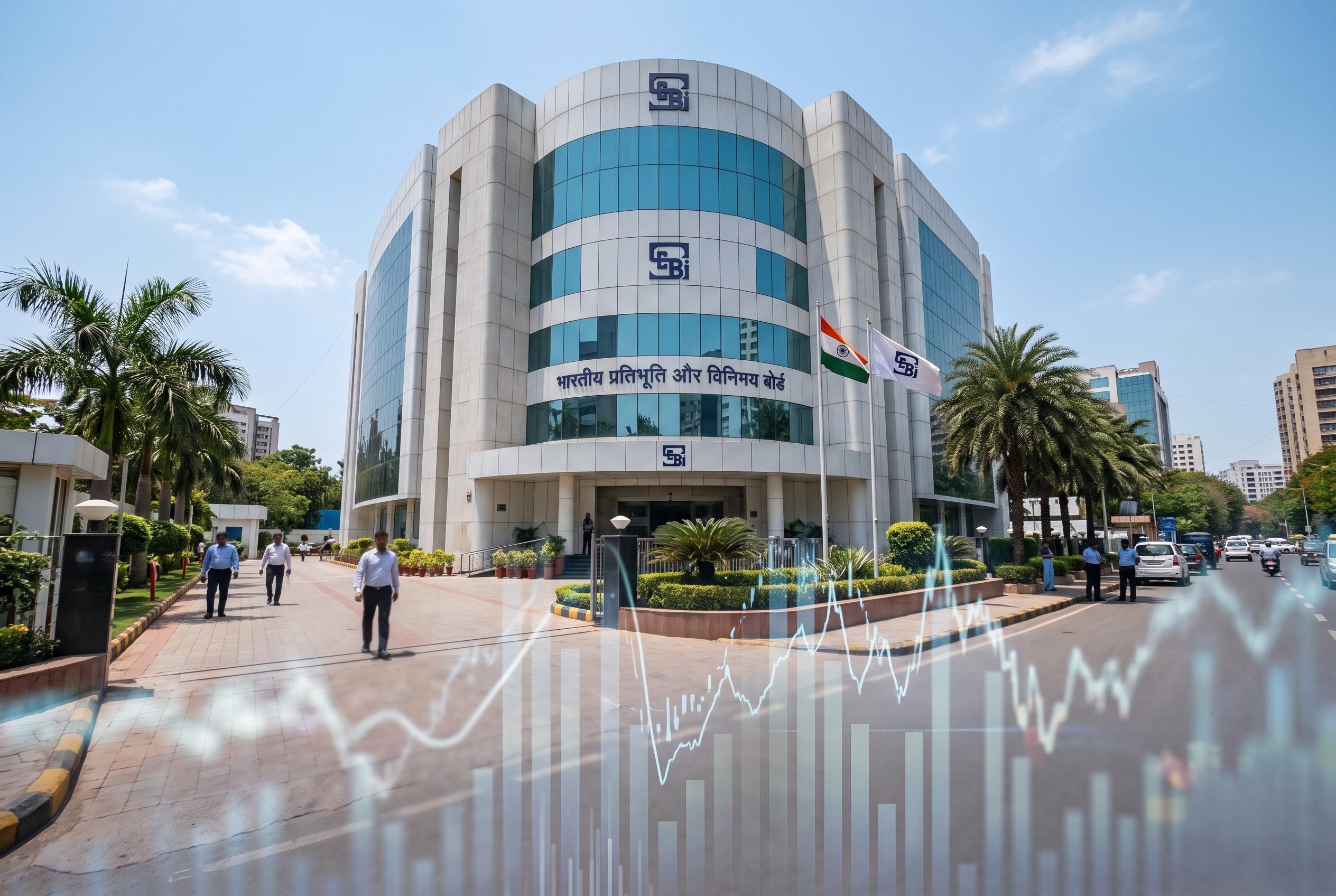

India’s markets regulator, SEBI, is probing trading activity during the first two days of the newly introduced Closing Auction Session, amid concerns over potential market manipulation following sharp price swings at the close.
India’s markets regulator is examining trading in the first two days of the new Closing Auction Session, or CAS, after sharp moves at the close raised questions about whether prices reflected normal supply and demand or attempted influence, Moneycontrol reported on August 10. The Securities and Exchange Board of India introduced CAS on August 3 as part of a broader shift in how closing prices are set for stocks in the equity cash segment, replacing the earlier mechanism with a single auction intended to improve price discovery. (moneycontrol.com)
The probe centres on trades executed on August 3 and 4, according to Moneycontrol, with SEBI looking for signs that participants may have tried to shape the closing print. That scrutiny comes only days after the system went live and underlines the regulator’s concern that the new structure must not be distorted at a point in the day when benchmark prices can influence derivatives, funds and related trading activity. (zerodha.com)
CAS was introduced after a SEBI consultation process that said the change should improve execution certainty and strengthen market integrity by bringing eligible orders into a common auction pool near the close. In practice, the early sessions have already shown how sensitive the auction can be, with even small imbalances producing sharp price swings as the market adjusts to the new rules. (sebi.gov.in)
Disclaimer: This article is intended to inform and educate, not to recommend or endorse any financial product, investment or strategy. Please consider your own financial circumstances and seek professional advice where appropriate before making financial decisions.