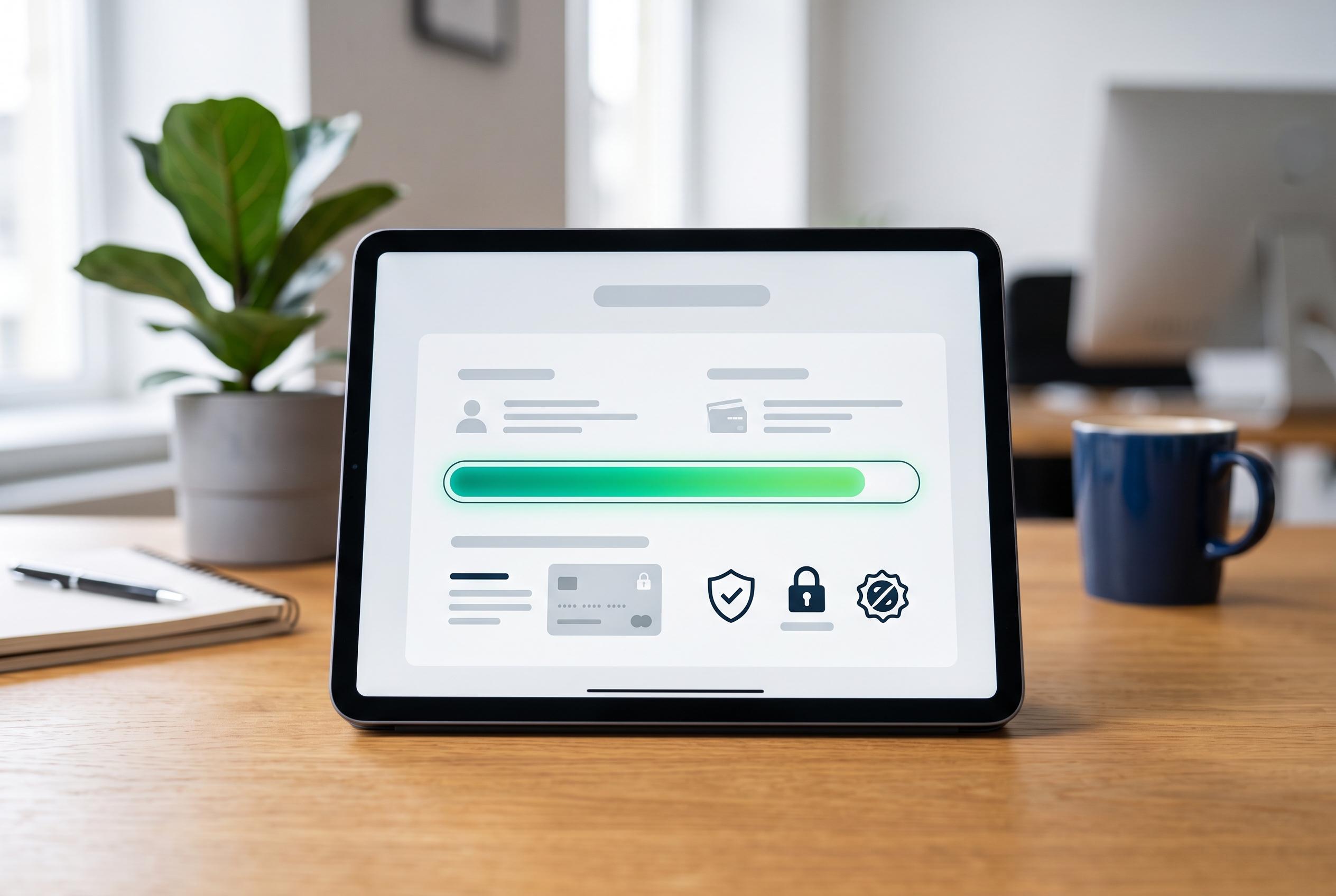

Consumers demand quick, clear, and secure checkout processes, prompting retailers to optimise payment integrations that balance speed, security, and compliance across varied markets and devices.
A retailer can spend heavily on bringing shoppers to a website and still lose the sale at the last hurdle. According to Shopify, payment gateway integration affects not only whether a transaction goes through but also conversion, security and operating costs. PayPal has said a satisfying checkout experience matters greatly to repeat business, with 91% of consumers viewing it as essential to whether they return to a retailer.
The central lesson is that checkout must feel quick, clear and dependable. Manhattan Associates says shoppers now expect speed without friction, with mobile use, personalisation and a simpler path to payment all shaping their tolerance for delays. That means short forms, clear error messages, support for preferred payment methods and a design that works cleanly on smartphones as well as desktop screens. If a process is slow or confusing, customers are more likely to abandon their basket and may not come back.
Security remains just as important as convenience. Industry guidance from Shopify, Vodien and Paytia stresses the need for PCI DSS compliance, encryption, tokenisation, fraud detection and strong access controls. PCI DSS, the Payment Card Industry Data Security Standard, sets out how card data should be stored, transmitted and processed. Tokenisation replaces sensitive card details with a substitute value, reducing the amount of payment data a business has to hold itself.
The best payment setup is one that fits both the business model and the market it serves. For sellers in India, that often means UPI, buy-now-pay-later options and major debit and credit cards. For subscription businesses, recurring billing is essential, while companies aiming overseas need support for international payments and transparent foreign transaction fees. BodhiStack and Paytia both note that testing is critical before launch and after updates, particularly to catch failed transactions, integration errors and data mismatches before they reach customers.
Disclaimer: This article is intended to inform and educate, not to recommend or endorse any financial product, investment or strategy. Please consider your own financial circumstances and seek professional advice where appropriate before making financial decisions.