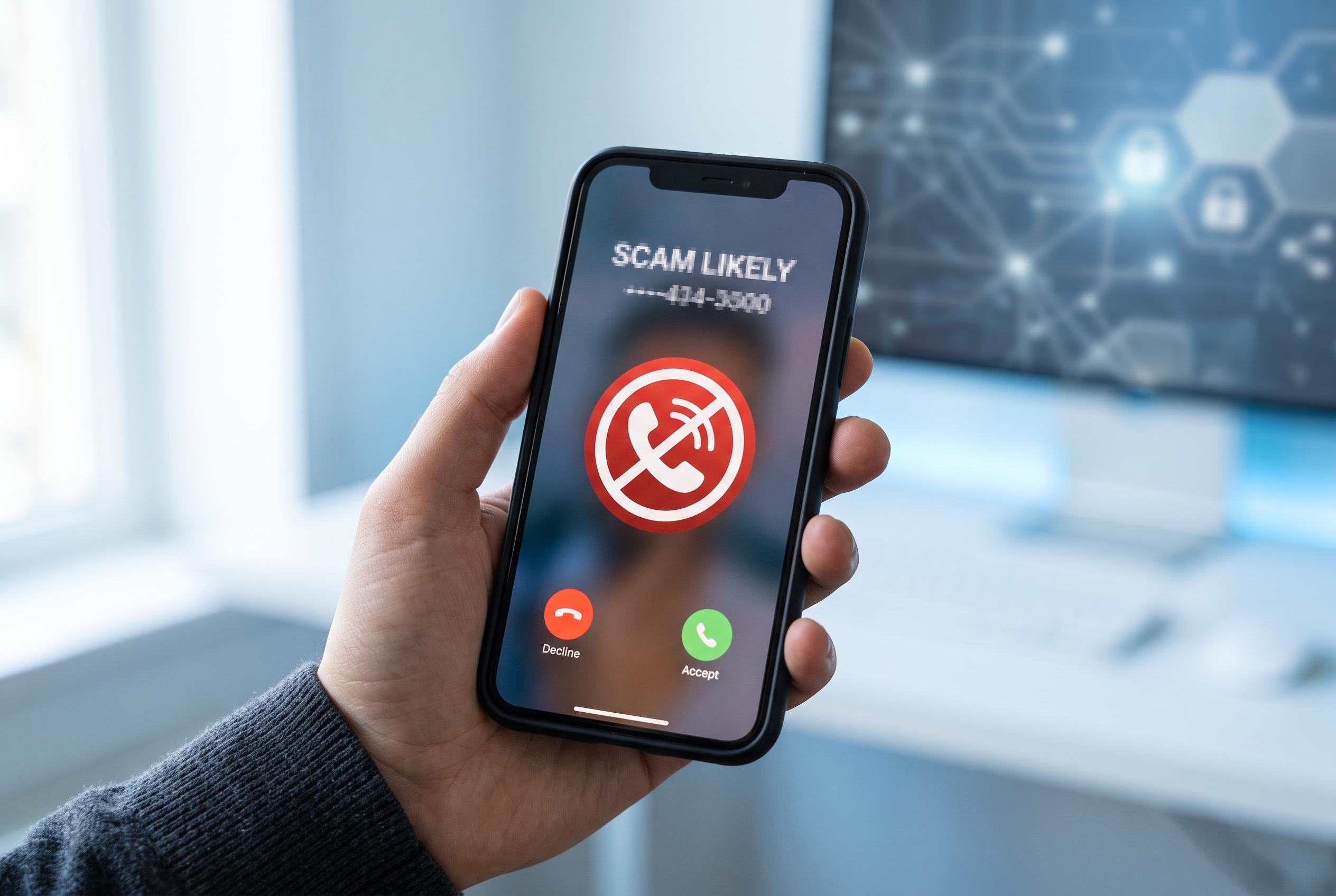

Despite improved in-built features on Android and iPhones, the volume of spam calls, driven by fake prize draws and scam attempts, remains alarmingly high, with over half a million recorded by Clever Dialer in April 2026 alone.
Spam calls continue to blight smartphone users, with Clever Dialer saying it recorded more than 585,000 in April 2026 alone. The latest figures suggest the problem is still being driven by a familiar mix of fake prize draws, debt threats and other attempts to pressure people into handing over personal data or money.
Clever Dialer’s earlier monthly checks point to a volatile but persistent pattern. The company said it counted 619,660 spam calls in March 2026, before the total fell to 518,640 in May, with bogus prize notifications again emerging as the most common scam. Even with that drop, the volume remained high enough to show how routinely these calls are still landing on mobile phones.
Phone makers now build in more defences than many users realise. On Android, Samsung’s Smart Call can flag suspicious numbers as possible spam or fraud, while Google’s Pixel phones offer a call-screening option that answers unknown callers and shows a transcript of what they say. Google has also signalled a new layer of protection aimed at bank impersonation scams, using app-to-app checks to help spot spoofed calls, although that feature is expected to work only with partner banks at launch, including Revolut, Itaú and Nubank.
Apple has its own set of tools on iPhones. Users can enable caller identification, which can draw on third-party apps, mobile networks or Apple Business Connect, and can also turn on call filtering so unknown callers are screened before the phone rings through. iPhone owners can further silence unfamiliar numbers and route suspected spam away from normal calls, reducing the chances of being interrupted in the first place.
For people who want a broader net, apps such as Clever Dialer and Tellows rely on community reports to label suspicious numbers and help users block them. That may be especially useful where a handset’s built-in features are limited or unavailable. The main lesson from the latest data is simple: scam calls are still coming in at scale, and the most effective response is usually a combination of phone settings, caller screening and quick blocking.
Disclaimer: This article is intended to inform and educate, not to recommend or endorse any financial product, investment or strategy. Please consider your own financial circumstances and seek professional advice where appropriate before making financial decisions.