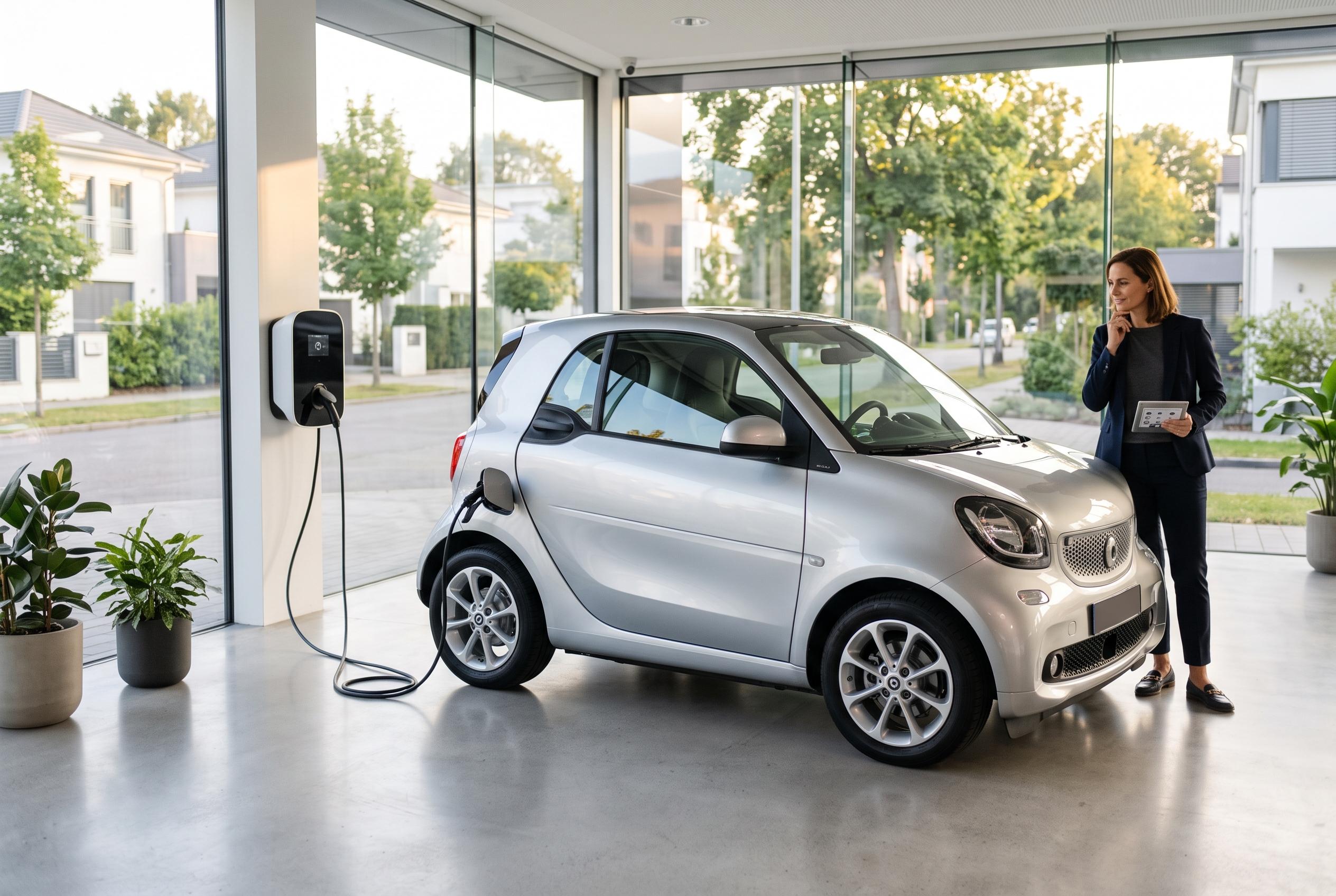

Choosing the right vehicle involves more than the initial price; prospective buyers should weigh ongoing costs, usage needs, and vehicle condition to avoid long-term expenses and make informed decisions.
Choosing a car wisely is about far more than the sticker price. As the source article notes, buyers need to account for fuel, servicing, insurance, registration and other running costs before committing to a purchase, because a cheap vehicle can become expensive if its day-to-day costs are high.
A sensible first step is to set a firm budget and work out what the car will really cost over time. Consumer-focused guides from DecisionGrid, The Motor Crunch and Formulo all stress total ownership costs rather than the initial price alone, pointing to depreciation, maintenance, insurance and fuel as the main items that shape the long-term bill. Some advisers also suggest keeping monthly vehicle costs within a fixed share of take-home pay so that the purchase does not strain household finances.
The next consideration is how the vehicle will actually be used. Consumer Reports says the right choice depends on lifestyle, family size, commuting patterns and whether the buyer wants a new or used model. A small, economical car may suit city driving, while larger vehicles can make more sense for family travel or longer journeys, provided the added space does not bring unnecessary expense.
For used cars, the condition of the vehicle matters as much as the asking price. The source article recommends checking the engine, transmission, brakes, tyres, suspension and electrical systems, and specialists also advise reviewing service history, accident records and the availability of spare parts. That kind of inspection can help avoid costly repairs after purchase, particularly when the buyer is working with a limited budget.
Comparing several models side by side is often the best way to find value. Buyers should weigh fuel economy, maintenance costs, safety, parts availability and likely resale value before deciding. Consumer advice sources say this broader view helps people avoid short-term bargains that turn into long-term burdens, and it also makes it easier to choose a car that fits both current needs and future financial plans.
Disclaimer: This article is intended to inform and educate, not to recommend or endorse any financial product, investment or strategy. Please consider your own financial circumstances and seek professional advice where appropriate before making financial decisions.