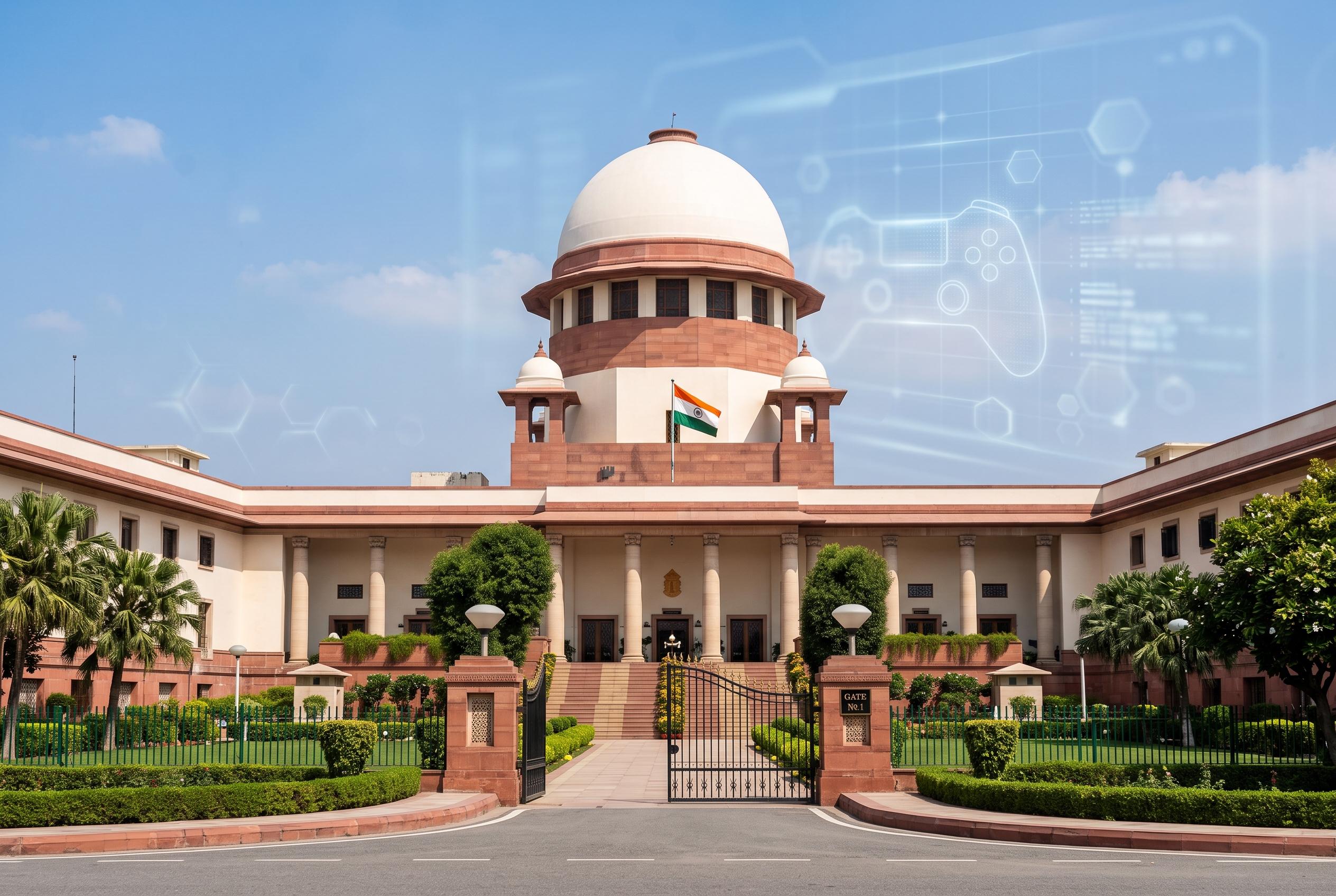

India’s Supreme Court is moving towards a decisive hearing on the constitutionality of the 2025 online gaming ban, a case that has significant implications for the sector amid ongoing regulatory crackdowns and industry concerns.
India’s Supreme Court has moved a major challenge to the country’s online gaming ban towards final arguments, setting up a decisive hearing in a case that has hovered over the sector for months. A three-judge bench led by Chief Justice Surya Kant said the court would hear the constitutional challenge to the Promotion and Regulation of Online Gaming Act, 2025, after the matter had been stalled since December because of its complexity.
The law, which took effect on May 1, 2026, bans online real-money gaming across India whether the game is based on skill or chance. According to the petitioners, that sweeping approach violates the constitutional right to conduct business and unfairly catches skill-based games in the same net as gambling. Industry players have argued the measure has effectively paralysed a large part of the sector, while the government maintains the legislation is needed to curb harmful betting activity.
The court has also ordered the parties to complete written submissions, including from Solicitor General Tushar Mehta on behalf of the Union government. In parallel, it agreed to hear a separate public interest petition from the Centre for Accountability and Systemic Change, which says as many as 2,000 gaming apps are operating illegal betting and gambling businesses while posing as social games or esports. Advocate Virag Gupta told the court that a previous bench had already asked the government to respond to the issue, and the petitioners want stronger enforcement against platforms they say are causing social and economic damage.
The legal fight sits against a broader crackdown on online gaming in India. Parliament passed the law on August 21, 2025 and the president signed it the following day. Violations are non-bailable and can attract fines of up to 10 million rupees, or about $120,000. The dispute also follows an earlier Supreme Court ruling, reported by Business Standard in May, upholding the Centre’s retrospective 28% goods and services tax on real-money gaming and affirming states’ power to ban betting and gambling, including on games of skill. That decision has given the government’s case added weight as the court now prepares to hear the latest challenge in full.
Disclaimer: This article is intended to inform and educate, not to recommend or endorse any financial product, investment or strategy. Please consider your own financial circumstances and seek professional advice where appropriate before making financial decisions.