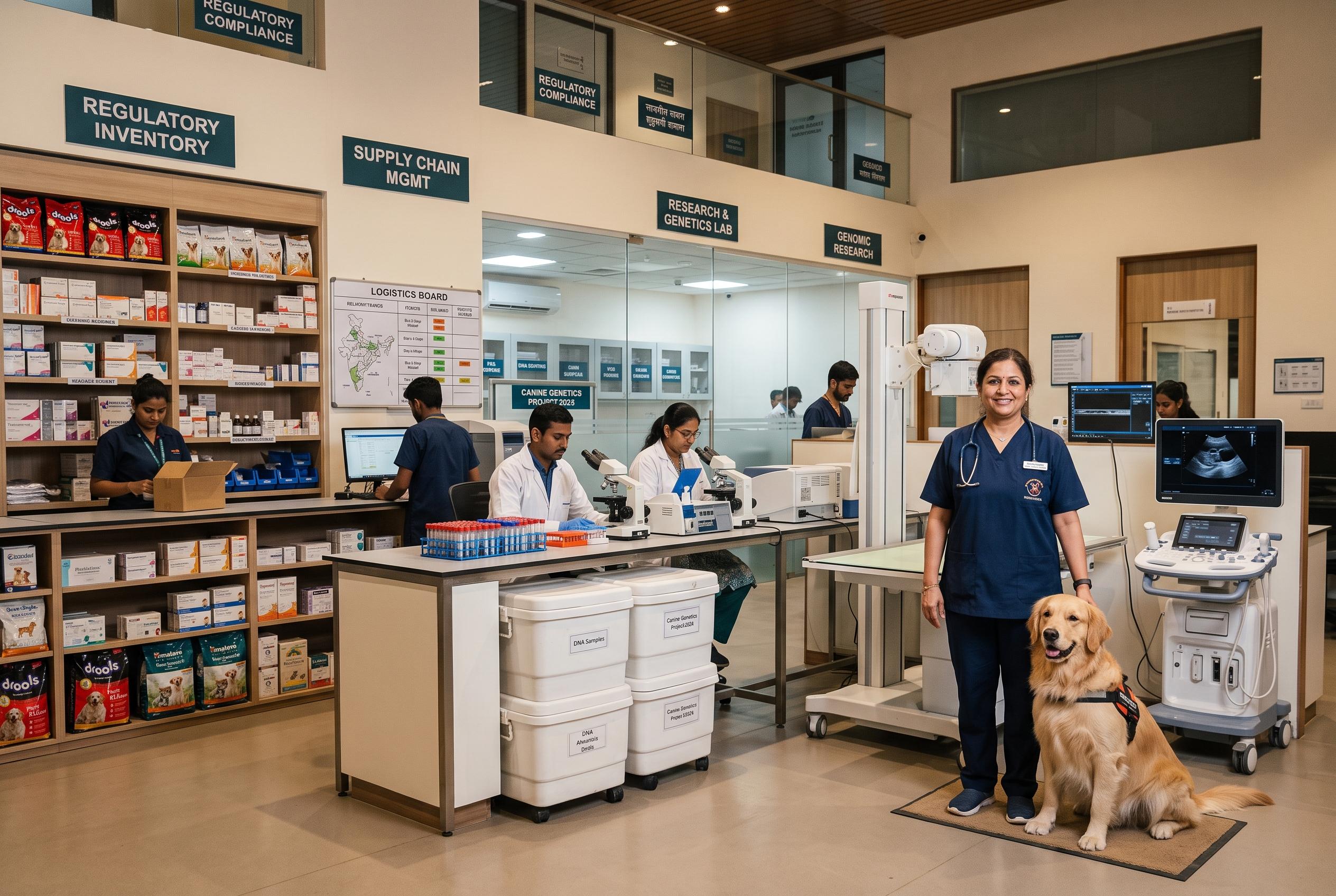

India’s pet care industry is evolving into a more structured sector, with officials emphasising the need for stronger regulation, research, and infrastructure to support its rapid expansion and responsible development amid rising pet ownership.
India’s pet care industry is entering a more formal phase of growth, with policymakers, veterinarians and business leaders increasingly treating it as a serious economic and public health sector rather than a niche consumer category. At the inaugural CII India Petcare Summit in New Delhi on August 5, officials argued that the market’s expansion must be matched by stronger science, better regulation and wider veterinary capacity if it is to deliver lasting benefits for animals and owners alike.
Dr. Naveena B. Maheswarappa, the animal husbandry commissioner in India’s Department of Animal Husbandry and Dairying, said the sector’s promise lies in innovation, jobs and improved welfare, but only if it is built on evidence-based policy and responsible ownership. He pointed to an estimated 40 million to 50 million companion animals and 60 million to 70 million free-roaming dogs in India, underscoring the scale of the challenge. Industry reports cited by LiveMint suggest the pet care market is already drawing major consumer goods companies and could grow to about ₹35,000 crore as spending rises on premium nutrition and healthcare. LiveMint has also reported that India may account for roughly 20% of emerging-market pet adoption growth over the next five years, reflecting a shift towards first-time pet parents seeking better food and services.
The summit placed particular emphasis on pet nutrition and veterinary infrastructure. Dr. Maheswarappa called for more research and development, clearer labelling and greater use of domestic raw materials, while also urging the sector to reduce reliance on imports under the Make in India push. He said India needs a stronger veterinary ecosystem, including more specialised hospitals, better training for para-professionals and wider use of telemedicine, remote diagnostics and digital tools. He also backed public-private partnerships, pet insurance and stronger awareness of zoonotic diseases through the One Health approach, which links animal, human and environmental health.
Maneka Sanjay Gandhi, chairperson of People for Animals, said the industry should be judged not only by commercial growth but also by its contribution to welfare, public health and urban planning. Arun Atrey, chairman of CII’s National Task Force on Animal Wellbeing and managing director of Zenex Animal Health, said changing lifestyles and rising pet ownership are accelerating demand for diagnostics, preventive care, retail and specialist services. He also pointed to technologies such as artificial intelligence, wearable health devices and teleconsultation platforms as tools that could widen access to care. The broader market is attracting new business interest too, with industry reports saying PetBridge, a new B2B trade platform for India’s pet sector, is due to launch in Mumbai in November to link local firms with global partners.
Disclaimer: This article is intended to inform and educate, not to recommend or endorse any financial product, investment or strategy. Please consider your own financial circumstances and seek professional advice where appropriate before making financial decisions.