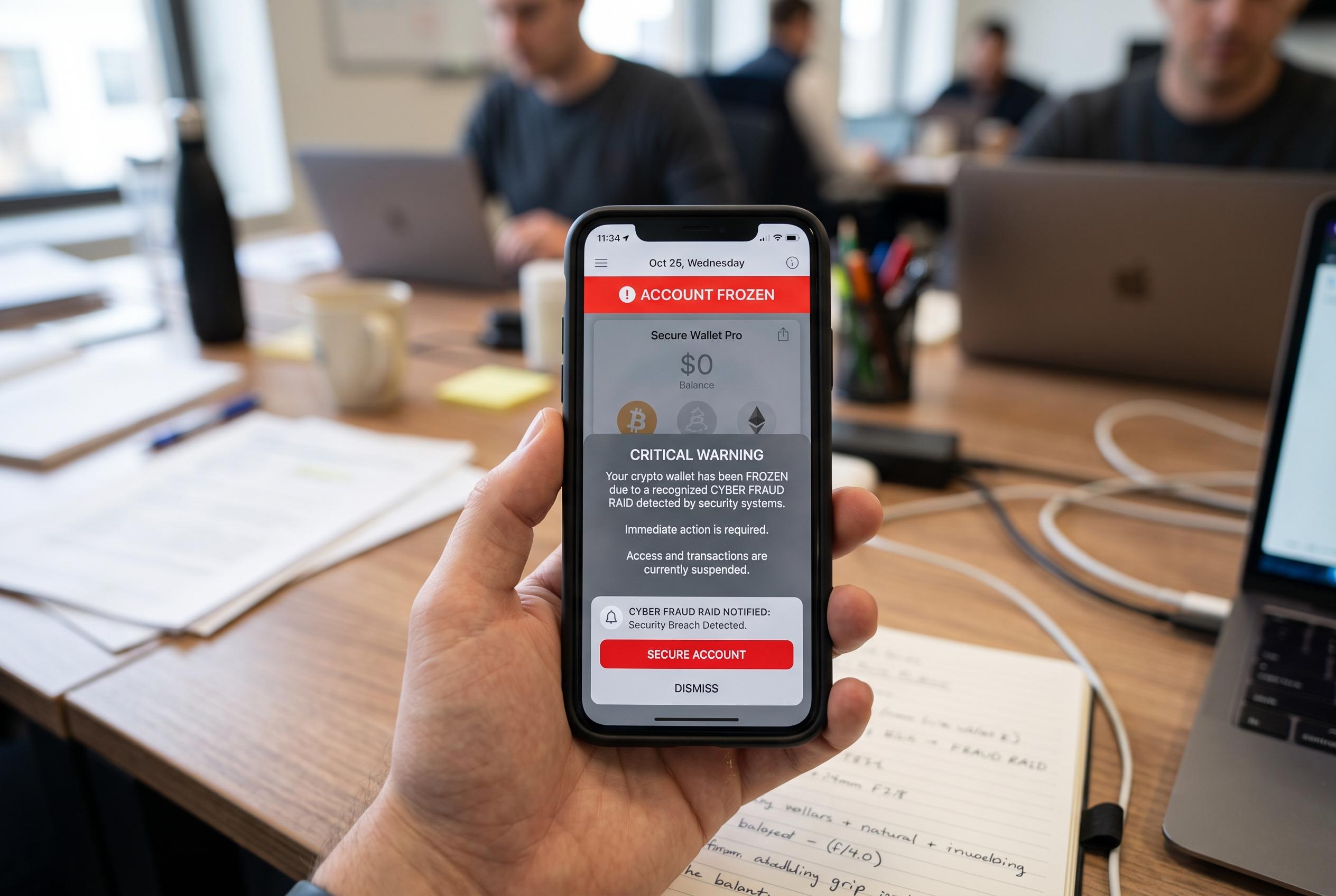

A Canacona resident’s alleged involvement in a cryptocurrency scam has led to the freezing of two bank accounts after authorities traced suspicious transfers to cyber fraud proceeds, highlighting a rising trend of crypto-related scams across India and beyond.
A Canacona resident has complained that he was drawn into a bogus cryptocurrency investment scheme that left two bank accounts frozen after investigators traced suspected cyber fraud proceeds to them, according to Digital Goa. The complaint alleges that the accused promised profits from a crypto business, persuaded him to buy digital currency and then induced him to share details of an HDFC Bank account and another person’s account so investor money could be received.
The case fits a pattern seen in a string of recent crypto-related frauds across India and abroad. The Tribune India reported in April that a Ludhiana industrialist was cheated out of nearly ₹20 crore in an operation that began on Facebook and moved to WhatsApp, where fraudsters posed as customer care staff for a cryptocurrency exchange. Police said the case appeared to involve a coordinated network using fake identities, spoofed platforms and numerous mule accounts.
Other investigations show how these schemes can spread beyond simple investment pitches. In November, The Cryptotimes reported that the Enforcement Directorate froze ₹8.46 crore across 92 bank accounts in a cyber fraud probe that also touched crypto trading platforms, with some funds converted into USDT and moved through digital channels. In the United States, prosecutors and court filings have described comparable methods, including “pig butchering” scams in which fraudsters groom victims over time before pushing them to hand over large sums.
For victims, the damage is often compounded by account freezes, clawbacks and criminal investigations that follow the movement of tainted funds. In the Goa case, the immediate consequence was the lien placed on the two bank accounts after suspicious transfers were detected, underlining how quickly a supposed investment opportunity can turn into a financial and legal trap.
Disclaimer: This article is intended to inform and educate, not to recommend or endorse any financial product, investment or strategy. Please consider your own financial circumstances and seek professional advice where appropriate before making financial decisions.