

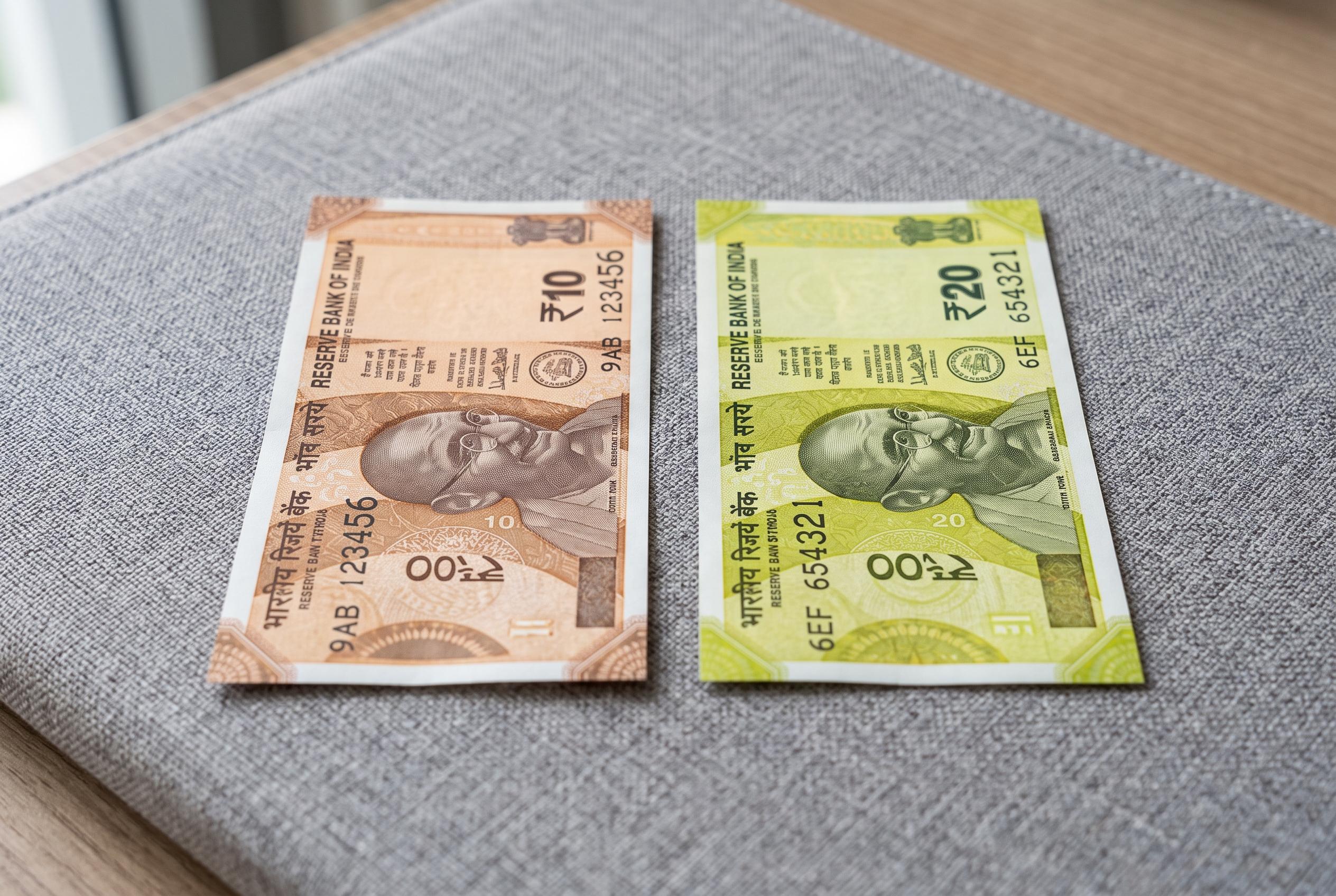

India has commenced field trials of ₹10 and ₹20 polymer banknotes to assess their resilience, security features, and cost-efficiency, marking a shift towards international best practices in currency durability.
India has approved field trials of polymer ₹10 and ₹20 banknotes, a move aimed at testing whether the notes can better withstand everyday wear, humid weather and repeated handling while also lowering replacement costs. According to reporting carried by India Today and echoed in the materials provided, the Reserve Bank of India plans to assess 2 billion notes under varying conditions, with the paper version continuing to circulate alongside them. The government has also pushed back against viral claims that all paper notes would be phased out by June 30, 2026, saying those rumours were false.
The trial reflects a broader international shift towards polymer currency, which is already used in countries including Australia, Canada, the UK and New Zealand. Polymer notes, made from a specialised plastic film known as biaxially oriented polypropylene, are generally designed to last longer than paper notes and to resist moisture, heat and tearing more effectively. Supporters also argue that the format can carry advanced security features and may reduce long-term printing and disposal costs, although the balance of those savings will depend on how the notes perform in real-world use.
Still, the move is not without complications. Public familiarity is likely to be one issue, since polymer notes feel different in the hand, while recycling and disposal can require specialist processes. There is also the question of whether counterfeiters will adapt quickly to the new format. For now, though, the Indian authorities appear to be treating the exercise as a test rather than a transition, with no immediate change for users of existing paper currency and no indication that digital payments will be affected.
Disclaimer: This article is intended to inform and educate, not to recommend or endorse any financial product, investment or strategy. Please consider your own financial circumstances and seek professional advice where appropriate before making financial decisions.



