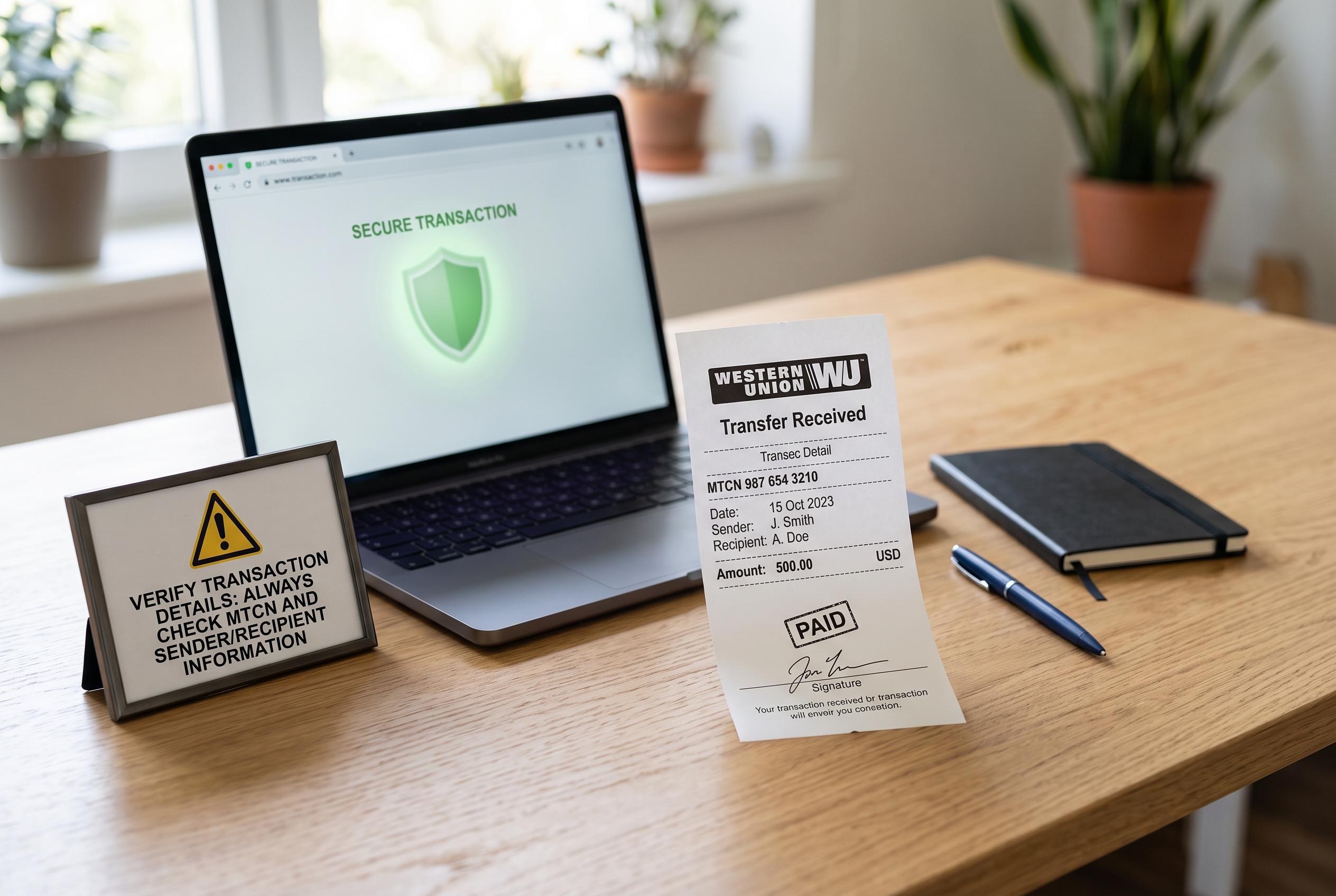

Western Union’s widespread use for cross-border money transfers has become a target for fraudsters, prompting urgent advice on how to minimise losses and understand refund limitations amid increasing scam threats.
Western Union has long been used by people sending money across borders, but its speed and reach have also made it attractive to fraudsters. The safest rule remains simple: once money has gone to a scammer and been collected, recovery is often difficult. Western Union’s own fraud resources stress that sending funds should be limited to people you know and trust, while the Federal Trade Commission says refund options are limited and depend on how quickly the problem is reported.
If a transfer has just been sent and has not yet been picked up, immediate action matters. Western Union says consumers should use its fraud-reporting channels as soon as they suspect a scam, because uncollected funds may sometimes be stopped or cancelled. The FTC has also warned that consumers should be wary of unsolicited emails promising refunds, since legitimate claims are not handled that way.
There is also a separate refund programme for people who sent money to scammers through Western Union between January 1, 2004, and January 19, 2017. The FTC says the Justice Department has been distributing nearly $40 million to about 25,000 people in the US and abroad, with claims handled by the court-appointed administrator rather than by email or third-party offers. The FTC later extended the filing deadline to August 31, 2022, underscoring that the programme was time-limited and tightly controlled.
For consumers trying to limit losses, the main steps are to gather the transfer details, report the matter to Western Union, notify a bank or card issuer if one was used, and file a police report. But the most important lesson is preventive: do not send money to strangers, ignore pressure to act quickly, and treat any request for payment by money transfer as a warning sign unless you can verify it independently.
Disclaimer: This article is intended to inform and educate, not to recommend or endorse any financial product, investment or strategy. Please consider your own financial circumstances and seek professional advice where appropriate before making financial decisions.