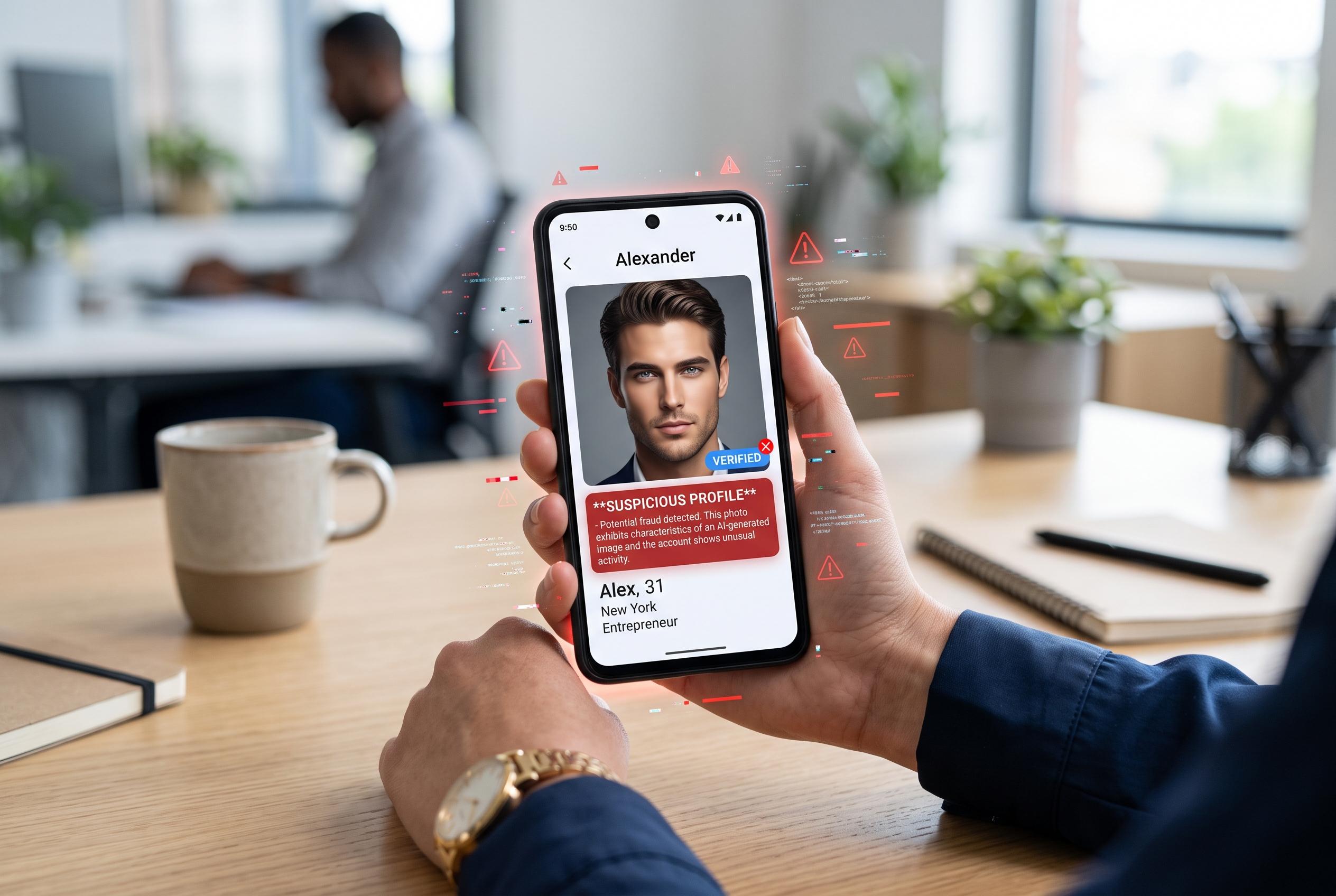

Fraudsters in the online dating scene are adopting more sophisticated methods, including fake verification services and AI-generated profiles, making scams harder to spot and increasing risks for users worldwide.
The modern dating scam no longer looks like the obvious con artist of popular imagination. Fraudsters now spend time polishing profiles, copying a target’s language and delaying any request for money or personal details until trust has been built. That shift matters because the old giveaways are less reliable, and the warning signs are often wrapped in behaviour that feels careful, patient and believable.
One of the most effective new tricks is the bogus verification step. According to the FBI, scammers have been steering dating app users to fake outside services that claim to check whether a person is genuine. The pitch usually sounds harmless enough, but it can lead to the collection of email addresses, phone numbers and card details, which may then be used for identity theft or sold on. Legitimate platforms, the bureau says, handle verification within their own systems rather than sending users off-site.
A different and often costlier version starts as a romance and ends as an investment pitch. The FBI has warned about schemes in which an online contact gradually introduces a supposed opportunity, often involving cryptocurrency, after building an emotional bond. Investigators and consumer groups say this pattern is especially dangerous because the victim is drawn in by affection before being nudged towards what appears to be a profitable decision. In reality, the money goes to the scammer and the screen showing gains is part of the fraud.
These scams are not confined to any one type of dating site. Mainstream apps, niche communities and sugar-dating platforms each attract different expectations, which scammers learn to exploit. The setting changes, but the method does not: the fraudster studies what the platform rewards, mirrors that tone and uses it to seem authentic long enough to push the victim into acting quickly.
Catfishing has also become more sophisticated. Researchers and anti-fraud experts say fake profiles now often include small imperfections, because a flawless image can look suspicious. Some use stolen pictures, while others rely on AI-generated faces that are harder for most people to spot at a glance. What tends to expose them is behaviour rather than appearance: repeated excuses to avoid a video call, vague answers to specific questions and an unwillingness to move a conversation into a real-world setting.
When scammers want a faster payoff, they may turn to sextortion. In those cases, a person is coaxed into sharing intimate images or messages and then threatened with exposure unless they pay. The advice from investigators is blunt: do not pay, save the messages, cut contact and report the account. The scheme depends on panic and shame, both of which grow stronger when the victim feels isolated.
The oldest romance scam remains one of the most effective: the sudden emergency. A contact claims to be stranded, sick or facing some other immediate crisis and asks for help, often in small amounts at first. The Federal Trade Commission says romance scammers commonly use that pattern, along with hurried declarations of affection and reluctance to meet in person. For older adults in particular, the losses can be devastating; Kiplinger reported that romance scam victims lost more than $3.4 billion in 2023.
The best protection is not technical expertise but patience. Keep conversations on the platform until trust is earned, insist on a live video call early, refuse to send money or card details to someone you have not met and be wary of any message that tries to move you to an external verification site. A genuine relationship will tolerate boundaries. A scammer usually will not.
Disclaimer: This article is intended to inform and educate, not to recommend or endorse any financial product, investment or strategy. Please consider your own financial circumstances and seek professional advice where appropriate before making financial decisions.