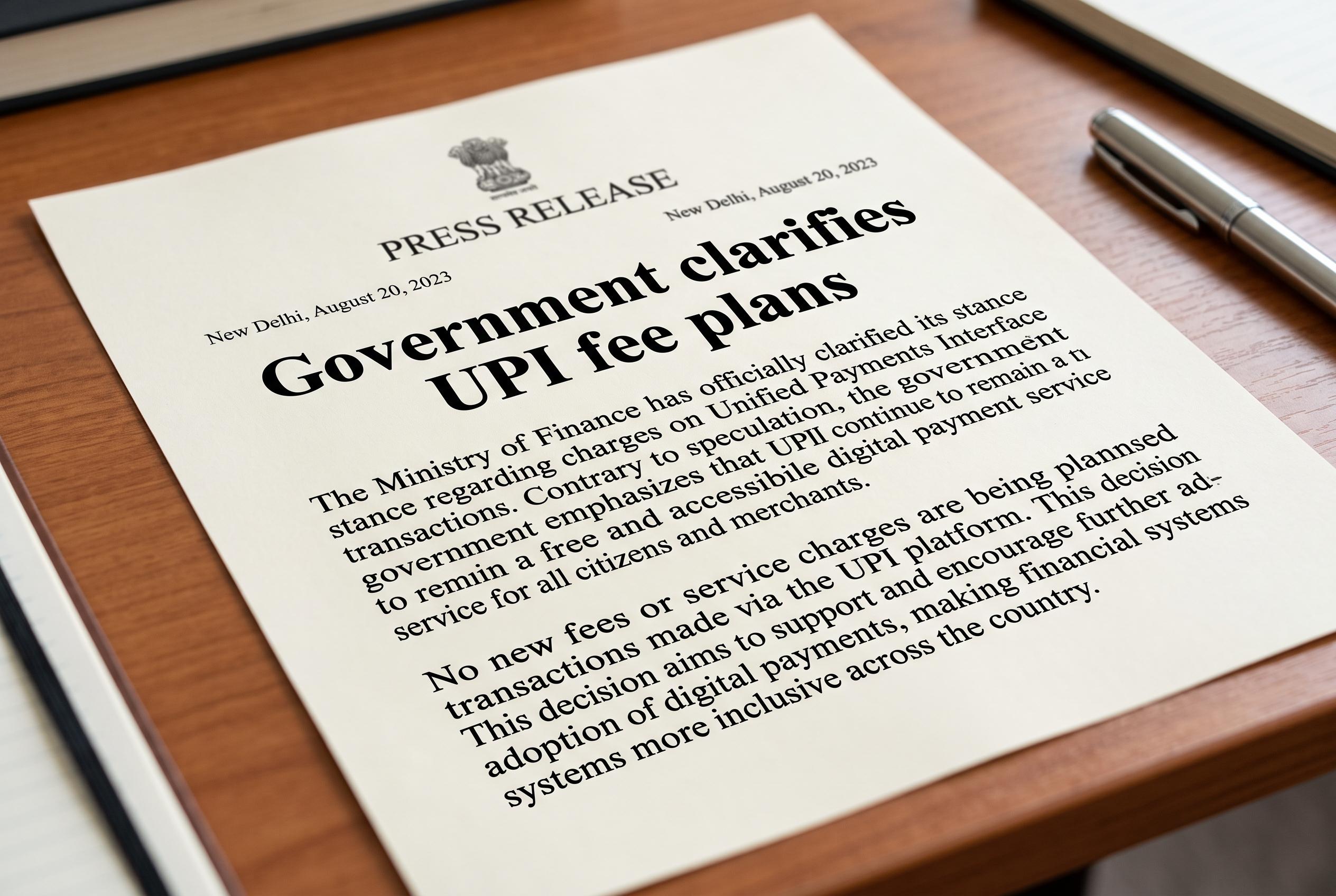

Finance Minister Nirmala Sitharaman defends proposed changes to Merchant Discount Rate, emphasising that the fee targets large merchants, not end-users, as opposition raises concerns over potential for increased costs.
Finance Minister Nirmala Sitharaman has moved to counter opposition claims that the government is preparing to make UPI payments more expensive, saying the Merchant Discount Rate applies to merchants, not customers, and that no final decision has been taken on any levy.
In a post on X on Wednesday, Sitharaman said the fee would support banks and fintech firms in spending more on infrastructure, innovation and security. She also said the UPI and Services Steering Committee, chaired by the National Payments Corporation of India, has not yet decided on any MDR framework, with any move depending on the passage of the Taxation and Other Laws (Amendment) Bill, 2026.
Her response came after Congress leader Jairam Ramesh alleged that the proposed amendment would strip away the legal protection that kept UPI free and could eventually shift the burden on to ordinary users. He also argued that the Reserve Bank of India had sufficient resources to support the payments system, citing the central bank’s large surplus transfer to the government in 2025-26.
According to government sources cited by Business Today, the proposal is not aimed at individual users or small merchants. The discussions are understood to focus on large merchants, including major e-commerce players and businesses above a set annual turnover threshold, while small transactions and person-to-person UPI payments are expected to remain outside the plan. The sources said the amendment would restore the legal power to levy MDR by removing the existing prohibition, with the rate, threshold and rollout to be settled later after consultations.
MDR is the fee charged to merchants by banks, payment providers and other intermediaries for processing digital payments. Industry explainers from payments firms say it is usually shared across the acquiring bank, issuing bank and payment network, and is generally borne by the merchant rather than the customer at the point of sale.
Disclaimer: This article is intended to inform and educate, not to recommend or endorse any financial product, investment or strategy. Please consider your own financial circumstances and seek professional advice where appropriate before making financial decisions.