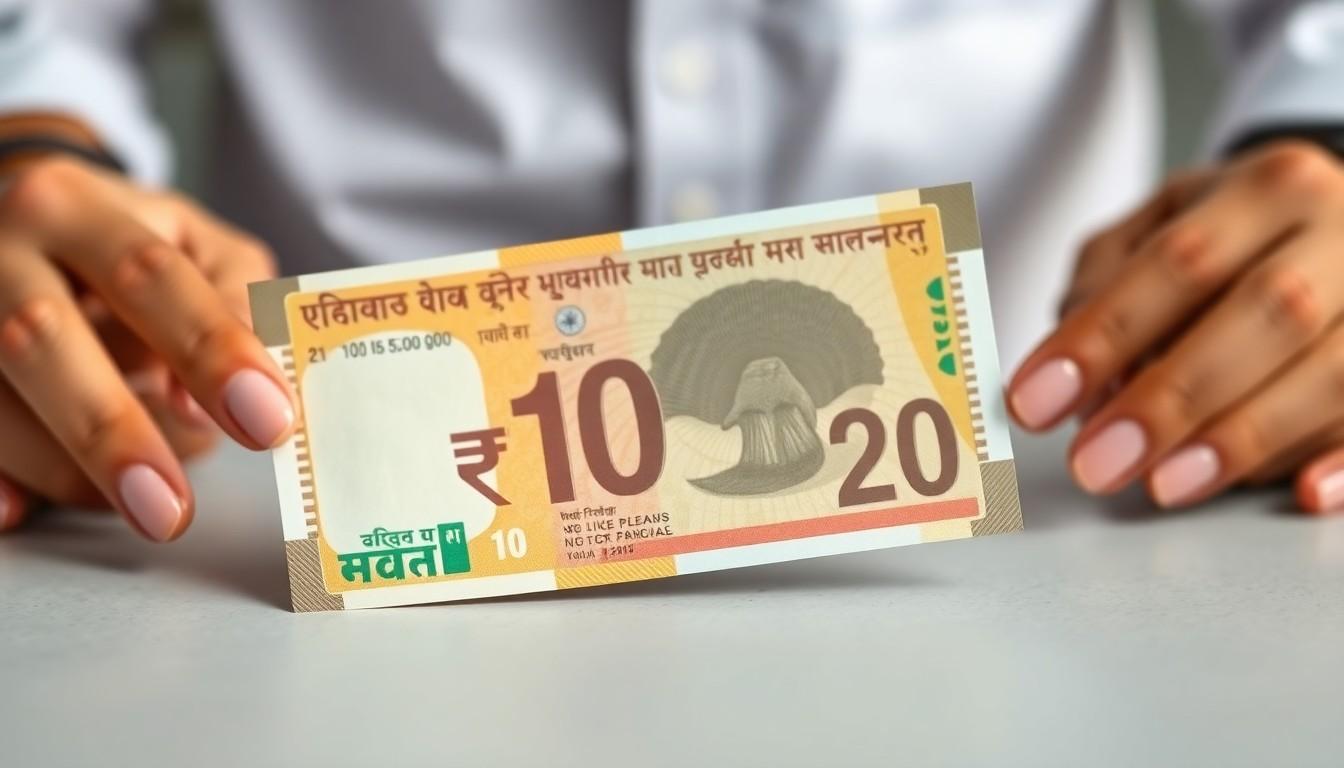

India’s Reserve Bank is set to trial polymer banknotes for ₹10 and ₹20 denominations, aiming to enhance durability and security while maintaining existing paper currency, despite growing digital payments.
India’s central bank is moving ahead with a pilot programme for polymer ₹10 and ₹20 banknotes, reviving a long-discussed idea aimed at making cash more durable and harder to counterfeit. According to reporting by Mint, the Reserve Bank of India has been considering plastic-based notes for years, but the latest push appears to have gained momentum as the authority looks for ways to reduce the cost of replacing soiled paper currency.
The plan is centred on the smallest and most heavily used denominations, which wear out quickly in daily circulation. The Week reported that the Reserve Bank’s currency-printing arm, Bharatiya Reserve Bank Note Mudran Pvt Ltd, recently issued a global expression of interest for a security-grade polymer substrate manufacturing facility, a step that suggests the bank is preparing the supply chain needed for trial production.
Polymer notes are not ordinary plastic sheets, but banknotes made from a thin flexible substrate designed to resist dirt, moisture and tearing more effectively than cotton-based paper notes. The Financial Express said such notes can also carry more advanced anti-counterfeit features, including clearer security elements and improved tactile markers, which could make them easier to verify and more difficult to fake.
The government has reportedly cleared field trials, and one report said the pilot could involve 1 billion notes each of ₹10 and ₹20. Importantly, the programme is being framed as an addition to the existing currency system rather than a replacement for it. Officials quoted in the coverage said paper notes would continue to circulate alongside polymer ones during the trial, allowing the RBI to assess durability, public acceptance, production costs and the performance of cash-handling machines such as ATMs and vending systems.
The move comes as digital payments continue to grow, but cash remains essential across India, especially for low-value purchases and in areas where card or smartphone payments are less common. Supporters of the pilot argue that longer-lasting notes could lower printing and replacement expenses over time, while also improving the cleanliness and security of everyday cash. Even so, the initiative is still at an early stage, and no nationwide rollout date has been announced.
Disclaimer: This article is intended to inform and educate, not to recommend or endorse any financial product, investment or strategy. Please consider your own financial circumstances and seek professional advice where appropriate before making financial decisions.