

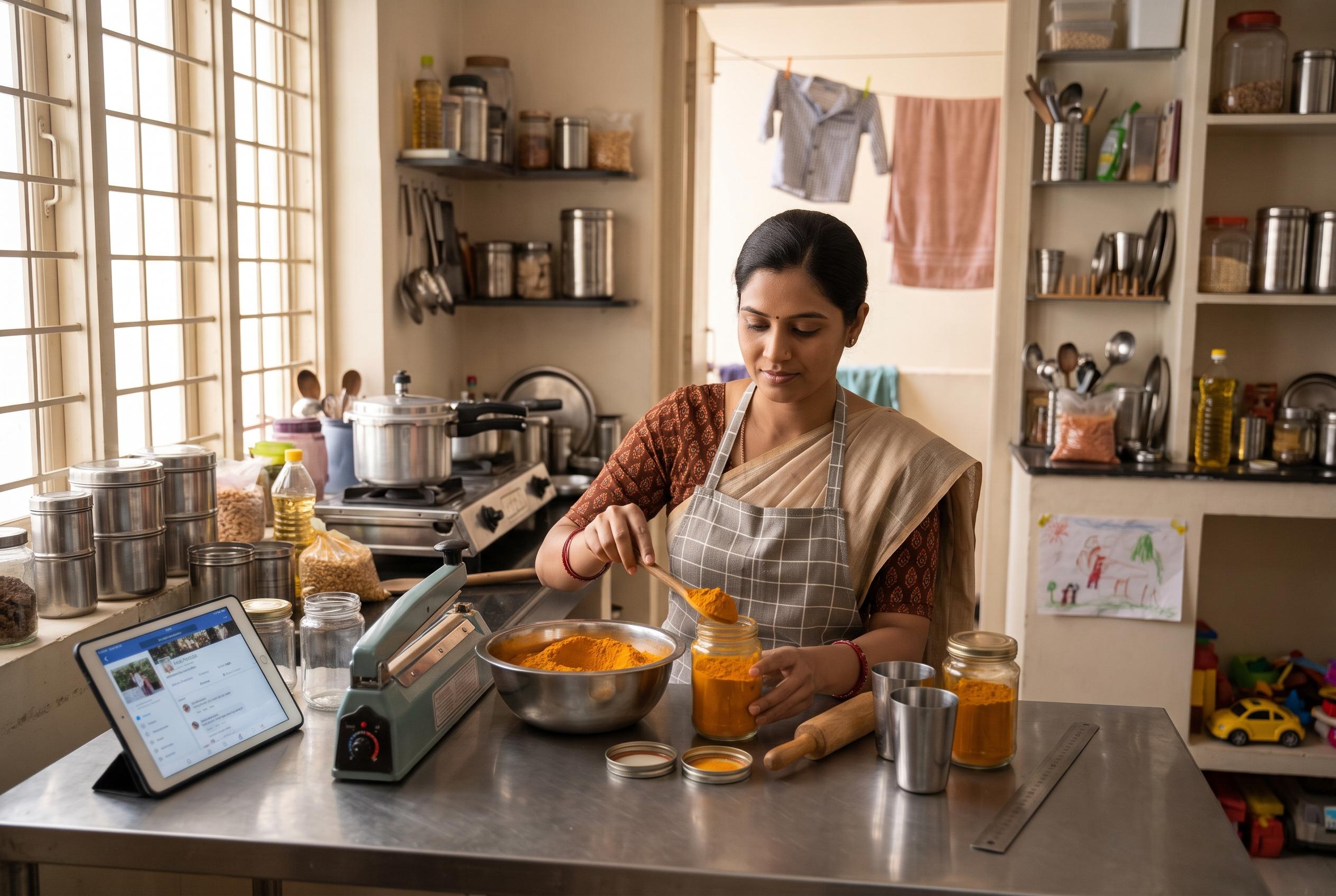

Women’s workforce numbers rose to 201 million in 2025, but ICRIER finds that much of the growth was in low-paid, self-employed and unpaid work, while domestic care responsibilities remain heavily unequal.
India’s female workforce has expanded sharply, but a new ICRIER study suggests the gains have come with little improvement in the quality of work. The think tank says the number of women in the workforce rose to 201 million in 2025 from 104 million in 2017-18, yet much of that increase was concentrated in agriculture, self-employment and unpaid family labour rather than in regular salaried jobs. The report, The Participation Paradox: Women’s Work and Time-Use in India, 2017-18 to 2025, argues that higher participation has not translated into better earnings, greater security or a lighter domestic workload.
The study, which uses Periodic Labour Force Survey data for 2017-18 and 2025 alongside India’s Time Use Survey for 2019 and 2024, finds that the female worker population ratio climbed to 38% in 2025 from 22% in 2017-18. The increase was far stronger in rural India, where the rate rose to 44.9% from 23.7%, than in urban areas, where it moved up to 25.9% from 18.2%. ICRIER says that pattern reflects a mix of distress-driven work and some expansion in rural opportunities, including better connectivity, allied activities and government programmes such as Deendayal Antyodaya Yojana-National Rural Livelihoods Mission and MGNREGA.
Behind the headline rise, the report says the structure of women’s employment has shifted towards lower-paid and less secure forms of work. In rural areas, the share of women employed in primary-sector activities increased to 73.3% in 2025 from 70.7% in 2017-18, while the number of women engaged in crop and animal production more than doubled to more than 100 million. Women working on their own account in rural India rose to 56 million from 13.9 million, and unpaid family workers increased to 49.3 million from 28.8 million. Regular salaried work did grow, but far more slowly, and its share of female employment fell.
The same pattern is visible in towns and cities. The number of urban women working on their own account increased to 13.8 million from 6.9 million, while unpaid family labour rose to 6 million from 3.3 million. Regular salaried jobs still accounted for just over half of urban women’s employment, but their share slipped slightly over the period. ICRIER’s broader conclusion is that the rise in female employment has been accompanied by weaker job quality, not stronger labour-market security.
The earnings data reinforce that point. According to the report, rural women earned an average monthly wage of Rs 6,596 in 2025, compared with Rs 14,632 for rural men, meaning women earned about 45% of male pay. That is down from roughly 53% in 2017-18, and the absolute monthly gap widened to more than Rs 8,000. In urban areas, women earned Rs 15,646 a month versus Rs 25,565 for men. The report also found that rural women’s average weekly working hours fell to 34 from 40, even as participation rose, suggesting that more women are working, but not necessarily for longer, steadier or better-paid hours.
Domestic responsibilities remain a major barrier. ICRIER says 60% of women outside the labour force in 2025 cited childcare and household duties as their main reason for not working, compared with about 1% of men. Time Use Survey data show that women spent about 320 minutes a day on unpaid domestic work, versus 97 minutes for men, and 144 minutes on unpaid care work, compared with 81 minutes for men. The report’s message is that India’s labour-market challenge is no longer only about bringing more women into work, but about ensuring that work is secure, fairly paid and supported by a more equal sharing of unpaid care at home.
Disclaimer: This article is intended to inform and educate, not to recommend or endorse any financial product, investment or strategy. Please consider your own financial circumstances and seek professional advice where appropriate before making financial decisions.



