

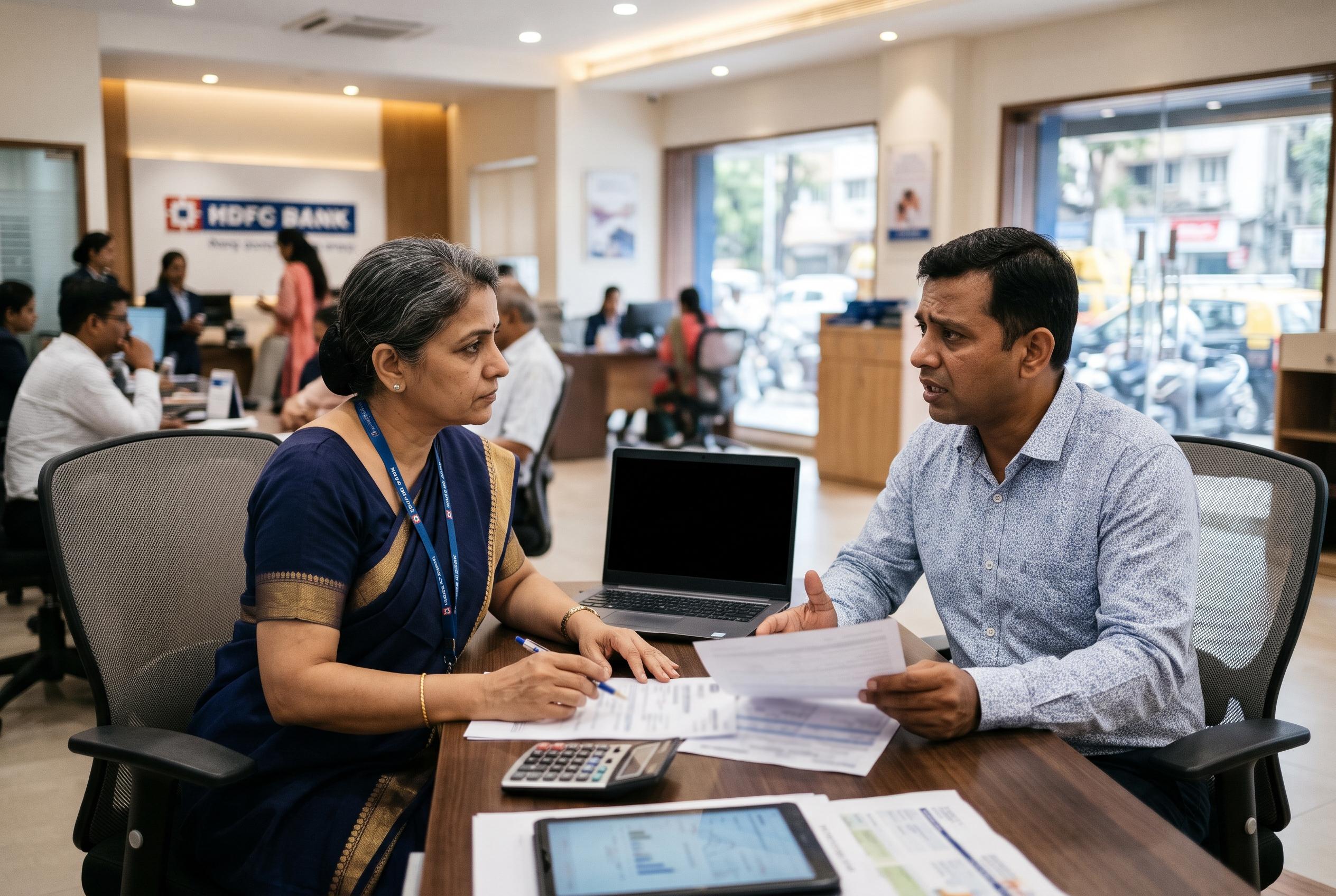

Banks in India could be required to compensate victims of digital arrest scams and other online fraud when failures in due diligence help criminals steal funds, while the Reserve Bank of India has been ordered to develop common safeguards.
India’s Supreme Court has said banks can be held liable for losses suffered by customers in digital fraud cases when the institution’s own failure to exercise due diligence helped enable the scam, in a ruling that strengthens pressure on lenders to tighten cyber safeguards.
According to reports in The Economic Times, the court said victims of schemes such as “digital arrest” fraud should be compensated, at least up to the amount lost, when an inquiry shows that a bank lapse contributed to the theft. The judges underlined that financial institutions have a duty to protect customers, not merely process transactions.
The bench also pressed the Reserve Bank of India to draw up a uniform standard operating procedure for banks within four weeks, covering mule accounts, money laundering and accounts linked to cyber fraud. The proposed rules are meant to give lenders a common framework for dealing with suspicious activity across the country.
As part of the preventive measures discussed by the court, unusual transactions that depart from a customer’s normal pattern could be temporarily frozen, while suspicious activity would be reported automatically. The court also said physical verification should be used where necessary to confirm whether a transaction is genuine, an approach intended to stop criminals from moving stolen funds before they can be traced.
The ruling adds judicial weight to growing concern over “digital arrest” scams, in which fraudsters pose as law-enforcement officers or officials and pressure victims into transferring money. The Indian Express described the Supreme Court’s remarks as a sharp rebuke to the central bank, saying the judges accused the RBI of moving too slowly on the issue, while stressing that the scale of the fraud has become a major economic problem.
Disclaimer: This article is intended to inform and educate, not to recommend or endorse any financial product, investment or strategy. Please consider your own financial circumstances and seek professional advice where appropriate before making financial decisions.



