


Missing paperwork, billing discrepancies and policy exclusions can lead to hospitalisation claims being refused, but policyholders may still seek a review if they act promptly.
If a health insurer turns down a hospitalisation claim, the immediate instinct may be to assume the decision is final. In practice, it often is not. According to NDTV Profit, a rejection can stem from something as simple as a missing form, an inconsistency between medical records and bills, or a missed deadline, and policyholders may still be able to challenge the decision if they act quickly and keep their paperwork in order.
The first step is to read the rejection letter carefully and identify the exact reason given. Industry guides on claim refusals in India repeatedly point to a familiar list of triggers: incomplete documentation, non-disclosure of pre-existing conditions, treatment that falls outside the policy, waiting-period breaches, room-rent caps, sub-limits and procedural lapses. Star Health says policyholders should treat the insurer’s explanation as the starting point, because the best response depends on whether the problem is administrative, medical or contractual.
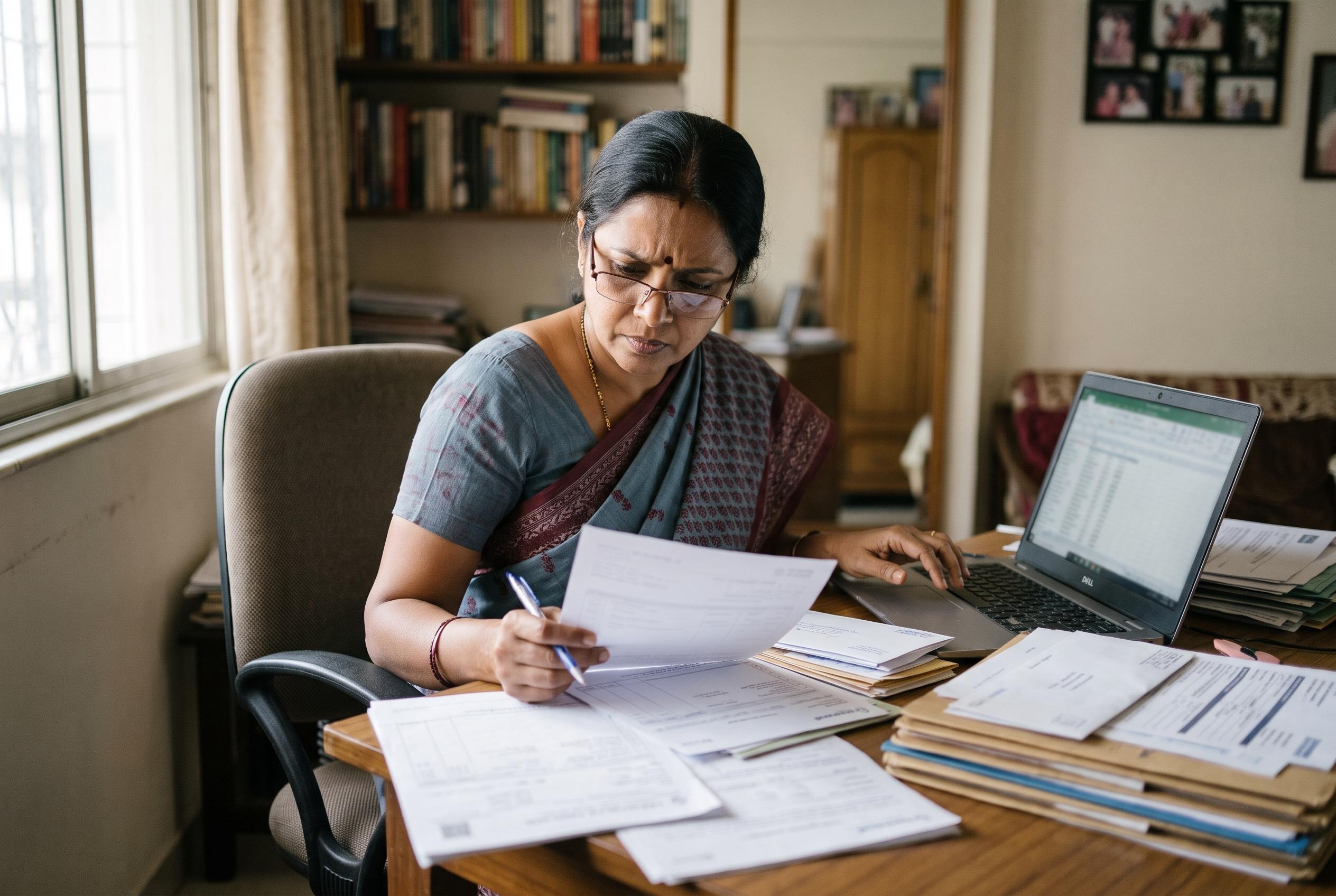
Having the right documents ready can make a significant difference. NDTV Profit said useful records include hospital bills and payment receipts, the discharge summary, doctors’ prescriptions, investigation reports, the policy document, the health card, the claim form and the rejection letter itself. When a hospital bill mentions a procedure but the discharge papers do not explain why it was necessary, insurers may ask for more evidence before reconsidering the claim, which makes a complete paper trail especially important.
Deadlines matter just as much as documents. Policy wording and rejection letters can set time limits for submitting missing material, seeking a review or filing a grievance, and those windows should not be ignored. If the dispute is unresolved, Indian policyholders can escalate the matter to the insurer’s grievance redressal officer and, where eligible, to the Insurance Ombudsman. Several claims specialists, including Medilock and Ditto, say the safest approach is to respond promptly, keep written proof of every submission and address the specific reason for refusal rather than assuming the case is closed.
Disclaimer: This article is intended to inform and educate, not to recommend or endorse any financial product, investment or strategy. Please consider your own financial circumstances and seek professional advice where appropriate before making financial decisions.



